Animal
Zoo: A Complete Guide to Animals, Wildlife Conservation, Education, and Family Visits in 2026

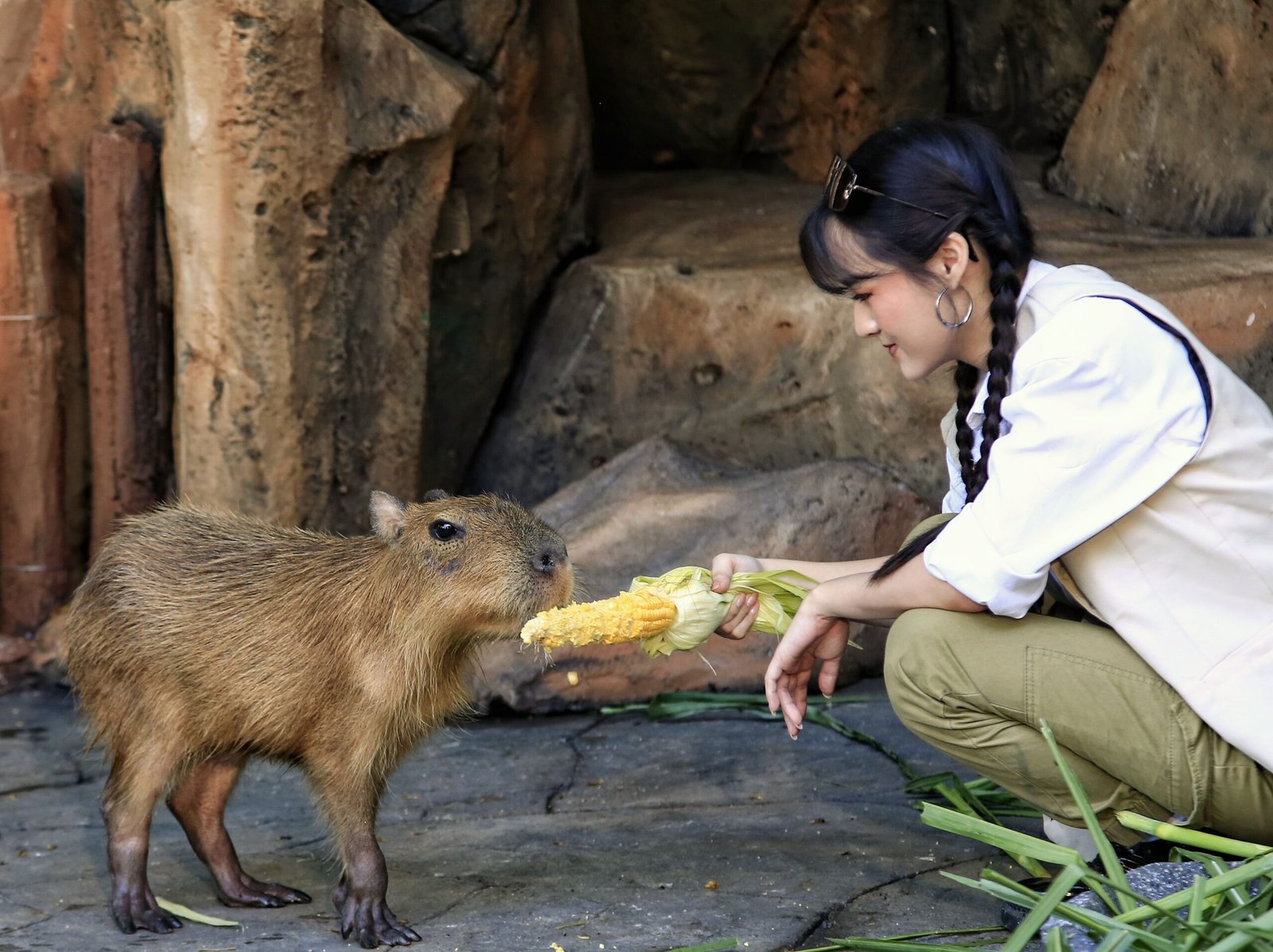
A zoo is a place where people can observe and learn about wild animals, birds, reptiles, and other fascinating species in managed environments. Modern zoos can serve several purposes, including wildlife conservation, scientific research, animal care, environmental education, and recreation. For families, students, tourists, and nature enthusiasts, visiting a zoo provides an opportunity to discover the diversity of the animal kingdom while learning why protecting wildlife matters.
In 2026, the role of a zoo extends beyond displaying animals for public entertainment. Responsible zoological institutions increasingly focus on animal welfare, conservation programs, veterinary care, educational activities, and efforts to protect threatened species. Visitors can learn about animal behavior, natural habitats, food chains, biodiversity, and the environmental challenges that affect wildlife around the world.
A successful zoo visit combines curiosity with respect for animals. By understanding how zoos operate, what visitors can experience, and how conservation programs work, we can make every visit more informative and meaningful.
What Is a Zoo and How Does It Work?
A zoo, also known as a zoological garden, is an institution that houses and cares for animals in designated environments for purposes that may include education, conservation, research, and public engagement. Depending on the institution, its animal collection may include mammals, birds, reptiles, amphibians, fish, and invertebrates.
Zoos vary considerably in size, design, and mission. Some are large zoological parks with extensive outdoor habitats, walking trails, educational centers, and specialized animal-care facilities. Others focus on particular groups of animals or emphasize research, rescue, rehabilitation, or conservation education.
Behind the exhibits, professional teams help keep the institution operating. Zookeepers prepare diets, monitor behavior, maintain habitats, and provide daily care. Veterinarians and veterinary technicians support animal health through examinations, preventive care, diagnosis, and treatment. Educators develop learning programs, while conservation specialists may participate in research and wildlife protection initiatives.
Modern animal habitats should be designed around the needs of each species rather than visitor convenience alone. Factors such as temperature, humidity, shelter, vegetation, climbing structures, water access, and opportunities for natural behavior can be important to an animal’s physical and psychological well-being.
Responsible zoos also recognize that animals need opportunities to retreat from public view. An animal resting in a quiet area is not necessarily being neglected; access to privacy and choice can be an important part of appropriate care.
Popular Animals and Attractions Found in Zoos
One of the biggest attractions of a zoo is the opportunity to observe animals that many people would otherwise encounter only in documentaries, books, or photographs. The species available depend on the institution, its resources, its conservation priorities, and the environmental conditions required for each animal.
Mammals often attract considerable attention. Lions, tigers, giraffes, zebras, elephants, primates, bears, and red pandas are examples of animals that may be found in some zoological collections. Observing them can help visitors understand differences in body structure, social behavior, feeding patterns, and adaptations to their environments.
Birds add another dimension to the zoo experience. Parrots, flamingos, owls, eagles, and other species can demonstrate the diversity of flight, communication, nesting, and feeding strategies. Aviaries and carefully designed bird habitats may also help visitors appreciate the importance of wetlands, forests, grasslands, and other ecosystems.
Reptiles and amphibians, including snakes, turtles, crocodilians, frogs, and lizards, introduce visitors to animals with distinctive biological adaptations. Educational displays can explain temperature regulation, camouflage, life cycles, and the ecological importance of species that are sometimes misunderstood or feared.
Some zoos also feature aquariums, butterfly gardens, insect exhibits, native wildlife areas, or immersive habitats that recreate selected environmental conditions.
When visiting, we should remember that not every animal will be visible at every moment. Animals follow their own activity patterns, and some naturally spend considerable time resting or sheltering. Respectful observation is more valuable than expecting every animal to perform for an audience.
Wildlife Conservation and the Importance of Modern Zoos
Wildlife conservation is one of the most important responsibilities associated with modern zoological institutions. Many species face serious threats from habitat destruction, illegal wildlife trade, pollution, climate change, invasive species, and human-wildlife conflict. Conservation initiatives aim to address these challenges and help protect biodiversity for future generations.
Some zoos participate in coordinated breeding and population-management programs for threatened species. When carefully planned and supported by scientific expertise, these programs can help maintain healthy populations, preserve genetic diversity, and contribute to wider conservation strategies. However, breeding animals in captivity does not automatically mean they can be released into the wild. Successful reintroduction requires suitable habitat, appropriate ecological conditions, and long-term planning.
Zoos may also support field conservation projects that protect animals in their natural environments. These activities can include habitat restoration, wildlife monitoring, scientific research, cooperation with local communities, and funding for conservation organizations. Such work is particularly important because protecting animals in the wild requires safeguarding the ecosystems on which they depend.
Education is another essential part of conservation. When visitors learn about an endangered species, its habitat, and the threats it faces, they gain a clearer understanding of how everyday choices can affect the natural world. Reducing unnecessary waste, avoiding products linked to illegal wildlife trade, supporting responsible conservation organizations, and protecting local habitats are examples of actions that can contribute to environmental protection.
In 2026, visitors can look for zoos that explain their conservation work clearly and provide evidence of meaningful activities. Information about research partnerships, species-management programs, animal welfare standards, and conservation outcomes can help us understand how an institution contributes beyond its public exhibits.
Animal Welfare, Safety, and Responsible Zoo Management
Animal welfare should remain central to every responsible zoo. Providing food and shelter is only part of appropriate animal care. Animals also need suitable environments, veterinary attention, opportunities to express natural behaviors, and protection from avoidable stress.
A well-managed zoo considers the specific needs of every species. A climbing animal may need elevated structures, while an aquatic species may require carefully maintained water conditions. Animals that naturally forage, explore, hunt, dig, or solve problems may benefit from environmental enrichment that encourages these behaviors in appropriate ways.
Enrichment can include changing the placement of objects, introducing scent-based activities, providing puzzle feeders, varying feeding methods, or creating opportunities to explore different parts of a habitat. These activities should be designed by trained professionals and evaluated to ensure that they support animal well-being.
Visitors also have an important role in maintaining safe and respectful conditions. We should follow posted instructions, remain behind barriers, avoid loud or threatening behavior, and never attempt to touch or feed animals unless an authorized activity specifically permits it under professional supervision. Throwing objects into enclosures or encouraging animals to approach barriers can create unnecessary risks.
Responsible management also involves staff training, veterinary planning, secure barriers, emergency procedures, and clear communication with visitors. The World Association of Zoos and Aquariums emphasizes that animal-visitor interactions must account for the welfare of the animals involved, not just the entertainment or educational value for people.
We should evaluate a zoo by how thoughtfully it cares for its animals, how transparently it communicates its practices, and whether its activities support credible educational and conservation goals.
Educational Benefits of Visiting a Zoo
A zoo can be a valuable learning environment for children, students, teachers, and adults. Seeing animals in person often makes biological concepts easier to understand because visitors can observe physical characteristics, movement, feeding behaviors, and interactions with the environment.
For children, a zoo visit can encourage curiosity about nature and introduce important concepts such as biodiversity, food chains, adaptation, habitats, and endangered species. Parents can strengthen the experience by asking questions, reading exhibit information together, and discussing how different animals survive in their natural environments.
Teachers can use zoo visits to support lessons in biology, geography, environmental science, and animal behavior. Guided tours, educational workshops, demonstrations, and structured observation activities can help students connect classroom learning with real-world examples.
Zoos may also offer internships, volunteering opportunities, research experiences, and conservation-awareness programs. For example, Lahore Zoo’s official education program describes guided tours, research opportunities, enrichment programs, and activities intended to raise awareness about wildlife and conservation.
Modern educational programs can go beyond simply identifying species. Visitors can learn how veterinarians assess health, how keepers develop animal diets, why habitat complexity matters, and how scientists study behavior. Some institutions also invite visitors to participate in citizen-science activities, where observations contribute to educational projects or research. A 2026 study published in Discover Animals explored how zoo visitors could participate in animal-welfare observations, highlighting the potential of these activities to support learning and public engagement.
By asking thoughtful questions and reading educational signs, we can turn a casual outing into a deeper understanding of wildlife and the challenges facing the natural world.
How to Plan an Enjoyable Zoo Visit in 2026
Planning ahead can make a zoo visit more comfortable, especially when traveling with children, older adults, or a large group. Before leaving home, we should check the zoo’s official website for opening hours, admission prices, ticket requirements, special events, accessibility information, and visitor rules. Prices and schedules can change, so current information is more reliable than older travel articles.
Arriving early may provide more time to explore the grounds and observe animals during their active periods. However, animal behavior varies by species, weather, season, and individual circumstances. A flexible schedule is preferable to assuming every animal will be active at a particular hour.
We should wear comfortable walking shoes, dress according to the weather, and bring drinking water where permitted. Sunscreen, hats, and rain protection may also be useful. Families with young children can plan rest breaks and identify toilets, food facilities, shaded seating, and accessible routes before beginning the tour.
A simple checklist can help us prepare:
Check the zoo’s official website and current visitor information.
Review ticket prices, opening hours, and any age restrictions.
Read animal-viewing, photography, and feeding policies.
Plan a manageable walking route with time for breaks.
Bring permitted essentials and dispose of waste responsibly.
Respect barriers, staff instructions, and the animals’ need for quiet spaces.
Most importantly, we should approach the visit with patience and respect. A meaningful zoo experience is not measured by how many animals we see, but by what we learn and how thoughtfully we engage with the natural world.
Frequently Asked Questions About Zoos
What is the main purpose of a zoo?
A zoo may serve several purposes, including animal care, wildlife conservation, education, scientific research, and public engagement. The specific responsibilities vary between institutions.
Are zoos beneficial for endangered animals?
Some zoos support endangered species through coordinated breeding programs, research, conservation funding, and habitat-protection partnerships. Their contribution depends on the quality and measurable outcomes of their work.
What can children learn from visiting a zoo?
Children can learn about animal species, habitats, food chains, biodiversity, adaptations, and environmental protection. Guided tours and educational activities can make these subjects more engaging.
What should visitors avoid doing at a zoo?
Visitors should never cross barriers, tease animals, throw objects into enclosures, or feed wildlife without authorization. Following zoo rules helps protect both animals and people.
How can we choose a responsible zoo?
Look for clear animal-welfare policies, appropriate habitats, qualified animal-care professionals, educational programs, transparent conservation activities, and credible evidence of responsible management.
Conclusion
A zoo is more than a place to observe animals. When responsibly managed, it can support wildlife conservation, scientific research, environmental education, and public appreciation of biodiversity. From large mammals and colorful birds to reptiles and lesser-known species, zoo exhibits offer opportunities to discover the remarkable variety of life on Earth.
In 2026, the most meaningful zoo experiences combine enjoyment with an understanding of animal welfare, conservation responsibility, and respect for nature. By preparing for our visit, following safety guidelines, exploring educational displays, and supporting credible conservation efforts, we can make each outing more rewarding.
Ultimately, the value of a zoo should be reflected not only in the animals it houses but also in the quality of its care, its contribution to conservation, and its ability to inspire people to protect wildlife and natural habitats for generations to come.


Frances Tiafoe: Biography, Age, Ranking, Tennis Career, Achievements, and Personal Life (2026)

Doeda: Meaning, Website Overview, Features, and Online Safety Guide (2026)

Facebook Marketplace Boise 2026: Buy and Sell Locally

MyGreenBucks Net Jones: Latest News, Financial Insights, Features, and Everything You Need to Know

Who Is Martie Allen? Everything About Kristy McNichol’s Partner

Pyntekvister: A Complete Guide to Decorative Branches, Creative Home Décor Ideas, and Natural Interior Styling
 Business3 months ago
MyGreenBucks Net Jones: Latest News, Financial Insights, Features, and Everything You Need to Know
- Celebrity4 months ago
Who Is Martie Allen? Everything About Kristy McNichol’s Partner
- Home Improvement4 months ago
Pyntekvister: A Complete Guide to Decorative Branches, Creative Home Décor Ideas, and Natural Interior Styling
- Business3 months ago
TTweakFlight Discount Code from TravelTweaks: Complete Guide to Saving More on Flights and Travel Deals
- Celebrity4 months ago
Who Is David Sanov? All About Alison Sweeney’s Husband
- Celebrity3 months ago
Jocelyne Desrouleaux: A Comprehensive Biography, Career, Legacy, and Lasting Influence
- Blog3 months ago
About ThriftyEvents.net: The Complete 2026 Guide to Budget Event Planning, AI-Powered Content Creation, and Digital Innovation
- Blog3 months ago
Forest or Forrest? Understanding the Difference, Correct Spelling, Meaning, and Usage (2026 Guide)