
Sports
Pickleball Rules: A Complete Guide for Beginners in 2026


Understanding pickleball rules is essential for anyone who wants to enjoy this fast-growing paddle sport, whether playing casually with friends or competing in organized tournaments. Pickleball combines elements of tennis, badminton, and table tennis, using solid paddles, a perforated plastic ball, and a court divided by a net. Although the game is easy to learn, several important rules determine how players serve, return the ball, score points, and avoid faults.
For beginners, the most confusing parts are often the two-bounce rule, the non-volley zone, and the difference between singles and doubles scoring. Once we understand these basics, it becomes much easier to follow rallies and play confidently.
This guide explains the main pickleball rules for 2026, including court dimensions, serving requirements, scoring, faults, kitchen violations, and practical tips for new players. Rules can vary slightly between recreational play and organized competitions, so tournament players should also consult the current official rulebook used by their governing organization.
What Is Pickleball and How Is It Played?
Pickleball is a paddle sport played as singles, with one player on each side, or doubles, with two players on each side. Players hit a lightweight, perforated ball over a net, trying to make it difficult for the opposing team to return it legally.
A standard pickleball court measures 20 feet wide by 44 feet long for both singles and doubles. The net divides the court into two sides, and each side contains right and left service courts. Near the net is a seven-foot-deep area on each side called the non-volley zone, commonly known as the kitchen.
Players use paddles rather than strung racquets. The ball can travel quickly, but rallies also involve controlled shots, placement, and strategy. Players often use soft shots called dinks to land the ball in the kitchen and force opponents to move forward.
The objective is to win rallies by hitting a legal shot that the opposing player or team cannot return, or by benefiting from an opponent’s fault. In traditional pickleball scoring, only the serving side can score a point.
Pickleball Serving Rules
The serve begins every rally, and players must follow specific requirements to make it legal. Under traditional serving rules, the server stands behind the baseline and serves diagonally into the opponent’s service court.
Key serving rules include:
Serve diagonally: The ball must land in the diagonally opposite service court, beyond the kitchen line.
Stay behind the baseline: At the moment the ball is served, the server must follow the applicable baseline and positioning requirements.
Use a legal serving motion: Traditional volley serves require an underhand or upward-arc motion, with the paddle contacting the ball below the waist under the applicable rulebook.
Avoid the kitchen: A serve that lands in the non-volley zone, including its boundary line, is a fault.
Keep the ball in bounds: A serve landing outside the correct service court is not legal.
Many recreational players also use a drop serve, in which the ball is dropped and allowed to bounce before being struck. This is a separate serving option with its own requirements.
In doubles, each team generally has two serving turns per service sequence, one for each partner, except at the beginning of the game, when the starting sequence uses a special first-server rule. Server positions and service order matter, so players should learn the rotation before competitive play. Always check the current governing rulebook for the precise serving technique and fault requirements.
The Two-Bounce Rule in Pickleball
The two-bounce rule is one of the most important pickleball rules because it prevents either team from immediately attacking the ball out of the air after the serve.
The rule works as follows:
The receiving team must allow the serve to bounce once before returning it.
The serving team must then allow the return to bounce once before hitting it.
After these two required bounces, both teams may hit the ball before it bounces or play it after a bounce.
For example, if we serve the ball and our opponent returns it after one bounce, we cannot immediately volley their return. We must allow it to bounce on our side first. After that, the rally continues under the usual rules.
This requirement encourages longer rallies and gives both teams an opportunity to establish their position on the court. Once the two required bounces have occurred, players can use volleys, groundstrokes, dinks, and other legal shots.
Remember that the rule does not mean the ball must bounce twice on every shot. It applies to the serve and the return of serve. During the rest of the rally, a player must return the ball before it bounces twice on their side.
The Kitchen Rule and Common Pickleball Faults
The kitchen, officially called the non-volley zone, is the seven-foot area extending from the net on each side of the court. It is one of the features that makes pickleball different from many other paddle sports.
Players may enter the kitchen at any time, but they cannot volley the ball while standing in the kitchen. A volley occurs when a player hits the ball before it bounces.
The rule also applies when momentum carries a player into the kitchen after a volley. For example, if we hit a volley from outside the kitchen but our forward movement causes us to step onto the kitchen line afterward, we commit a fault. The kitchen line is part of the non-volley zone.
However, if the ball bounces inside the kitchen, we may step into the zone and hit it after the bounce. This is why soft shots called dinks are useful: they land in the kitchen and make opponents move forward to return them.
Other common pickleball faults include:
Hitting the ball into the net without sending it across.
Hitting a ball that lands out of bounds.
Allowing the ball to bounce twice before returning it.
Violating a serving requirement.
Touching the net or net post while the ball is in play.
Volleying from the kitchen or being carried into it by the momentum of a volley.
A fault ends the rally. Under traditional scoring, a receiving team’s fault gives the serving team a point, while a serving team’s fault generally results in a loss of serve.
Pickleball Scoring Rules for Singles and Doubles
In traditional pickleball scoring, only the serving side can score points. Games are commonly played to 11 points, and a player or team must win by at least two points. Some tournaments use different formats, so players should check the event rules.
In singles, each player serves from the right service court when their score is even and from the left when their score is odd. The server continues serving until committing a fault, after which the opponent takes over the serve.
In doubles, each team has two players and usually receives two service turns per service sequence, one for each partner. When the first server loses the rally, the second partner serves. Once that partner loses a rally, the serve passes to the opposing team. At the start of a game, a special starting rule means the first serving team begins with only one server before the side-out.
Doubles scores are traditionally announced using three numbers: the serving team’s score, the receiving team’s score, and the server number. For example, “4-3-2” means the serving team has four points, the receiving team has three, and the second server is serving.
Some formats use rally scoring, in which the winner of every rally earns a point regardless of who served. Because scoring formats can differ, we should confirm whether a recreational game or tournament uses traditional scoring or an approved alternative.
Tips for Beginners to Learn Pickleball Rules Quickly
New players do not need to memorize every rule before stepping onto the court. We can learn the fundamentals gradually by focusing on the most common situations.
First, practice serving diagonally and aiming beyond the kitchen line. Next, rehearse the two-bounce sequence until it becomes automatic. During rallies, pay attention to the kitchen line and avoid volleying while touching that zone.
It also helps to learn the court markings before a match begins. A ball that touches a boundary line is generally considered in, except when a serve lands on the kitchen line, which makes the serve a fault.
When playing doubles, communicate with your partner about who will return balls near the middle. Keep track of the score and serving order, and ask questions when an unfamiliar situation occurs. Respectful communication helps prevent disagreements and keeps recreational games enjoyable.
For organized play in 2026, consult the official USA Pickleball rules and rulebook, which includes current regulations and revisions.
Conclusion
Understanding pickleball rules helps us play more confidently, avoid unnecessary faults, and enjoy fairer rallies. The most important fundamentals include serving diagonally, following the two-bounce rule, respecting the kitchen restrictions, and understanding how scoring and service rotation work.
Whether we are playing singles or doubles, consistent practice makes these rules easier to remember. Start with the basics, communicate with other players, and check the current official rulebook when playing competitively. With these foundations in place, beginners can spend less time worrying about the rules and more time enjoying the game.
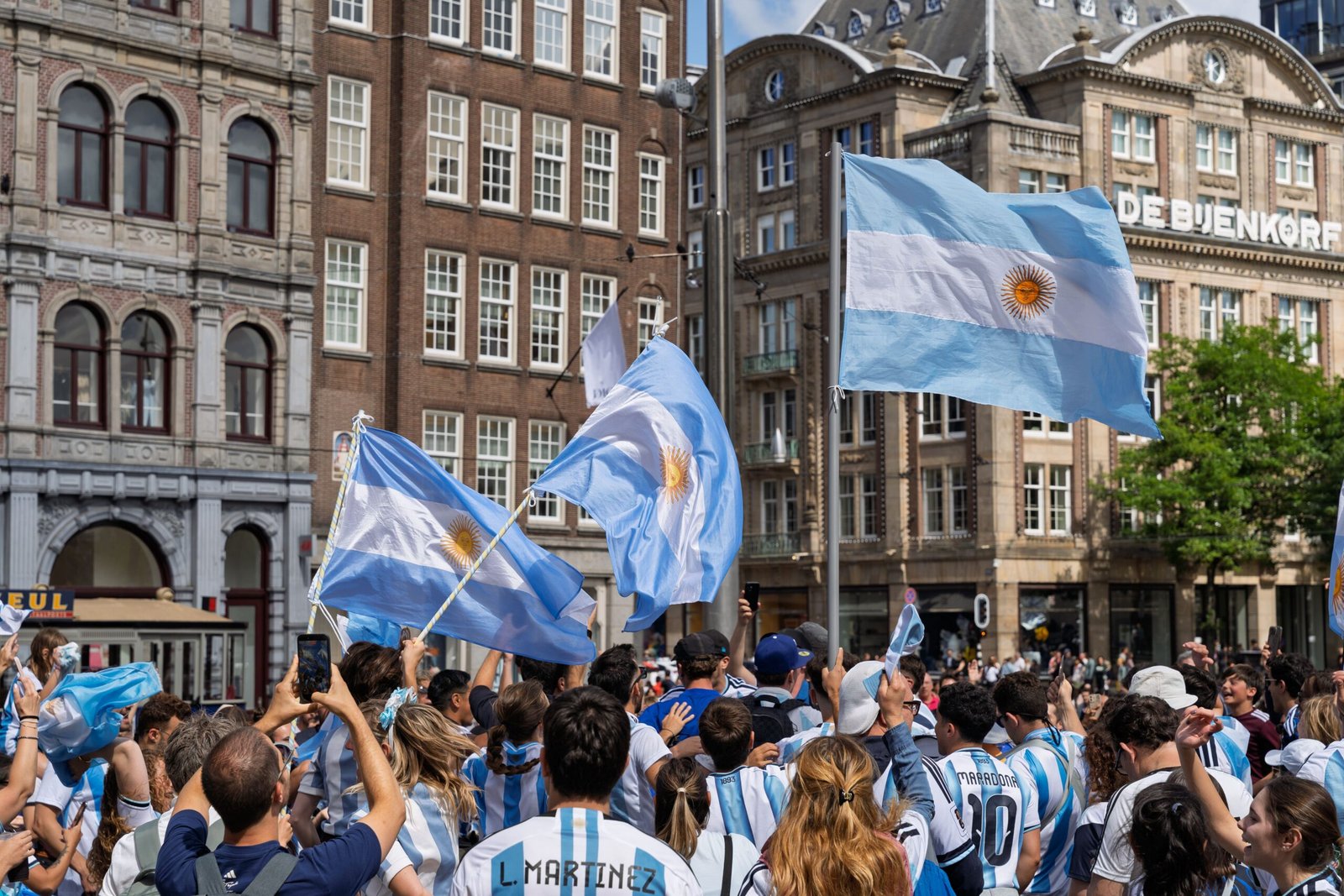
The Argentina national football team is one of the most celebrated teams in international football, renowned for its exceptional players, passionate supporters, attacking creativity, and remarkable tournament history. Representing Argentina in international competitions, the team is governed by the Argentine Football Association (AFA) and is widely known as La Albiceleste, a name inspired by its sky-blue and white national colors.
From the legendary performances of Diego Maradona to the extraordinary career of Lionel Messi, Argentina has produced generations of footballers who have influenced the global game. The national team has won three FIFA World Cup titles, claimed numerous South American championships, and developed a reputation for competing successfully on the biggest stages.
The year 2026 added another dramatic chapter to Argentina’s football story. After entering the FIFA World Cup as defending champions following their 2022 triumph in Qatar, Argentina reached the final but finished as runners-up after losing 1–0 to Spain after extra time. Despite missing the opportunity to retain the trophy, the team’s run demonstrated its continued ability to compete at the highest level.
This guide explores the Argentina national football team’s history, major trophies, famous players, playing style, coaching leadership, and performance in 2026.
History of the Argentina National Football Team
Argentina has a long football tradition dating back to the late nineteenth century. The Argentine Football Association was founded on February 21, 1893, helping establish the organized structure of the sport in the country. Argentina became an early member of FIFA in 1912 and developed into one of South America’s leading football nations.
The team’s traditional colors are sky blue and white vertical stripes, usually paired with dark shorts. These colors are a recognizable symbol of Argentine football and feature prominently in the national team’s identity.
Argentina’s international history includes periods of domestic dominance, intense South American rivalries, and memorable World Cup campaigns. The team reached the inaugural World Cup final in 1930 but lost to Uruguay. Its first world championship arrived in 1978, when Argentina won the tournament on home soil.
The 1986 World Cup in Mexico became another defining moment. Led by Diego Maradona, Argentina produced an outstanding campaign and defeated West Germany 3–2 in the final. Maradona’s performances made the tournament one of the most memorable in football history.
In 2022, Argentina won its third World Cup title in Qatar, defeating France on penalties after a dramatic 3–3 final. Lionel Messi captained the side, while goalkeeper Emiliano Martínez played a decisive role in the penalty shootout.
Argentina also won the 2021 and 2024 Copa América tournaments, ending a long wait for major senior international trophies and establishing a highly successful period under coach Lionel Scaloni.
Argentina National Football Team World Cup Titles and Major Achievements
Argentina’s success is reflected in its record across the FIFA World Cup and Copa América, two of international football’s most prestigious competitions.
1978 World Cup
Argentina won its first world championship on home soil, defeating the Netherlands 3–1 after extra time in the final.
1986 World Cup
Led by Diego Maradona, Argentina defeated West Germany 3–2 in Mexico to claim its second world title.
2022 World Cup
Argentina beat France on penalties following a thrilling 3–3 draw, securing its third World Cup championship.
Argentina’s achievements extend beyond the World Cup. The national team has won 16 Copa América titles, including victories in 2021 and 2024. The 2021 triumph against Brazil at the Maracanã ended a 28-year wait for a major senior men’s international trophy. In 2024, Argentina defeated Colombia 1–0 after extra time to retain the continental championship.
Other notable accomplishments include Olympic men’s football gold medals in 2004 and 2008. Together, these achievements demonstrate Argentina’s ability to produce successful teams across different generations.
| Competition | Argentina’s achievement |
|---|---|
| FIFA World Cup | Three titles: 1978, 1986, 2022 |
| Copa América | 16 titles |
| Olympic men’s football | Gold in 2004 and 2008 |
| World Cup runner-up | 1930, 1990, 2014, 2026 |
The 2026 World Cup final added another runner-up finish to Argentina’s record. The result was disappointing for the defending champions, but reaching the final reinforced the team’s status as a leading force in international football.
Famous Argentina Players: Lionel Messi, Diego Maradona, and Today’s Stars
Argentina’s football identity has been shaped by outstanding players whose talent and achievements have inspired supporters worldwide.
Lionel Messi is widely regarded as one of football’s greatest players. He captained Argentina to the 2022 World Cup, won the 2021 and 2024 Copa América tournaments, and became the defining figure of the team’s modern golden era. His vision, dribbling, passing, and goal-scoring ability made him central to Argentina’s success.
In September 2026, Messi announced his retirement from international football following the World Cup. He was subsequently invited to make a farewell appearance against Benin on October 6, giving supporters an opportunity to celebrate his extraordinary international career. Reports at the time credited him with 125 goals for Argentina.
Diego Maradona remains another iconic figure. His performances at the 1986 World Cup helped Argentina win its second title, and his influence on the sport extends far beyond the tournament itself.
Among the modern players who contributed to Argentina’s recent success are:
Emiliano Martínez: A goalkeeper known for his shot-stopping and composure in penalty shootouts.
Julián Álvarez: A versatile forward capable of pressing defenders, creating chances, and scoring important goals.
Lautaro Martínez: A prolific striker offering movement, finishing, and attacking strength.
Rodrigo De Paul: A dynamic midfielder valued for his work rate, ball recovery, and support in transition.
Alexis Mac Allister: A technically gifted midfielder who helps connect defense and attack.
Enzo Fernández: A midfielder capable of progressing the ball and contributing to creative play.
As Argentina enters a new phase following Messi’s international retirement, these established players and emerging talents will have greater responsibility in shaping the team’s future.
Argentina National Football Team in the 2026 FIFA World Cup
Argentina entered the 2026 FIFA World Cup as defending champions, with the tournament co-hosted by the United States, Canada, and Mexico. Under head coach Lionel Scaloni, the team competed in Group J alongside Algeria, Austria, and Jordan. Argentina finished at the top of its group and advanced through the expanded knockout rounds to reach the final.
The team’s tournament journey included victories over Cape Verde, Egypt, Switzerland, and England in the knockout stages before the final against Spain. Argentina defeated England 2–1 in the semifinal and then lost to Spain 1–0 after extra time in the final on July 19, 2026.
Although Argentina did not retain its world title, the campaign showed the team’s resilience and attacking quality. Reaching consecutive World Cup finals in 2022 and 2026 was another significant achievement for the national side.
The tournament also marked a major transition. Messi’s international retirement signaled the end of an era, while players such as Julián Álvarez, Enzo Fernández, Alexis Mac Allister, and Lautaro Martínez represent important parts of Argentina’s next generation.
Fans can find official tournament records and team information through the FIFA website, while the Argentine Football Association provides national-team announcements and historical information through its official website.
Argentina’s Playing Style, Coach, and Future Prospects
Argentina’s modern playing style combines technical ability, tactical organization, aggressive pressing, and quick attacking transitions. The team can maintain possession patiently, create chances through short passing combinations, or move forward rapidly when space opens up.
Under Lionel Scaloni, Argentina developed a flexible tactical approach rather than relying on one rigid formation. The coach has emphasized teamwork, defensive discipline, squad unity, and the ability to adapt to different opponents. The team’s success in major tournaments reflects the importance of combining individual talent with a coordinated system.
The next challenge is maintaining that consistency after Messi’s departure from international football. Argentina has talented players in several positions, but replacing a player with Messi’s creativity, leadership, and influence cannot be achieved by simply selecting another forward.
The team’s future will depend on developing younger players, maintaining strong defensive foundations, identifying effective attacking combinations, and continuing to compete successfully in Copa América and World Cup qualifying campaigns.
Argentina’s passionate supporters will also remain central to its identity. From the atmosphere in Buenos Aires to fans watching international matches around the world, the national team represents a powerful connection between football, culture, and national pride.
Frequently Asked Questions About the Argentina National Football Team
How many World Cups has Argentina won?
Argentina has won three FIFA World Cup titles, in 1978, 1986, and 2022.
How many Copa América titles does Argentina have?
Argentina has won 16 Copa América titles, including championships in 2021 and 2024.
Who is the most famous Argentina football player?
Lionel Messi is one of Argentina’s most famous players, alongside the legendary Diego Maradona. Both have had an enormous influence on international football.
Who coaches the Argentina national football team?
Lionel Scaloni has led Argentina through its recent successful era, including the 2022 World Cup and Copa América victories in 2021 and 2024.
Did Argentina win the 2026 World Cup?
No. Argentina finished as runner-up in the 2026 FIFA World Cup, losing 1–0 to Spain after extra time in the final.
Conclusion: Argentina National Football Team in 2026
The Argentina national football team remains one of the most successful and influential sides in international football. Its three World Cup titles, 16 Copa América championships, legendary players, and passionate supporters have established a remarkable sporting legacy.
The team’s 2026 World Cup campaign ended with a narrow defeat to Spain in the final, but reaching the championship match demonstrated that Argentina continued to compete among the world’s elite. Messi’s international retirement marks a historic transition, creating opportunities for established stars and emerging players to take on greater responsibility.
With Lionel Scaloni’s tactical leadership, a strong footballing tradition, and a new generation of talented players, Argentina will aim to build on its achievements and pursue future international honors. For supporters, La Albiceleste remains much more than a football team: it is a symbol of national pride, sporting excellence, and a history filled with unforgettable moments.
Sim Jaeyun, better known professionally as Jake, is a South Korean-Australian singer and member of the globally successful K-pop group ENHYPEN. Born Sim Jae-yun (심재윤), he became widely known after appearing on the 2020 survival program I-LAND, where he earned a place in the final lineup of ENHYPEN. Since the group’s debut, Jake has developed into a prominent performer recognized for his vocals, stage presence, multilingual background, and connection with fans around the world.
In 2026, Sim Jaeyun remains an important member of ENHYPEN’s continuing musical journey. His story is particularly interesting because it combines an Australian upbringing, Korean heritage, competitive training, and rapid development within the K-pop industry. From an ordinary student interested in music to an internationally recognized idol, Jake’s career illustrates the demanding path involved in becoming a professional K-pop performer.
Who Is Sim Jaeyun?
Sim Jaeyun was born on November 15, 2002, in South Korea and spent much of his childhood in Australia. He later returned to South Korea to pursue his dream of becoming a singer and entertainer. His international upbringing contributed to his ability to communicate comfortably in both Korean and English, an advantage for a group with a large international fan base.
He is widely known by his stage name Jake, and his position in ENHYPEN has made his name familiar to millions of fans. ENHYPEN was formed through the survival program I-LAND, which was jointly created by BELIFT LAB, CJ ENM, and HYBE. Jake successfully progressed through the competition and became one of the seven final members selected for the group.
His journey is notable because he had comparatively little formal idol training before entering the competition. His rapid development demonstrated his ability to adapt to demanding vocal, dance, performance, and media requirements.
Sim Jaeyun’s Early Life and Australian Background
One of the most distinctive aspects of Sim Jaeyun’s biography is his connection to both South Korea and Australia. Although born in Korea, Jake spent important years growing up in Australia. This gave him exposure to an English-speaking environment before he began his professional K-pop career.
His Australian background later became part of his public identity within ENHYPEN. English-language interviews and interactions with international fans have provided opportunities for Jake to communicate naturally with audiences outside Korea.
Before becoming a trainee, Jake was interested in music and sports. His background has often been discussed by fans because his transition into the entertainment industry happened relatively quickly compared with some idols who begin formal training at a very young age.
Moving from Australia to South Korea represented a major personal and professional change. He had to adapt to a different educational, cultural, and training environment while preparing for a highly competitive entertainment career.
Jake on I-LAND and the Formation of ENHYPEN
The major turning point in Sim Jaeyun’s career came with I-LAND, the survival competition that aired in 2020. The program brought together trainees competing for positions in a new boy group.
Jake attracted attention throughout the competition because of his growth as a performer. His progress was particularly notable given the relatively short period he had spent training compared with some contestants.
At the conclusion of the program, Jake was selected as one of the seven members of the new group, alongside Heeseung, Jay, Sunghoon, Sunoo, Jungwon, and Ni-ki. The group was named ENHYPEN.
ENHYPEN subsequently made its official debut in November 2020 with the mini album BORDER : DAY ONE. The debut established the group as one of the major new-generation K-pop acts and began Jake’s professional career as a recording artist and performer.
Sim Jaeyun’s Career With ENHYPEN
Since ENHYPEN’s debut, Jake has participated in albums, singles, concerts, music videos, promotional activities, interviews, and international tours. The group’s discography has expanded substantially since its first release, allowing each member to develop a distinctive performance identity.
Jake’s role within the group includes singing and performing choreography. His stage presence has evolved as ENHYPEN’s musical style has developed, and his performances have become an important part of the group’s live shows.
ENHYPEN’s growing international popularity has also allowed Jake to connect with fans across Asia, North America, Europe, and other regions. The group’s tours and promotional appearances have reinforced its position as an internationally recognized K-pop act.
Jake’s English ability is especially valuable during international promotions. His Australian upbringing gives him a natural connection with English-speaking audiences and enables him to participate comfortably in interviews and fan interactions conducted in English.
Jake’s Personality, Talents, and Public Image
Fans often recognize Sim Jaeyun for his friendly personality, warm interactions, and steady development as a performer. His public image combines professionalism on stage with a more relaxed personality during behind-the-scenes content and fan-oriented activities.
He has also demonstrated interests beyond singing and dancing. Sports, fashion, dogs, and music have been recurring topics associated with his public persona. His ability to communicate in multiple languages has further contributed to his international appeal.
As with other celebrities, it is important to distinguish between Jake’s public persona and private life. Fans encounter him primarily through official content, interviews, performances, and social-media material. Personal claims circulating online should not automatically be treated as confirmed facts.
His popularity also demonstrates how modern K-pop artists build relationships with audiences through a combination of music, visual storytelling, livestreams, fan platforms, concerts, and social media.
Sim Jaeyun’s Achievements and Global Popularity
ENHYPEN’s rapid rise has made Jake part of a generation of K-pop performers who have achieved significant international recognition through streaming platforms, social media, physical album sales, concerts, and global promotions.
The group’s achievements include successful releases on international music charts, major award nominations and wins, sold-out or high-demand concert events, and growing recognition across global markets.
For Jake personally, these accomplishments represent the result of years of training and continuous performance. His journey from a young person with an interest in music to an internationally known K-pop performer is one of the most compelling aspects of his biography.
In 2026, ENHYPEN continues to be a major name in K-pop, and Jake remains an important part of the group’s identity. His combination of Korean heritage, Australian upbringing, English fluency, vocal ability, and stage experience gives him a distinctive role within the group.
Frequently Asked Questions About Sim Jaeyun
Who is Sim Jaeyun?
Sim Jaeyun, professionally known as Jake, is a South Korean-Australian singer and member of the K-pop boy group ENHYPEN.
When was Sim Jaeyun born?
Jake was born on November 15, 2002.
What is Sim Jaeyun’s stage name?
His professional stage name is Jake.
Is Jake from ENHYPEN Australian?
Jake was born in South Korea and raised partly in Australia, giving him a Korean-Australian background and strong English-language skills.
How did Jake become a member of ENHYPEN?
He competed on the 2020 survival program I-LAND and was selected as one of the seven members who formed ENHYPEN.
When did ENHYPEN debut?
ENHYPEN officially debuted in November 2020 with the mini album BORDER : DAY ONE.
What is Jake known for?
Jake is known for his vocals, dancing, stage performances, English fluency, international background, and role as a member of ENHYPEN.
Conclusion
Sim Jaeyun, known worldwide as Jake, has built an impressive career since entering the K-pop industry through I-LAND. His journey from a Korean-born young man raised partly in Australia to a member of one of the world’s most recognizable fourth-generation K-pop groups demonstrates his adaptability, determination, and commitment to performance.
As a member of ENHYPEN, Jake has participated in an expanding discography, international performances, tours, and promotional activities while developing his own identity as an artist. His Australian background and English-language ability have also helped him connect with ENHYPEN’s extensive international audience.
In 2026, interest in Sim Jaeyun, Jake, and ENHYPEN continues to grow as the group develops its music and global presence. For fans and new listeners alike, Jake’s story provides an engaging example of how international experiences, intensive training, and perseverance can combine to create a successful career in modern K-pop.
Sports
Tennessee vs MS State: A Complete Guide to One of the SEC’s Most Competitive College Football Rivalries

The Tennessee vs MS State matchup has long been one of the most intriguing contests in the Southeastern Conference (SEC). Whenever the Tennessee Volunteers and the Mississippi State Bulldogs meet on the football field, fans can expect a game filled with intensity, strategic coaching, and passionate support from both sides. Although these two programs are not considered traditional rivals, every meeting carries significant implications for SEC standings, bowl eligibility, and national rankings.
Over the decades, Tennessee and Mississippi State have built proud football traditions defined by memorable victories, legendary coaches, and outstanding players. Each program has experienced periods of dominance while consistently producing NFL talent and competing against some of the nation’s toughest opponents.
This comprehensive guide explores the history of the Tennessee vs MS State rivalry, compares both football programs, highlights memorable games, analyzes playing styles, and explains why this SEC matchup continues to captivate college football fans across the country.
History of the Tennessee vs MS State Matchup
The football rivalry between Tennessee and Mississippi State dates back many decades, with both schools competing in one of college football’s most competitive conferences. Although they do not face each other every season due to SEC scheduling rotations, each meeting adds another chapter to their shared history.
Tennessee has historically enjoyed greater national success, including conference championships and national title appearances. Mississippi State, meanwhile, has earned respect as a resilient program capable of upsetting highly ranked opponents and consistently challenging elite SEC teams.
Over time, changes in conference scheduling have reduced the frequency of the matchup, making every game feel even more significant for players and fans alike.
The history of this contest reflects the competitive balance that makes SEC football one of the premier attractions in American sports.
Comparing the Tennessee Volunteers and Mississippi State Bulldogs
Although both schools compete in the SEC, their football identities have developed in different ways.
Tennessee Volunteers
The Tennessee Volunteers are among college football’s most historic programs. The university has produced numerous All-Americans, NFL stars, conference champions, and national championship teams.
Strengths traditionally associated with Tennessee include:
- Strong recruiting classes
- Passionate fan support
- Historic home-field advantage
- Powerful offensive traditions
- Elite athletic facilities
- National television exposure
Tennessee’s fan base is known for creating one of college football’s loudest game-day environments, making home games particularly challenging for visiting teams.
Mississippi State Bulldogs
Mississippi State has established itself as one of the SEC’s toughest competitors through disciplined coaching, physical defense, and determined play.
The Bulldogs have consistently developed talented players despite often competing against schools with larger recruiting advantages.
Program strengths include:
- Physical defensive football
- Strong player development
- Competitive SEC experience
- Passionate alumni support
- Consistent bowl appearances
- Resilient team culture
Mississippi State has earned a reputation for exceeding expectations and competing fearlessly against nationally ranked opponents.
Memorable Tennessee vs MS State Games
Several contests between Tennessee and Mississippi State have produced unforgettable moments that remain part of SEC history.
High-Scoring Battles
Some meetings have featured explosive offenses with both teams trading touchdowns throughout four exciting quarters.
Defensive Showdowns
Other games have been defined by dominant defensive performances where field position and turnovers determined the outcome.
Upset Victories
Mississippi State has occasionally stunned higher-ranked Tennessee teams, demonstrating how unpredictable SEC football can be.
Conference Impact
Many Tennessee vs MS State games have influenced SEC standings, bowl invitations, and national rankings, adding even greater importance to each matchup.
Because every conference victory matters, these contests often carry consequences far beyond a single game.
Key Players Who Have Shaped the Matchup
Over the years, numerous outstanding athletes have left their mark on Tennessee vs MS State games.
Legendary Tennessee Players
The Volunteers have produced exceptional quarterbacks, running backs, wide receivers, linebackers, and defensive backs who later enjoyed successful NFL careers.
Many Tennessee stars first gained national attention through impressive performances against SEC opponents, including Mississippi State.
Outstanding Mississippi State Players
Mississippi State has also produced elite talent that has excelled both in college football and the NFL.
The Bulldogs have developed standout quarterbacks, dominant defensive linemen, versatile linebackers, and explosive offensive playmakers capable of changing games with a single play.
These athletes have helped maintain the competitive nature of every Tennessee vs MS State contest.
How Tennessee and Mississippi State Compare Today
Modern college football places increasing emphasis on speed, offensive creativity, recruiting, and player development.
Offensive Philosophy
Tennessee has become known for an aggressive, fast-paced offensive system designed to stretch defenses vertically while maintaining a rapid tempo.
Mississippi State has adapted its offensive identity over time, utilizing balanced attacks that combine efficient passing with physical running games depending on coaching philosophy.
Defensive Strategy
Both programs emphasize:
- Strong defensive line play
- Aggressive linebackers
- Ball-hawking defensive backs
- Turnover creation
- Effective pass rushing
- Solid tackling fundamentals
Success in SEC football often depends on winning battles at the line of scrimmage, an area where both schools consistently focus their recruiting efforts.
Special Teams
Field goals, punting, kickoff coverage, and return touchdowns frequently influence close SEC games, making special teams a critical part of the Tennessee vs MS State matchup.
Why Fans Love the Tennessee vs MS State Game
Several factors make this matchup appealing even when conference championships are not directly at stake.
SEC Competition
Every SEC game carries enormous importance because the conference is widely regarded as one of the strongest in college football.
Unpredictable Results
Rankings often become irrelevant once kickoff begins. Mississippi State has repeatedly proven capable of upsetting highly ranked opponents, while Tennessee has demonstrated the ability to respond under pressure.
Electric Stadium Atmosphere
Whether the game is played in Knoxville or Starkville, fans create unforgettable environments filled with school traditions, marching bands, and passionate support.
NFL-Caliber Talent
Many future professional football players participate in this matchup, giving fans an opportunity to watch elite talent before reaching the NFL.
Conference Implications
A single SEC victory can significantly impact division standings, postseason opportunities, and national rankings.
Predictions and Future of the Rivalry
The future of Tennessee vs MS State remains exciting as college football continues to evolve.
Expanded television coverage, transfer portal activity, NIL opportunities, and conference scheduling changes have transformed the landscape of college athletics. Both Tennessee and Mississippi State continue investing heavily in recruiting, coaching staffs, facilities, and player development.
Future matchups are expected to remain highly competitive because:
- Both schools recruit talented athletes from the Southeast.
- SEC competition grows stronger each season.
- Coaching innovations continue to shape offensive and defensive strategies.
- Fans remain deeply invested in every conference game.
- Bowl eligibility and rankings often depend on conference victories.
Regardless of each team’s record entering the game, Tennessee vs MS State consistently delivers compelling football that showcases the passion and tradition of the SEC.
Frequently Asked Questions
How often do Tennessee and Mississippi State play?
They meet according to the SEC’s conference scheduling format, which means they may not face each other every season.
Which team has won more games in the series?
Historically, Tennessee has held the advantage in the overall series, though Mississippi State has earned several memorable victories.
Why is the Tennessee vs MS State game important?
The matchup often affects SEC standings, bowl eligibility, recruiting momentum, and national rankings.
Where are Tennessee vs MS State games played?
Games alternate between Tennessee’s home stadium in Knoxville and Mississippi State’s home stadium in Starkville, depending on the conference schedule.
Have both teams produced NFL players?
Yes. Both Tennessee and Mississippi State have developed numerous players who have gone on to successful NFL careers.
Is Tennessee vs MS State considered a rivalry?
While it is not one of the SEC’s oldest traditional rivalries, it remains a respected conference matchup known for competitive games and significant postseason implications.
Conclusion
The Tennessee vs MS State matchup represents everything fans love about SEC football—passionate supporters, talented athletes, physical competition, and games that often have meaningful conference implications. While Tennessee boasts a rich history filled with championships and national recognition, Mississippi State has built a reputation as a resilient program capable of challenging any opponent.
Whether the contest features an explosive offensive showcase or a defensive battle decided in the final minutes, Tennessee vs MS State consistently delivers excitement for college football fans. As both programs continue to evolve through new coaching strategies, recruiting success, and player development, future meetings promise to add even more memorable moments to this compelling SEC matchup.

Frances Tiafoe: Biography, Age, Ranking, Tennis Career, Achievements, and Personal Life (2026)

Doeda: Meaning, Website Overview, Features, and Online Safety Guide (2026)

Facebook Marketplace Boise 2026: Buy and Sell Locally

MyGreenBucks Net Jones: Latest News, Financial Insights, Features, and Everything You Need to Know

Who Is Martie Allen? Everything About Kristy McNichol’s Partner

Pyntekvister: A Complete Guide to Decorative Branches, Creative Home Décor Ideas, and Natural Interior Styling
 Business3 months ago
MyGreenBucks Net Jones: Latest News, Financial Insights, Features, and Everything You Need to Know
- Celebrity4 months ago
Who Is Martie Allen? Everything About Kristy McNichol’s Partner
- Home Improvement3 months ago
Pyntekvister: A Complete Guide to Decorative Branches, Creative Home Décor Ideas, and Natural Interior Styling
- Business3 months ago
TTweakFlight Discount Code from TravelTweaks: Complete Guide to Saving More on Flights and Travel Deals
- Celebrity4 months ago
Who Is David Sanov? All About Alison Sweeney’s Husband
- Celebrity3 months ago
Jocelyne Desrouleaux: A Comprehensive Biography, Career, Legacy, and Lasting Influence
- Blog3 months ago
About ThriftyEvents.net: The Complete 2026 Guide to Budget Event Planning, AI-Powered Content Creation, and Digital Innovation
- Blog3 months ago
Forest or Forrest? Understanding the Difference, Correct Spelling, Meaning, and Usage (2026 Guide)