Home Improvement
Pyntekvister: A Complete Guide to Decorative Branches, Creative Home Décor Ideas, and Natural Interior Styling

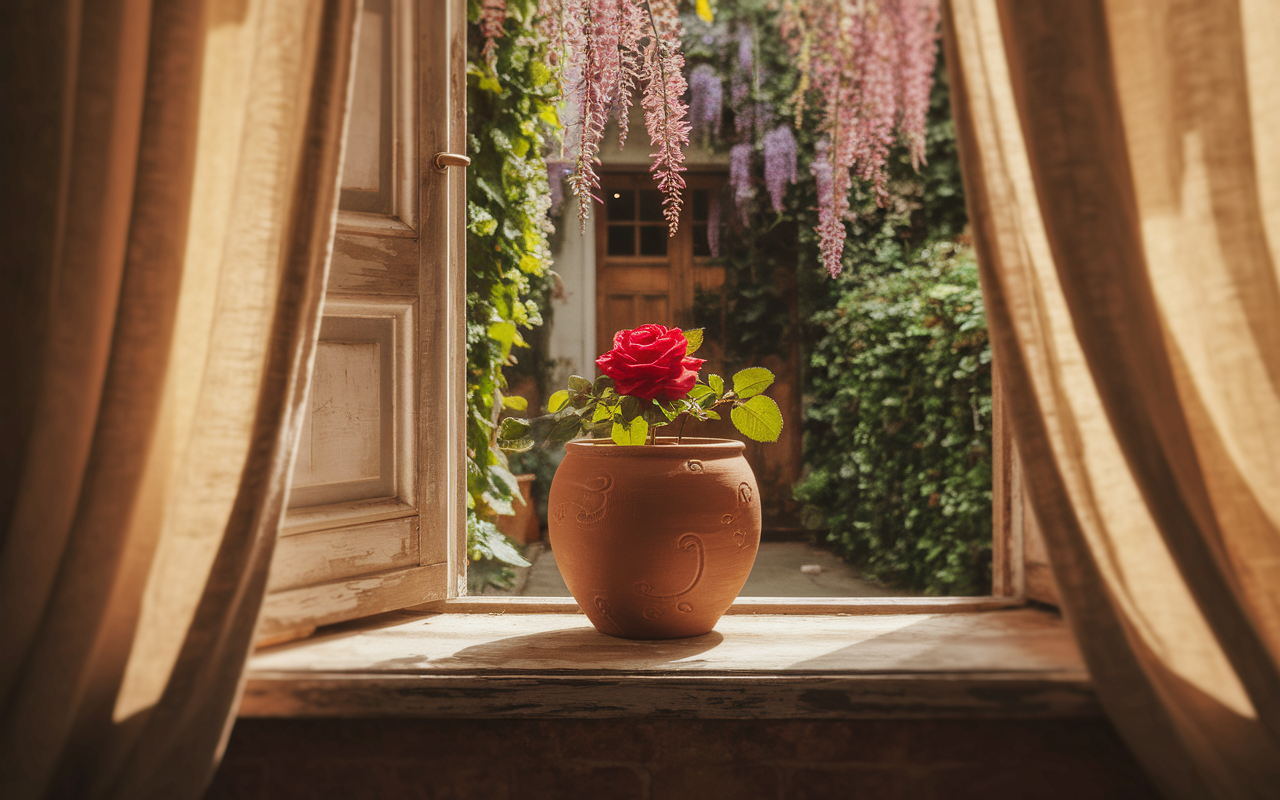
Interior design trends are constantly changing, but natural decoration elements have remained popular because they bring warmth, simplicity, and a connection to nature into living spaces. One such timeless décor element is Pyntekvister. The word “Pyntekvister” comes from Norwegian and refers to decorative branches that are used to enhance homes, offices, event spaces, and creative arrangements.
Pyntekvister have become increasingly popular among people who want to create stylish interiors without relying on artificial decorations. These natural branches can be displayed alone in elegant vases, combined with flowers, decorated for seasonal occasions, or used as part of minimalist Scandinavian-style interiors. Their beauty comes from their simplicity: a few carefully selected branches can transform an ordinary room into a more inviting and visually appealing space.
Unlike traditional decorations that may quickly go out of style, Pyntekvister offer flexibility and timeless charm. They can create a rustic atmosphere, a modern look, or a cozy natural feeling depending on how they are arranged. From homes and restaurants to weddings and creative projects, decorative branches provide endless possibilities for personal expression.
This complete guide explores everything about Pyntekvister, including their meaning, types, decorating ideas, benefits, and how to use them effectively to create beautiful interior spaces.
What Are Pyntekvister? Meaning and Characteristics of Decorative Branches
Pyntekvister are decorative branches specifically chosen or prepared for interior and exterior decoration. They may come from natural trees, shrubs, or specially treated plants and are often selected because of their interesting shapes, textures, colors, or unique structures.
Unlike ordinary branches collected from the outdoors, decorative branches are usually chosen for their visual appeal. Some have elegant curves, delicate buds, colorful bark, or artistic forms that make them suitable for display.
Common characteristics of Pyntekvister include:
- Natural and organic appearance
- Unique shapes and textures
- Long-lasting decorative value
- Easy integration with different interior styles
- Versatility for seasonal decoration
- Sustainable alternative to many artificial décor products
Many people appreciate Pyntekvister because they add a natural element to indoor environments. Research and design trends often highlight the importance of bringing natural materials indoors, a concept known as biophilic design. Decorative branches are a simple way to introduce this connection with nature.
Different Types of Pyntekvister for Home and Event Decoration
There are many different varieties of Pyntekvister available, each offering a unique style and atmosphere. The best choice depends on the desired appearance, season, and decorating purpose.
Natural Dried Pyntekvister
Dried decorative branches are among the most popular options because they can last for a long time with minimal maintenance. They often maintain their natural texture and shape while adding a rustic and elegant feeling to rooms.
Dried branches work especially well in minimalist, Scandinavian, and farmhouse-style interiors. They can be placed in tall vases or combined with dried flowers for a more artistic arrangement.
Flowering Decorative Branches
Branches with flowers or buds create a fresh and lively appearance. They are commonly used during spring and special occasions because they bring color and seasonal beauty into homes.
Examples include branches from flowering trees that produce delicate blossoms, creating a soft and elegant decorative effect.
Painted or Artificial Pyntekvister
Some decorative branches are enhanced with paint, metallic finishes, or artificial materials. These options are often used for modern interior styles, weddings, and commercial decorations.
Artificial Pyntekvister can provide the appearance of natural branches while offering greater durability and flexibility.
Seasonal Pyntekvister
Seasonal branches are decorated according to holidays or special events. For example, branches can be decorated with lights during winter, colorful ornaments during celebrations, or natural elements during autumn.
Why Pyntekvister Are Becoming a Popular Interior Design Trend
The popularity of Pyntekvister is closely connected to modern design preferences that focus on simplicity, sustainability, and natural beauty. Many homeowners are moving away from excessive decoration and choosing meaningful pieces that create a calm atmosphere.
One major reason for their popularity is their ability to add personality to a space. A carefully arranged group of branches can become a focal point in a room without overwhelming the overall design.
Pyntekvister also fit perfectly with several popular interior styles, including:
- Scandinavian design
- Minimalist interiors
- Rustic decoration
- Modern organic design
- Natural and eco-friendly homes
Another advantage is their affordability. Compared with expensive decorative objects, branches offer an economical way to improve the appearance of a room.
Their connection to nature also makes them appealing in modern homes where people want to create peaceful and relaxing environments.
Creative Ways to Use Pyntekvister in Your Home Décor
One of the greatest advantages of Pyntekvister is their versatility. They can be used in many creative ways throughout a home.
Decorative Vase Arrangements
The most common method is placing decorative branches in a stylish vase. Tall branches can create an elegant vertical element, while smaller branches work well on tables, shelves, or sideboards.
Choosing the right vase is important. Glass vases create a modern appearance, while ceramic or wooden containers provide a warmer, traditional feeling.
Wall and Hanging Decorations
Pyntekvister can also be used as wall decorations. Creative arrangements can include branches attached to walls, combined with lights, flowers, or other natural materials.
Hanging branch decorations are especially popular for weddings, celebrations, and artistic interior designs.
Seasonal Decorations
Decorative branches can easily be changed throughout the year. During spring, they can be combined with flowers and fresh colors. During autumn, they can be decorated with warm tones and natural elements. Winter arrangements can include lights and ornaments.
Table Centerpieces
Pyntekvister make beautiful table decorations for everyday dining as well as special events. Simple branch arrangements can create an elegant atmosphere without requiring expensive floral designs.
Benefits of Decorating with Pyntekvister
Using Pyntekvister in interior design offers many practical and aesthetic benefits.
Creates a Natural Atmosphere
Natural branches bring texture and organic beauty into indoor spaces. They help create a connection with the outdoors and make rooms feel more balanced.
Long-Lasting Decoration
Unlike fresh flowers that require regular replacement, many Pyntekvister arrangements can last for months or even years when properly maintained.
Supports Sustainable Decoration
Using natural materials can be a more environmentally conscious choice compared with mass-produced plastic decorations. Many branches can be responsibly sourced or reused creatively.
Flexible Design Options
Pyntekvister work with many decorating styles. They can appear elegant, simple, rustic, modern, or artistic depending on the arrangement.
Affordable Home Transformation
A small decorative change can have a significant visual impact. Pyntekvister allow homeowners to refresh their interiors without large expenses.
How to Choose and Care for Pyntekvister
Selecting the right Pyntekvister requires attention to shape, quality, and the overall design of the space.
When choosing decorative branches, consider:
- The size of the room
- The height of the vase
- The existing color scheme
- The interior style
- Whether you prefer natural or artificial materials
Branches should complement the room rather than dominate it. Larger spaces may benefit from tall arrangements, while smaller rooms often look better with simple and delicate designs.
For maintenance, dried branches require very little care. Regular dusting and keeping them away from excessive moisture can help preserve their appearance.
Natural fresh branches may require water and proper care depending on the plant type. Artificial branches usually need occasional cleaning to maintain their appearance.
Pyntekvister for Weddings, Events, and Commercial Spaces
Beyond home decoration, Pyntekvister are widely used in professional settings. Event planners, restaurants, hotels, and businesses often use decorative branches to create attractive environments.
For weddings, branches can be incorporated into:
- Table centerpieces
- Ceremony decorations
- Photo backgrounds
- Hanging displays
In restaurants and hotels, Pyntekvister create welcoming atmospheres while maintaining a sophisticated appearance.
Businesses often choose natural décor because it creates a comfortable environment for customers and visitors.
Their ability to adapt to different themes makes them valuable for both personal and professional decoration projects.
Conclusion: Why Pyntekvister Are a Timeless Choice for Natural Decoration
Pyntekvister are much more than simple branches used for decoration. They represent a growing appreciation for natural beauty, sustainable design, and creative expression. Their simplicity allows them to fit into almost any interior style, from modern minimalism to traditional rustic homes.
With their versatility, affordability, and long-lasting appeal, decorative branches provide an easy way to refresh living spaces and create a more welcoming atmosphere. Whether displayed in a beautiful vase, used for seasonal decoration, or included in event designs, Pyntekvister continue to prove that natural elements can have a powerful impact on interior aesthetics.
As people continue searching for sustainable and meaningful décor solutions, Pyntekvister will remain a popular choice for those who want to bring elegance, creativity, and a touch of nature into their surroundings.
Frequently Asked Questions (FAQ) About Pyntekvister
What does Pyntekvister mean?
Pyntekvister is a Norwegian word that refers to decorative branches used for home décor, events, and creative arrangements.
Are Pyntekvister real or artificial?
Pyntekvister can be both natural and artificial. Natural dried branches are popular, but artificial versions are also available for long-lasting decoration.
How long do decorative branches last?
Dried Pyntekvister can last for many months or years when properly maintained and protected from moisture.
How can I decorate with Pyntekvister?
You can place them in vases, create table centerpieces, decorate walls, add seasonal ornaments, or combine them with flowers and lights.
Are Pyntekvister environmentally friendly?
Many natural decorative branches are considered a sustainable décor option because they use natural materials and can reduce reliance on plastic decorations.
Which interior styles work best with Pyntekvister?
Pyntekvister work well with Scandinavian, minimalist, rustic, modern, and natural interior design styles.
Home Improvement
Wabi sabi Wabi sabi: Meaning, Philosophy, Design, and How to Embrace Imperfection in 2026
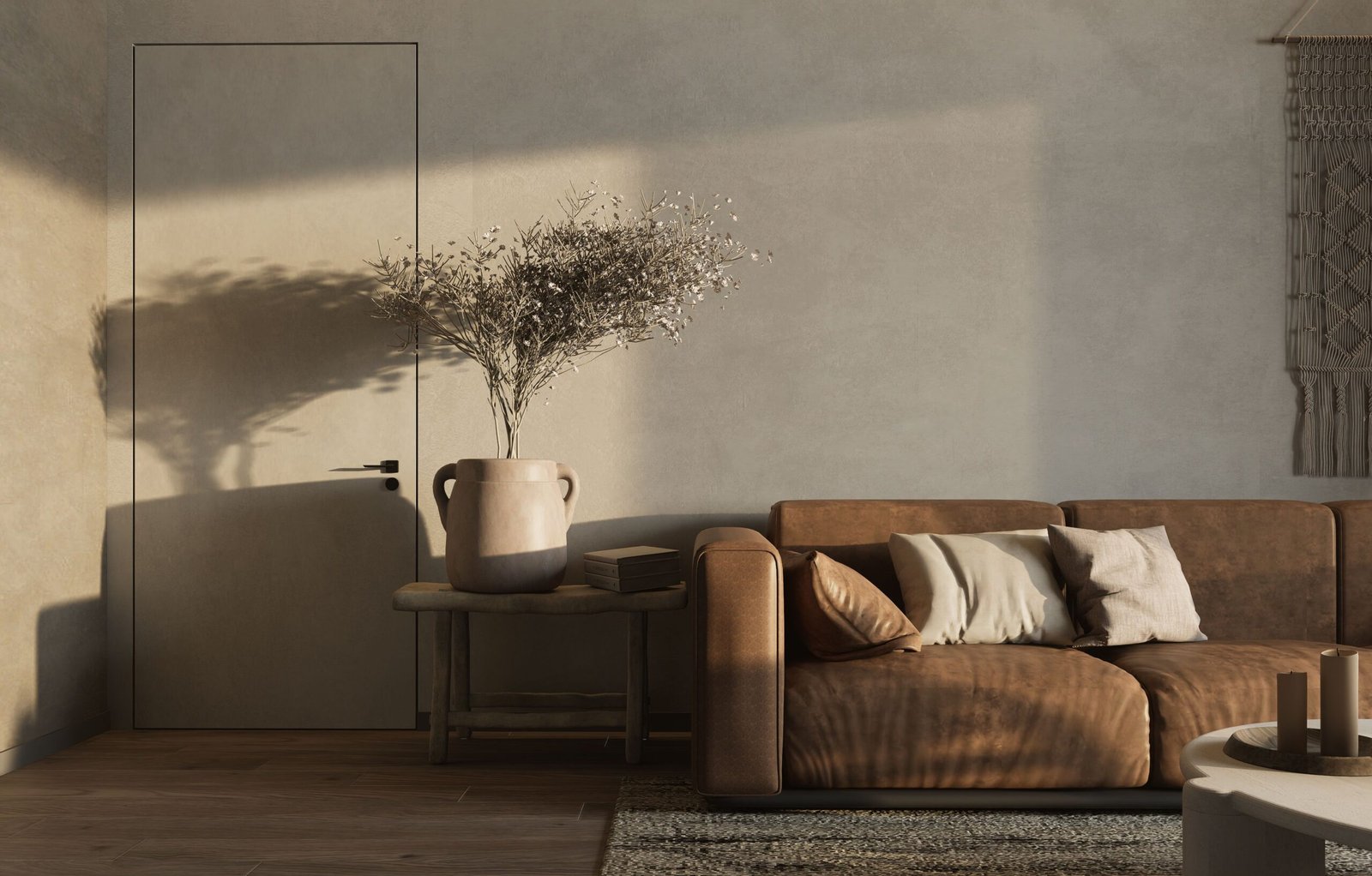
Wabi sabi Wabi sabi is a Japanese philosophy and aesthetic that celebrates imperfection, simplicity, natural materials, and the beauty of things that change with time. Rather than pursuing flawless appearances or permanent perfection, wabi-sabi encourages us to appreciate the quiet charm of weathered wood, handmade pottery, faded fabrics, uneven surfaces, and the natural world. In 2026, this approach continues to inspire interior design, architecture, fashion, gardening, mindfulness, and everyday living.
The appeal of Wabi sabi Wabi sabi lies in its ability to help us slow down and recognize value in ordinary experiences. A handmade ceramic cup with an irregular shape can feel more meaningful than a mass-produced object. An old wooden table can become more attractive as its surface develops marks from years of use. Even a quiet room with natural light and a few carefully selected objects can create a sense of comfort without relying on expensive decoration.
Understanding Wabi sabi Wabi sabi meaning requires looking beyond a particular decorating style. It is a broader way of appreciating the world, especially its impermanence, incompleteness, and natural variations. When we apply this philosophy thoughtfully, we can create calmer homes, make more intentional choices, and develop a deeper appreciation for the objects and experiences we already have.
What Is Wabi sabi Wabi sabi? Understanding Its Meaning
The term Wabi sabi Wabi sabi comes from Japanese cultural and aesthetic traditions. Although the two words have distinct histories and associations, they are often combined to describe an appreciation for simplicity, natural imperfection, and the passage of time.
Wabi is commonly associated with understated simplicity, modesty, and finding richness in a life that does not depend on luxury or excess. It suggests an appreciation for quiet moments, humble surroundings, and experiences that reveal beauty without demanding attention.
Sabi is often connected with the effects of aging and time. It describes the character that develops as materials weather, objects become worn, and surfaces acquire a history. An aged wooden door, an antique bowl, or a stone path covered with moss can express this quality because each carries visible traces of time.
Together, Wabi sabi Wabi sabi encourages us to recognize beauty in things that are incomplete, temporary, or imperfect. It does not mean that everything old or damaged is automatically beautiful. Instead, it invites us to notice authenticity, craftsmanship, natural character, and the stories that objects can communicate.
In modern life, we can apply Wabi sabi Wabi sabi by choosing quality over quantity, accepting small imperfections, and allowing our surroundings to reflect genuine use rather than an artificial appearance of perfection.
The Three Core Principles of Wabi sabi Wabi sabi Philosophy
Wabi sabi Wabi sabi is often explained through three closely related ideas: imperfection, impermanence, and incompleteness. These principles provide a useful foundation for understanding how the philosophy influences design and everyday living.
Imperfection means appreciating natural differences rather than expecting everything to look identical. Handmade objects may contain subtle variations, wood grain may follow an irregular pattern, and stone may display unique colors or textures. These differences can give an object individuality and warmth.
Impermanence reminds us that everything changes. Flowers bloom and fade, buildings weather, materials age, and seasons come and go. Instead of viewing every change as a problem, Wabi sabi Wabi sabi encourages us to understand that transformation is part of life. An object’s appearance can become richer as it develops a history.
Incompleteness suggests that beauty does not always require a finished, perfectly balanced, or completely symmetrical form. A simple room with open space, an unfinished natural texture, or a handmade vessel with an irregular silhouette can feel meaningful without appearing polished in every detail.
These principles can also influence how we approach personal expectations. We may feel less pressure to create flawless homes, maintain perfect routines, or meet unrealistic standards. Wabi sabi Wabi sabi does not ask us to abandon care or quality. It encourages us to recognize that meaningful things can remain imperfect while still being valuable.
Wabi sabi Wabi sabi Interior Design: Creating a Calm and Natural Home
Wabi sabi Wabi sabi interior design transforms a home into a peaceful, welcoming environment through natural materials, muted colors, simple furniture, and thoughtful arrangements. Instead of filling every corner with decorations, we focus on a smaller number of meaningful objects and allow each one to contribute to the atmosphere.
Natural materials are central to this style. Wood, stone, clay, linen, cotton, and other tactile surfaces create visual depth without requiring elaborate patterns. A wooden coffee table with visible grain, a ceramic vase with an uneven finish, or a linen sofa with a relaxed texture can provide character while maintaining a simple overall appearance.
The color palette generally draws inspiration from nature. Warm white, beige, sand, taupe, soft gray, muted brown, and earthy green can help create a balanced space. These colors work particularly well when combined with variations in texture, preventing a neutral room from feeling flat or lifeless.
Furniture should be selected for comfort, usefulness, and material quality rather than appearance alone. A low wooden table, an upholstered chair, or a handmade side table can become a focal point when surrounded by open space.
Wabi sabi Wabi sabi Colors, Materials, and Decorative Elements
The materials and colors we choose strongly influence the character of a Wabi sabi Wabi sabi space. The most successful combinations usually rely on natural variation rather than dramatic contrast or excessive decoration.
Earthy colors form a reliable starting point. Cream, oatmeal, clay, charcoal, muted olive, and warm brown reflect landscapes and organic materials. We can combine lighter walls with darker wooden furniture or use small accents of green to create a connection with plants and outdoor spaces.
Linen and cotton provide softness through their natural fibers and relaxed appearance. Curtains, bedding, cushions, and tablecloths made from these materials can introduce comfort without creating visual excess.
Stone, clay, and plaster add subtle depth to floors, walls, and decorative surfaces. Their irregular patterns and tactile qualities help a room feel connected to the natural world.
Plants and branches can complete the arrangement. A simple branch in a ceramic vase or a small indoor tree can introduce an organic form without overwhelming the space. We should select decorations carefully, allowing each item to serve a purpose or contribute meaningful character.
Wabi-Sabi vs. Minimalism: What Is the Difference?
Wabi-sabi and minimalism share several qualities, including simplicity, restraint, and a preference for thoughtful choices. However, they are not identical philosophies.
Minimalism generally emphasizes reducing possessions, simplifying forms, and removing unnecessary elements. In interior design, it often favors clean lines, carefully controlled arrangements, and an uncluttered visual appearance.
The two approaches can work together. We can reduce clutter while retaining objects that carry history or emotional meaning. We can choose simple furniture without insisting that every surface look new. The result can be practical, uncluttered, and full of character.
Neither style requires us to follow rigid rules. The important consideration is whether our choices create an environment that supports our needs and reflects what we value.
How to Practice Wabi sabi Wabi sabi in Everyday Life
Wabi sabi Wabi sabi becomes more meaningful when we extend it beyond decoration. Its principles can help us approach daily routines, relationships, possessions, and personal expectations with greater awareness.
1. Appreciate ordinary moments. We can take time to enjoy morning sunlight, a quiet cup of tea, the sound of rain, or a simple meal. These experiences do not need elaborate preparation to become meaningful.
2. Choose quality over excess. Instead of continually buying new items, we can select useful belongings that are durable, comfortable, and well made. Repairing an existing object may be more satisfying than replacing it simply because it shows signs of use.
3. Accept natural change. Age, changing circumstances, and unexpected experiences are parts of life. Wabi sabi Wabi sabi encourages us to recognize change without assuming that every difference represents failure.
4. Make room for imperfection. A creative project, a meal, or a home arrangement does not need to be flawless to be worthwhile. We can aim for care and competence while accepting that small variations are normal.
5. Spend time in nature. Walking through a garden, observing seasonal changes, or caring for plants can help us notice textures, shapes, and transitions that are easy to overlook during busy routines.
6. Keep meaningful possessions. An inherited bowl, a well-used notebook, or a repaired piece of furniture may carry memories that cannot be measured by its price. We can value these objects without turning every possession into clutter.
Practicing Wabi sabi Wabi sabi does not mean ignoring problems or refusing to improve. It means distinguishing between what genuinely needs attention and what can be accepted as part of the natural character of life.
Wabi sabi Wabi sabi and Kintsugi: Finding Beauty in Repair
Kintsugi is a Japanese craft associated with repairing broken pottery using lacquer and, in traditional techniques, decorative metallic materials such as gold. Rather than attempting to conceal every break, kintsugi can make the repaired lines visible, turning damage and restoration into part of the object’s appearance.
Kintsugi is frequently discussed alongside Wabi sabi Wabi sabi because both invite us to reconsider how we understand imperfection. A repaired bowl is not identical to its original form, but its history becomes visible through the restoration. The repair may even become one of its most distinctive features.
The broader lesson is that repair can preserve both usefulness and history. Mending a torn garment, restoring a wooden chair, or fixing a cherished household object can reduce waste and maintain a connection with something meaningful.
This approach offers a thoughtful alternative to replacing everything at the first sign of damage. It values care, craftsmanship, and the possibility that an object’s story can continue after it has been repaired.
Frequently Asked Questions About Wabi sabi Wabi sabi
What does Wabi sabi Wabi sabi mean in simple words?
Wabi sabi Wabi sabi means appreciating the beauty of imperfection, simplicity, and natural change. It encourages us to value authentic materials, handmade objects, signs of age, and ordinary experiences rather than expecting everything to look flawless.
Is Wabi sabi Wabi sabi a Japanese philosophy?
Yes. Wabi sabi Wabi sabi is rooted in Japanese aesthetic and cultural traditions, with important historical connections to tea culture and Zen-influenced ideas. Its modern interpretation is often applied to interior design and everyday living.
How can we make a home look Wabi sabi Wabi sabi?
We can use natural materials, earthy colors, handmade ceramics, relaxed linen fabrics, simple furniture, and soft lighting. Reducing unnecessary clutter and keeping meaningful objects can help create a calm, authentic environment.
Is Wabi sabi Wabi sabi the same as minimalism?
No. Both value simplicity, but Wabi sabi Wabi sabi places particular emphasis on imperfection, impermanence, and the character of aging materials. Minimalism focuses more broadly on reducing excess and simplifying forms.
Does Wabi sabi Wabi sabi mean that everything must look old?
No. Wabi sabi Wabi sabi is not simply a vintage decorating trend. New objects can express its principles when they feature natural materials, honest craftsmanship, understated forms, and a willingness to preserve authentic character.
What is the relationship between Wabi sabi Wabi sabi and kintsugi?
Wabi sabi Wabi sabi is a broad philosophy and aesthetic, while kintsugi is a Japanese pottery repair tradition that can highlight cracks and restoration. Both can encourage appreciation for imperfection and an object’s history.
Conclusion: Embracing the Beauty of Wabi sabi Wabi sabi in 2026
Wabi sabi Wabi sabi offers a meaningful way to appreciate simplicity, natural materials, imperfection, and the passage of time. Whether we apply it to interior design, everyday routines, creative work, or the objects we choose to keep, its principles encourage us to look beyond flawless appearances and recognize the character of things as they are.
In our homes, we can express Wabi sabi Wabi sabi through wood, stone, linen, ceramics, earthy colors, and carefully selected decorations. In daily life, we can practice it by slowing down, repairing useful possessions, appreciating ordinary experiences, and allowing room for natural change.
The philosophy does not demand an expensive renovation or a perfectly styled room. We can begin with a single handmade object, a less cluttered space, or a more thoughtful approach to the things we already own. Ultimately, Wabi sabi Wabi sabi reminds us that beauty does not depend on perfection. It can emerge from authenticity, simplicity, history, and the quiet details that make each object and experience unique.
Home Improvement
Home Improvements: A Complete Guide to Transforming Your Home, Increasing Value, and Creating a Better Living Space
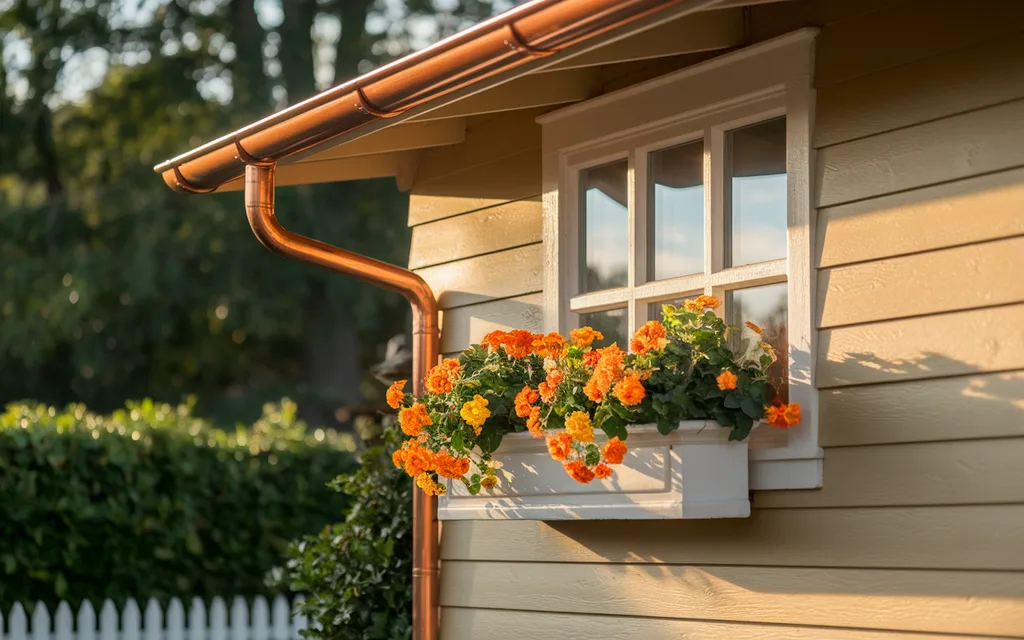
A home is more than just a place to live; it is a personal space that reflects comfort, lifestyle, and individual needs. Over time, every home requires updates, repairs, and improvements to remain functional, attractive, and valuable. This is where home improvements play an important role. Whether you want to upgrade your kitchen, renovate your bathroom, improve energy efficiency, or simply refresh your interior design, thoughtful improvements can completely transform your living environment.
Home improvements are not only about making a house look better. They can also increase property value, improve comfort, reduce energy costs, and create spaces that better match your lifestyle. Many homeowners invest in renovations because they want their homes to become more practical, modern, and enjoyable.
With changing design trends, new technologies, and growing interest in sustainable living, home improvement projects have become more diverse than ever. From small weekend upgrades to complete home renovations, there are countless ways to enhance your property. This complete guide explores the importance of home improvements, popular renovation ideas, planning strategies, budgeting tips, and the best ways to create a beautiful and functional home.
What Are Home Improvements and Why Are They Important?
Home improvements refer to any changes, upgrades, repairs, or renovations made to improve the condition, appearance, functionality, or value of a residential property. These improvements can range from simple projects such as painting walls and replacing fixtures to larger renovations like remodeling kitchens, adding new rooms, or improving outdoor spaces.
The importance of home improvements goes beyond visual appeal. A well-maintained and upgraded home provides several benefits for homeowners. First, improvements can increase the market value of a property. Buyers are often willing to pay more for homes with updated kitchens, modern bathrooms, energy-efficient systems, and attractive designs.
Second, home improvements improve daily comfort. A better-designed kitchen can make cooking easier, a renovated bathroom can create a relaxing environment, and improved insulation can make rooms more comfortable throughout the year.
Popular Home Improvement Projects That Add Value to Your Property
Not all home improvement projects provide the same benefits. Some upgrades have a stronger impact on comfort, appearance, and property value. Understanding which improvements offer the greatest advantages can help homeowners make smarter decisions.
Kitchen Renovations
The kitchen is often considered the heart of a home. A modern, functional kitchen can significantly improve both lifestyle and property appeal. Popular kitchen improvements include replacing outdated cabinets, installing new countertops, upgrading appliances, improving lighting, and creating better storage solutions.
Open kitchen designs have become increasingly popular because they create a more spacious feeling and encourage interaction between family members and guests. Even smaller updates, such as new handles, backsplash designs, or modern faucets, can create a fresh appearance without requiring a complete renovation.
Bathroom Upgrades
Bathrooms are another area where improvements can make a major difference. Modern homeowners often focus on creating comfortable and relaxing spaces with updated showers, stylish fixtures, improved lighting, and efficient storage.
Energy-saving toilets, water-efficient faucets, and modern ventilation systems can also improve functionality while reducing utility costs.
Flooring Improvements
Replacing old flooring is one of the easiest ways to transform the look of a home. Options such as hardwood, laminate, tile, and luxury vinyl flooring can provide durability and a modern appearance.
How to Plan a Successful Home Improvement Project
Proper planning is one of the most important factors in achieving successful home improvements. Many problems occur when homeowners begin projects without a clear strategy.
The first step is identifying your goals. Ask yourself what you want to achieve. Are you improving your home for personal comfort, increasing resale value, fixing problems, or updating outdated designs? Clear goals help determine the right projects to prioritize.
Creating a realistic budget is equally important. Home improvements can become expensive if costs are not carefully controlled. Consider material expenses, labor costs, permits, unexpected repairs, and additional features.
Research is another essential step. Look at design ideas, compare materials, understand current trends, and evaluate different options before making decisions.
Budget-Friendly Home Improvements That Make a Big Difference
Many homeowners believe that improving a home requires a large investment, but that is not always true. Small changes can create noticeable improvements without spending excessive money.
Improving organization can also make a home feel more comfortable. Adding shelves, storage solutions, and smart organization systems helps reduce clutter and creates more usable space.
Other affordable upgrades include:
- Replacing cabinet handles
- Updating curtains and blinds
- Adding decorative wall features
- Improving landscaping
- Installing modern faucets
- Upgrading bathroom accessories
These smaller improvements may seem simple, but together they can significantly enhance the overall look and functionality of a home.
Energy-Efficient Home Improvements for a Sustainable Future
Energy efficiency has become one of the most important areas of modern home improvement. Rising energy costs and environmental concerns have encouraged homeowners to search for smarter ways to reduce consumption.
One of the most effective improvements is upgrading insulation. Proper insulation helps maintain indoor temperatures and reduces the need for excessive heating or cooling.
Replacing old windows with energy-efficient models can also improve comfort and reduce energy loss. Modern windows provide better insulation and help maintain consistent indoor temperatures.
Smart home technology is another growing trend. Smart thermostats, automated lighting systems, and energy monitoring devices allow homeowners to control energy use more effectively.
Interior and Exterior Home Improvements for Better Living
Home improvements are not limited to indoor spaces. The exterior of a property plays an important role in appearance, functionality, and value.
Exterior improvements such as landscaping, painting, roofing repairs, and improved outdoor lighting can dramatically enhance curb appeal. The first impression of a home often begins from the outside, making exterior maintenance an important investment.
Outdoor living spaces have also become increasingly popular. Patios, decks, gardens, and outdoor seating areas allow homeowners to enjoy additional living space.
Common Mistakes to Avoid During Home Improvement Projects
While home improvements can provide many benefits, poor planning can lead to unnecessary expenses and frustration. Avoiding common mistakes can make the process smoother.
One common mistake is starting a project without a proper budget. Unexpected costs can quickly increase expenses, so homeowners should always include extra funds for surprises.
Another mistake is choosing designs based only on trends. While modern styles can be attractive, it is important to select improvements that match your personal needs and long-term preferences.
Conclusion: Creating a Better Home Through Smart Improvements
Home improvements are one of the best ways to enhance comfort, functionality, and property value. Whether you are planning a major renovation or making small upgrades, every improvement contributes to creating a better living environment.
The most successful home improvement projects begin with careful planning, realistic budgeting, and a clear understanding of your goals. From kitchen renovations and bathroom upgrades to energy-efficient solutions and outdoor improvements, there are countless opportunities to transform your home.
A well-improved home is not only more attractive but also more comfortable, efficient, and enjoyable. By making thoughtful decisions and focusing on quality improvements, homeowners can create spaces that support their lifestyle today while increasing long-term value.
Frequently Asked Questions (FAQ) About Home Improvements
What are the most valuable home improvements?
Kitchen renovations, bathroom upgrades, energy-efficient improvements, and exterior enhancements are among the most valuable projects for increasing home appeal and value.
How much should I budget for home improvements?
The budget depends on the size and type of project. Homeowners should consider materials, labor, permits, and unexpected expenses before starting.
Are small home improvements worth it?
Yes. Small improvements such as painting, lighting upgrades, and organization solutions can significantly improve comfort and appearance.
Should I hire professionals for home renovations?
For complex projects involving electricity, plumbing, or structural changes, hiring qualified professionals is usually the safest option.
How can I make my home more energy efficient?
Improving insulation, upgrading windows, using smart technology, and installing efficient appliances can help reduce energy consumption.
Do home improvements increase property value?
Many well-planned improvements can increase property value by improving appearance, functionality, and buyer appeal.

Frances Tiafoe: Biography, Age, Ranking, Tennis Career, Achievements, and Personal Life (2026)

Doeda: Meaning, Website Overview, Features, and Online Safety Guide (2026)

Facebook Marketplace Boise 2026: Buy and Sell Locally

MyGreenBucks Net Jones: Latest News, Financial Insights, Features, and Everything You Need to Know

Who Is Martie Allen? Everything About Kristy McNichol’s Partner

Pyntekvister: A Complete Guide to Decorative Branches, Creative Home Décor Ideas, and Natural Interior Styling
 Business3 months ago
MyGreenBucks Net Jones: Latest News, Financial Insights, Features, and Everything You Need to Know
- Celebrity4 months ago
Who Is Martie Allen? Everything About Kristy McNichol’s Partner
- Business3 months ago
TTweakFlight Discount Code from TravelTweaks: Complete Guide to Saving More on Flights and Travel Deals
- Celebrity4 months ago
Who Is David Sanov? All About Alison Sweeney’s Husband
- Celebrity3 months ago
Jocelyne Desrouleaux: A Comprehensive Biography, Career, Legacy, and Lasting Influence
- Blog3 months ago
About ThriftyEvents.net: The Complete 2026 Guide to Budget Event Planning, AI-Powered Content Creation, and Digital Innovation
- Blog3 months ago
Forest or Forrest? Understanding the Difference, Correct Spelling, Meaning, and Usage (2026 Guide)
- Sports3 months ago
Tennessee vs MS State: A Complete Guide to One of the SEC’s Most Competitive College Football Rivalries