
Food
Watermelon: Nutrition, Health Benefits, Types, and How to Enjoy It in 2026

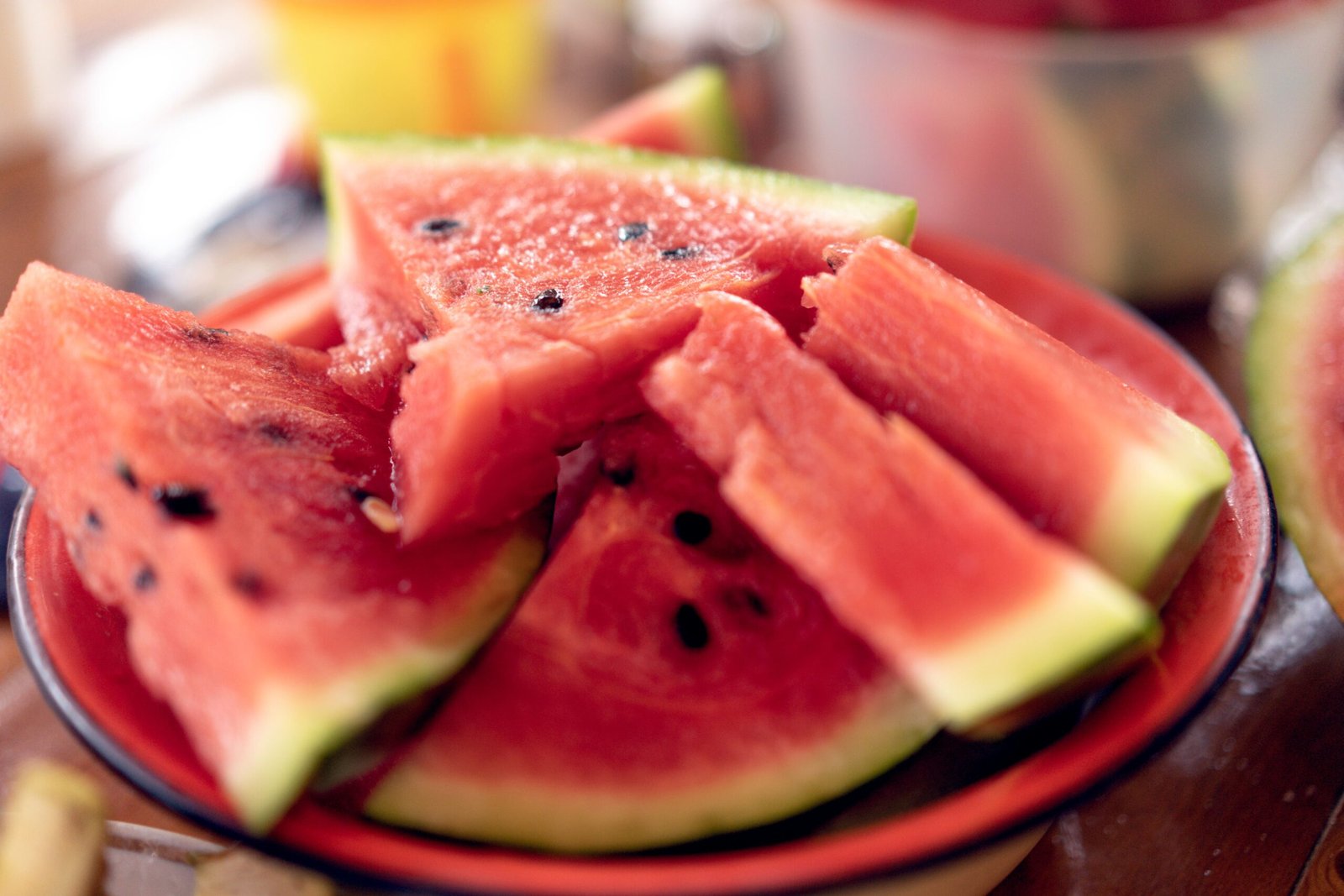
Watermelon is one of the most refreshing fruits to enjoy, especially during warm weather. Known for its juicy texture, naturally sweet flavor, and bright red flesh, this popular fruit is enjoyed around the world in slices, fruit salads, smoothies, juices, and frozen desserts. Its high water content makes it a satisfying choice when you want something cool and refreshing, while its vitamins and plant compounds add nutritional value to everyday meals.
Beyond its familiar taste, watermelon offers plenty to explore. It comes in different sizes and colors, including red, yellow, and orange varieties, and can be used in both sweet and savory recipes. According to the U.S. Department of Agriculture, watermelon contains about 92% water and provides nutrients and antioxidants that can contribute to a balanced diet.
Whether you are interested in nutrition, choosing a ripe fruit, or finding new ways to serve it, this guide covers the essential facts about watermelon in 2026.
What Is Watermelon?
Watermelon, scientifically known as Citrullus lanatus, is a fruit from the cucurbit family, which also includes cucumbers, pumpkins, and other melons. It usually has a thick green rind, juicy flesh, and either dark seeds or very small, pale seed structures in seedless varieties. Although red-fleshed watermelon is the best-known type, yellow- and orange-fleshed varieties are also available.
The fruit has a long history of cultivation and has become a familiar food in many parts of the world. Its natural sweetness, refreshing texture, and versatility make it popular with children and adults alike. Some people enjoy it simply cut into wedges, while others add it to salads, blend it into drinks, or freeze it for a chilled snack.
Watermelon is particularly associated with summer, but availability varies by region and growing season. In markets, shoppers can find large traditional melons, smaller personal-sized varieties, seeded fruit, and seedless options. The best choice depends on household size, preferred texture, intended recipe, and storage space.
Watermelon Nutrition Facts and Health Benefits
One of the main reasons watermelon is popular is its combination of high water content, refreshing taste, and useful nutrients. One cup of diced watermelon, weighing approximately 152 grams, contains around 46 calories, 11.5 grams of carbohydrates, about 0.9 grams of protein, and small amounts of fat and fiber. It also provides vitamin C, vitamin A, and the antioxidant lycopene.
Here are some of the potential benefits of including watermelon in a balanced diet:
Hydration: Because watermelon is approximately 92% water, it can help contribute to daily fluid intake, especially in hot weather. It complements drinking water rather than replacing it entirely.
Antioxidant intake: Red watermelon contains lycopene, a plant pigment with antioxidant properties. Antioxidants help protect cells from damage caused by free radicals.
Vitamin C: This nutrient supports normal immune function, collagen production, and wound healing.
Vitamin A-related nutrients: Watermelon provides carotenoids, including compounds the body can use to support normal vision and other functions.
A refreshing, lower-calorie snack: Watermelon can be a satisfying alternative to many calorie-dense desserts when enjoyed in reasonable portions.
However, watermelon is not a cure for illness, and eating it alone cannot guarantee weight loss or prevent disease. It contains natural sugars and carbohydrates, so people managing blood glucose should pay attention to serving sizes and their individual dietary needs. Some people with sensitive digestion may also experience bloating after eating large quantities.
Types of Watermelon and How to Choose a Ripe One
Watermelons vary in size, shape, rind pattern, flesh color, and seed content. Seeded watermelons contain noticeable dark seeds, while seedless watermelons generally contain few or no fully developed seeds. Small personal-sized varieties are convenient for individuals or smaller households, whereas large melons work well for family gatherings.
Red watermelon is the most familiar variety, but yellow and orange types offer different colors and sometimes different flavor profiles.
When shopping, look for a melon that is symmetrical, feels heavy for its size, and has a firm rind without deep cuts, soft spots, or signs of decay. A creamy yellow patch where the fruit rested on the ground can be a useful sign of maturity.
The sound made by tapping a watermelon is sometimes used as a ripeness clue, but it is not a guarantee of sweetness. Likewise, size alone does not determine quality. Whenever possible, buy from a seller who handles produce carefully and choose a fruit with a clean, intact exterior.
Easy Ways to Eat, Prepare, and Store Watermelon
Watermelon is easy to prepare and can be enjoyed in many different ways. For a simple snack, cut the flesh into wedges or cubes and serve it chilled. For a fruit salad, combine watermelon with berries, grapes, or other seasonal fruit. Mint leaves and a little lime juice can add a fresh flavor without requiring extra sugar.
You can also blend watermelon into a smoothie, freeze blended fruit in ice-pop molds, or add cubes to a salad with cucumber, mint, and feta cheese. For a savory option, watermelon pairs well with lime, herbs, and certain grilled foods. These ideas make it easy to enjoy the fruit beyond the usual slice.
Food safety matters when preparing watermelon. Wash the whole rind under clean running water and scrub away visible dirt before cutting, even though the rind is not usually eaten. This helps reduce the risk of transferring germs from the outside to the flesh through a knife. Use clean hands, utensils, and cutting surfaces.
After cutting, place watermelon in a clean, covered container and refrigerate it promptly. Perishable cut fruit should not be left at room temperature for more than two hours, or one hour when temperatures exceed 90°F (32°C). Follow local food-safety guidance and discard fruit that smells unusual, becomes slimy, or shows signs of spoilage.
Frequently Asked Questions About Watermelon
Is watermelon good for you?
Yes. Watermelon provides water, vitamin C, vitamin A-related nutrients, and antioxidants such as lycopene. It can be part of a balanced diet, although portion size and individual dietary needs still matter.
How much water does watermelon contain?
Watermelon is approximately 92% water, making it a hydrating food choice. It should complement, not replace, regular fluid intake.
Does watermelon contain a lot of sugar?
Watermelon contains natural sugar. One cup of diced fruit has approximately 9.4 grams of sugar and 11.5 grams of carbohydrates. People who monitor their blood glucose should consider portions as part of their overall meal plan.
Can you eat watermelon seeds?
Small, pale seed structures found in seedless watermelon are safe to eat. Dark watermelon seeds can also be eaten, including when roasted, if prepared appropriately.
Should watermelon be refrigerated?
A whole, uncut watermelon can be kept in a suitable cool place for short-term storage. Once cut, it should be covered and refrigerated promptly to maintain quality and food safety.
Conclusion
Watermelon is much more than a sweet summer fruit. Its high water content, refreshing flavor, useful nutrients, and versatility make it a practical addition to everyday meals. From fresh slices and colorful salads to smoothies and frozen treats, there are many simple ways to enjoy it throughout the year.
To get the most from watermelon in 2026, choose a sound, ripe fruit, wash the rind before cutting, refrigerate leftovers promptly, and enjoy sensible portions as part of a varied diet. With its appealing taste and easy preparation, watermelon remains a refreshing favorite for families, fruit lovers, and anyone looking for a simple snack.
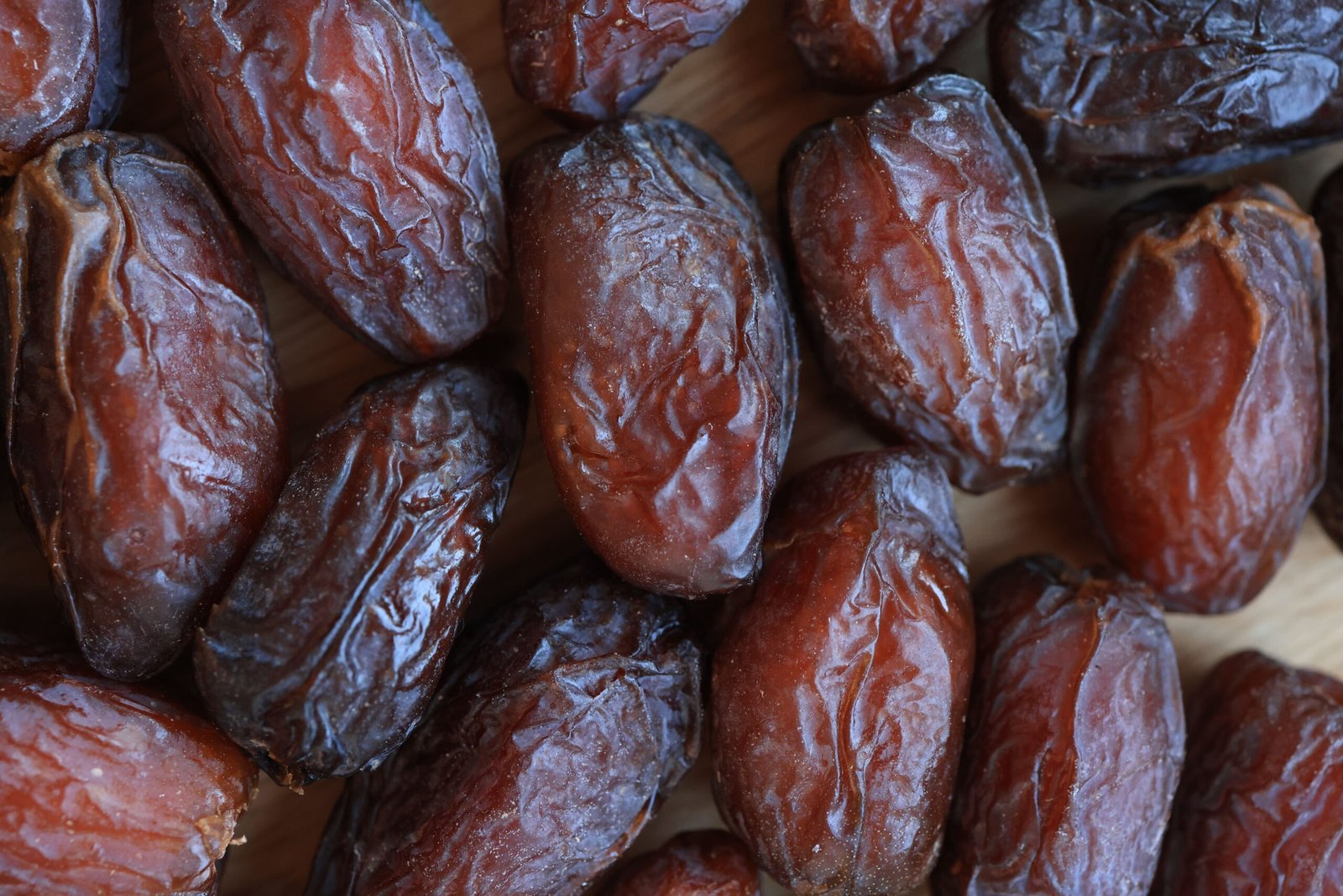
Dates are naturally sweet fruits enjoyed around the world for their rich flavor, soft texture, and nutritional value. Growing on date palm trees, these fruits have been an important food in the Middle East, North Africa, and South Asia for centuries. Today, dates are eaten as everyday snacks, added to desserts, blended into smoothies, and used as natural sweeteners in many recipes.
Beyond their sweetness, dates provide dietary fiber, carbohydrates, minerals, and antioxidant plant compounds. They are especially popular during Ramadan, when many people traditionally break their fast with dates and water. Different varieties offer different textures and flavors, from the large, soft Medjool date to the firmer Deglet Noor.
This guide explains what dates are, their nutritional benefits, popular varieties, practical ways to eat them, and how to store them safely. Whether you want to improve your everyday snack choices or learn more about this traditional fruit, understanding dates can help you enjoy them as part of a balanced diet in 2026.
What Are Dates and Where Do They Come From?
Dates are the fruit of the date palm tree, scientifically known as Phoenix dactylifera. Date palms thrive in hot climates and are widely cultivated in parts of the Middle East, North Africa, and other warm regions. The fruits grow in clusters and change color and texture as they mature, ranging from yellow or amber to reddish-brown and deep brown, depending on the variety and stage of ripeness.
Dates may be sold fresh, semi-dried, or dried. Fresh dates can have a firmer texture, while many commonly available dried dates are soft, chewy, and concentrated in sweetness. Their flavor is often described as caramel-like, with some varieties tasting richer, nuttier, or more honey-like than others.
For generations, dates have been valued as a convenient source of energy in regions where date palms are cultivated. They remain important in traditional dishes, hospitality, and religious celebrations. Their portability and long storage life, particularly when properly dried and stored, also make them useful pantry ingredients.
Although dates are sometimes grouped with dried fruit, they are a distinct fruit with their own range of varieties, textures, and culinary uses. Whole dates can be enjoyed on their own or combined with nuts, yogurt, oats, and other foods to create satisfying snacks.
Dates Nutrition Facts and Health Benefits
Dates are nutrient-dense fruits that supply energy mainly through natural carbohydrates. They also provide dietary fiber, potassium, magnesium, and various plant compounds. The exact nutritional values depend on the variety, size, and moisture content of the fruit. A single Medjool date, for example, is larger and generally contains more calories than a smaller date.
Some of the main nutritional benefits of dates include:
Dietary fiber: Fiber supports normal digestion and can help maintain regular bowel movements as part of a fiber-rich diet.
Natural energy: Dates contain carbohydrates that the body can use for energy, making them a convenient snack before physical activity or during a busy day.
Potassium: This mineral contributes to normal muscle function, nerve signaling, and blood pressure regulation.
Magnesium: Dates provide some magnesium, which plays a role in muscle and nerve function and many processes in the body.
Antioxidant compounds: Dates contain polyphenols and other plant compounds that have antioxidant activity. Research into their wider health effects is ongoing.
Dates can be a nutritious alternative to sweets made with large amounts of refined sugar, especially when eaten whole. However, they are also concentrated in natural sugars and calories, so portion size matters. People with diabetes may include dates in their diet, but should consider carbohydrate intake and monitor how their bodies respond. Anyone with specific medical or dietary restrictions should seek individualized advice rather than treating dates as a medicine.
Popular Types of Dates and Their Differences
There are many date varieties, and each has its own flavor, appearance, and texture. Knowing the differences can help you choose the right dates for snacking, cooking, or gifting.
Medjool dates are large, soft, and moist, with a rich, caramel-like flavor. Their size makes them suitable for stuffing with nuts or nut butter, blending into smoothies, or using in homemade energy bites.
Deglet Noor dates are usually firmer and less soft than Medjool dates. They work well chopped into salads, mixed into oatmeal, or added to baked goods because they can hold their shape.
Ajwa dates are dark-colored and traditionally associated with the Medina region of Saudi Arabia. They are valued by many consumers for their distinctive taste and cultural significance.
Barhi dates can be particularly soft and sweet when fully ripe, while Zahidi dates tend to be firmer and have a milder sweetness. Halawi dates are another variety known for their soft texture and honey-like flavor.
When buying dates, look for fruit that is plump and reasonably intact, without mold, an unpleasant odor, or signs of excessive moisture. A light, sugary coating may occur naturally, but any suspicious discoloration or unusual smell deserves caution. The best variety depends on your preferred sweetness, texture, recipe, and budget.
How to Eat Dates and Use Them in Everyday Recipes
One of the biggest advantages of dates is their versatility. They can be eaten directly from the package or used as an ingredient in breakfast dishes, snacks, desserts, and savory meals.
Here are a few easy ways to enjoy them:
As a snack: Eat a small serving of dates with almonds, walnuts, or other nuts for a combination of carbohydrates, fiber, and fats.
With breakfast: Chop dates into oatmeal, porridge, or plain yogurt for natural sweetness.
In smoothies: Blend pitted dates with milk or a suitable plant-based drink, banana, and cinnamon.
As a baking ingredient: Use chopped dates in muffins, cookies, homemade bars, and breads.
As a natural sweetener: Blend pitted dates with water to make date paste, which can sweeten certain recipes while retaining some of the fruit’s fiber.
In savory dishes: Add chopped dates to salads, grain bowls, or rice dishes to create a sweet contrast with herbs, vegetables, and spices.
For a simple date snack, remove the pits from two or three dates and fill them with a small amount of nut butter, if suitable for your diet. For a quick breakfast topping, chop one or two dates and combine them with oats and plain yogurt.
Remember that date syrup and date paste are not calorie-free alternatives to sugar. Although date paste can retain fiber from the whole fruit, syrups are concentrated sweeteners and should be used in moderation.
How to Store Dates and Eat Them Safely
Proper storage helps preserve the flavor, texture, and quality of dates. Keep packaged dates in a clean, sealed container and follow the storage instructions on the label. Depending on the variety and moisture level, dates may be stored in a cool pantry or refrigerated to help maintain quality for longer.
For extended storage, dates can generally be frozen in a suitable airtight container. Divide them into small portions so you can remove only what you need. Allow frozen dates to soften before eating or using them in recipes.
Before consuming dates, inspect them for mold, unusual odors, or other signs of spoilage. Avoid eating fruit that appears contaminated or has been stored under unsuitable conditions. If the package provides a best-before or use-by date, follow its guidance.
People with diabetes should pay attention to portion size because dates contain significant amounts of natural sugar. Those with kidney disease or other conditions that require potassium restrictions may also need advice about how much to eat. For young children, remove the pits and cut dates into small, manageable pieces to reduce choking risk.
Frequently Asked Questions About Dates
Are dates healthy to eat every day?
Dates can be part of a balanced diet when eaten in suitable portions. They provide fiber, minerals, and plant compounds, but their natural sugars and calorie content make moderation important.
How many dates should I eat per day?
There is no single serving size that suits everyone. A small portion, such as two or three dates, may be a practical starting point, depending on their size, your overall diet, and your individual nutritional needs.
Are dates good for digestion?
Dates contain dietary fiber, which supports normal bowel function. However, eating a large quantity at once may cause digestive discomfort in some people.
Are Medjool dates better than other varieties?
Not necessarily. Medjool dates are larger and softer, while varieties such as Deglet Noor may be firmer and more suitable for certain recipes. The best choice depends on taste, texture, portion size, and price.
Can dates replace refined sugar?
Dates and date paste can add sweetness to many recipes. They also provide nutrients and, in the case of whole dates and date paste, fiber. However, date syrup is still a concentrated sweetener, and dates contain natural sugars.
Conclusion
Dates are a versatile, naturally sweet fruit that combines traditional food culture with practical everyday nutrition. They provide carbohydrates for energy, dietary fiber, minerals, and antioxidant plant compounds. From Medjool and Ajwa to Deglet Noor and Barhi, different varieties offer plenty of choices for snacks, breakfasts, baking, and savory dishes.
In 2026, dates remain a useful pantry staple for people looking for flavorful ways to sweeten meals and diversify their fruit intake. Choose good-quality fruit, store it properly, and pay attention to portion sizes—particularly if you need to manage blood glucose or follow a specific medical diet. Enjoyed in moderation as part of a varied eating pattern, dates can be a delicious addition to everyday meals.
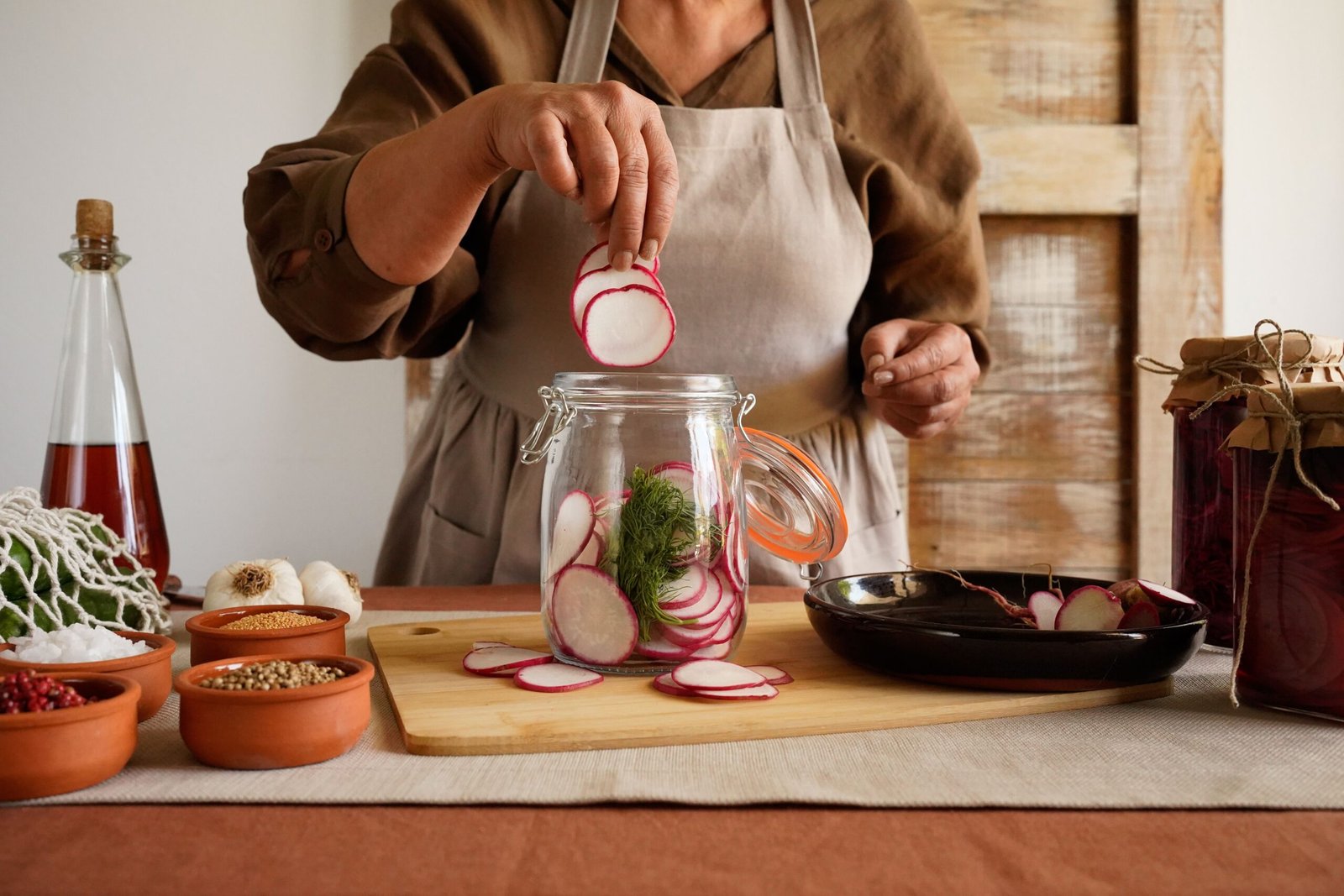
Pickled onions are a flavorful, versatile condiment made by preserving fresh onions in a mixture of vinegar, salt, sugar, and seasonings. Known for their tangy taste, vibrant color, and satisfying crunch, pickled onions have become a popular addition to sandwiches, burgers, tacos, salads, and countless other dishes. They are easy to prepare at home, require only a handful of ingredients, and can transform ordinary meals into delicious culinary experiences.
Whether we prefer classic white pickled onions, sweet-and-sour red onions, or traditional British-style pickled onions, this guide explores everything we need to know about making, serving, and storing them. We will also examine their nutritional value, potential health benefits, different preparation methods, and practical tips for achieving the best flavor and texture.
What Are Pickled Onions?
Pickled onions are onions preserved in an acidic liquid, usually vinegar, that gives them their distinctive sour flavor while helping create a longer-lasting condiment under appropriate storage conditions. Depending on the recipe, the pickling liquid may contain sugar, salt, black peppercorns, mustard seeds, garlic, bay leaves, or other aromatic ingredients.
Although pickled onions are available in supermarkets worldwide, homemade versions offer greater control over sweetness, acidity, texture, and seasoning. We can prepare them using red, white, yellow, or pearl onions, with each variety contributing a slightly different flavor and appearance.
Red onions are particularly popular for quick pickling because they develop a beautiful pink or magenta color when exposed to vinegar. White onions provide a sharper, more traditional flavor, while small pearl onions are often used for classic pickles served alongside cheese, cold meats, and savory snacks.
Pickled onions can be prepared using two main methods: quick pickling and traditional pickling. Quick-pickled onions are immersed in a hot or cold vinegar solution and refrigerated, making them suitable for relatively rapid preparation. Traditional shelf-stable pickling requires a tested preservation recipe and an appropriate processing method to ensure food safety.
How to Make Pickled Onions at Home
Making pickled onions at home is straightforward. With fresh ingredients, a clean jar, and the right balance of vinegar and seasonings, we can prepare a delicious batch in approximately 15–20 minutes, excluding additional chilling time.
Ingredients for Homemade Pickled Onions
For a basic refrigerated recipe, we need:
- 2 medium red onions
- 1 cup (240 ml) vinegar, such as white vinegar or apple cider vinegar
- 1 cup (240 ml) water
- 1 tablespoon sugar, adjusted to taste
- 1 teaspoon salt
- 1 teaspoon black peppercorns
- 1 small garlic clove, optional
- A pinch of chili flakes, optional
These ingredients create a balanced sweet-and-sour flavor. We can adjust the sugar and spices according to personal preference, although the vinegar concentration and food-handling method should remain appropriate for safe preparation.
Step-by-Step Preparation
Step 1: Prepare the onions. Peel the onions, remove the ends, and slice them into thin rings or half-moons. Consistent slices help the onions absorb the pickling liquid evenly.
Step 2: Prepare the pickling liquid. Combine the vinegar, water, sugar, and salt in a small saucepan. Heat the mixture gently until the sugar and salt dissolve. There is no need for prolonged boiling.
Step 3: Add the seasonings. Place the peppercorns, garlic, and optional chili flakes in a clean, heat-safe glass jar.
Step 4: Fill the jar. Add the sliced onions and pour the warm pickling liquid over them. Ensure the onions are submerged, using a clean utensil to remove trapped air bubbles if necessary.
Step 5: Cool and refrigerate. Allow the mixture to cool appropriately, then cover the jar and refrigerate it promptly. Avoid leaving the onions at room temperature for extended periods.
Step 6: Allow the flavors to develop. The onions may become pleasantly tangy within 30–60 minutes, but they generally develop a more balanced flavor after several hours. For the best results, we can refrigerate them overnight before serving.
This method produces refrigerator pickled onions, which must remain refrigerated. It is not a validated method for making shelf-stable canned pickles.
Different Types of Pickled Onions
One of the most appealing aspects of pickled onions is their versatility. We can adapt the ingredients and preparation method to create different varieties suitable for various meals and preferences.
Red Pickled Onions
Red pickled onions are popular because of their vibrant appearance and crisp, refreshing flavor. Their natural pigments react to acidic ingredients, often turning the slices bright pink. They work especially well in tacos, grain bowls, salads, sandwiches, and grilled vegetable dishes.
Traditional British Pickled Onions
Traditional British pickled onions are commonly made with small onions or pearl onions and a strongly flavored malt vinegar brine. Recipes may include mustard seeds, peppercorns, and other spices.
These pickles are often served with mature cheddar, cold meats, ploughman’s lunches, and savory pub-style meals. Their flavor is generally sharper and more intense than that of lightly pickled red onions.
Sweet Pickled Onions
Sweet pickled onions contain additional sugar to balance vinegar’s acidity. They complement barbecue dishes, pulled pork sandwiches, burgers, and grilled sausages.
We can experiment with sweetness, but it is important to distinguish flavor adjustments from changes to a tested preservation recipe when preparing pickles intended for shelf storage.
Spicy Pickled Onions
For a hotter variation, we can add sliced jalapeños, chili flakes, or fresh chili peppers. These ingredients provide heat while preserving the characteristic acidity of the onions.
Spicy pickled onions pair particularly well with Mexican-inspired dishes, spicy noodles, grilled chicken, and roasted vegetables.
Nutritional Value and Potential Health Benefits of Pickled Onions
Pickled onions can contribute flavor with relatively few calories, although their precise nutritional composition depends on the onion variety, recipe, serving size, and quantity of added sugar and salt.
Onions naturally contain dietary fiber, small amounts of vitamins and minerals, and plant compounds such as quercetin. They also contain prebiotic fructans, which can support beneficial intestinal bacteria in some people. However, the quantity and availability of these compounds may change during processing.
Potential Benefits
1. A flavorful, low-calorie condiment
Pickled onions can add acidity, crunch, and flavor to meals without requiring large amounts of creamy sauces or heavy dressings. This can help make vegetables, legumes, and other nutrient-rich foods more appealing.
2. Plant compounds and antioxidants
Onions contain naturally occurring antioxidant compounds, including flavonoids. These compounds are being studied for their roles in human health, but eating pickled onions should not be considered a treatment for any disease.
3. Support for meal variety
Adding pickled onions to salads, beans, sandwiches, and vegetable dishes can increase the variety of flavors and textures in our meals. Their strong taste means a small serving can make a noticeable difference.
4. Potential digestive considerations
Some people tolerate onions well, while others experience gas, bloating, or abdominal discomfort from onion carbohydrates. Pickling does not reliably eliminate these compounds, so individual tolerance remains important.
What Should We Watch Out For?
Pickled onions can contain substantial amounts of sodium, especially when recipes use generous quantities of salt. Commercial varieties may also contain added sugar.
Vinegar is acidic, so frequent exposure may aggravate acid reflux in susceptible individuals or contribute to dental enamel erosion when consumed excessively. We should enjoy pickled onions in reasonable portions as part of a balanced diet rather than treating them as a medicinal food.
Best Ways to Serve Pickled Onions
Pickled onions are useful in both everyday cooking and special meals because their acidity can balance rich, salty, smoky, or spicy flavors.
Here are several ways to incorporate them into our meals:
- Burgers and sandwiches: Add a small handful to beef burgers, chicken sandwiches, wraps, or vegetarian burgers.
- Tacos and burritos: Pair red pickled onions with grilled chicken, beans, fish, avocado, or roasted vegetables.
- Salads: Mix them into green salads, potato salads, chickpea salads, or grain bowls for extra flavor.
- Cheese boards: Serve traditional pickled onions alongside cheddar, crackers, cured meats, and fresh fruit.
- Grilled foods: Use them as a topping for grilled sausages, kebabs, barbecue dishes, and roasted vegetables.
- Rice and grain dishes: Add them to rice bowls, quinoa, lentils, and other hearty meals.
- Egg dishes: Serve them with omelets, scrambled eggs, or breakfast sandwiches.
We should add pickled onions near the end of preparation when we want to preserve their crunch. Their sharp acidity can also brighten rich sauces and fatty ingredients, making the overall dish taste more balanced.
How to Store Pickled Onions Safely
Proper storage is essential for maintaining the flavor, texture, and safety of homemade pickled onions.
Refrigerator pickled onions should be stored in a clean, covered container at 4°C (40°F) or below. Keep the onions submerged in their pickling liquid and always use a clean utensil when removing a portion.
For a simple homemade refrigerator recipe, using the onions within approximately two to three weeks is a cautious practical guideline, although the actual safe storage period depends on the recipe, acidity, preparation, and handling. Discard them if there are signs of spoilage, such as mold, an unusual odor, or unexpected changes in appearance. Do not taste food to determine whether it is safe.
If we want to make shelf-stable pickled onions, we should follow a tested canning recipe from a reliable food-preservation authority. Use the specified vinegar acidity, ingredient proportions, jar size, and processing time. Do not assume that adding extra vinegar or pouring hot liquid into a jar makes a product safe for pantry storage.
Freezing is generally unnecessary because it can soften the onions and reduce their crisp texture.
Common Mistakes to Avoid When Making Pickled Onions
Even a simple recipe can produce disappointing results if we overlook a few important details.
Cutting the onions too thick: Thick slices take longer to absorb the pickling liquid. Thin, uniform slices produce more consistent flavor.
Using the wrong vinegar: Choose a food-grade vinegar with an acidity appropriate for the recipe. For preservation, follow the tested recipe’s specified vinegar strength rather than substituting an unknown product.
Adding too much sugar: Excessive sugar can overpower the onions’ natural sharpness. Start with a moderate quantity and adjust only when the recipe permits.
Leaving the onions uncovered by liquid: Onions should remain submerged to promote even pickling and reduce exposure to air.
Storing them improperly: Homemade quick pickles must be refrigerated. A sealed jar alone does not make them shelf-stable.
Expecting immediate maximum flavor: Although quick pickles can be eaten relatively soon, several hours of refrigeration generally allow the vinegar and seasonings to penetrate the onions more evenly.
Conclusion
Pickled onions are an easy, affordable, and versatile way to enhance everyday meals. Whether we prefer bright red refrigerator pickles, traditional British-style onions, sweet varieties, or spicy versions, the basic combination of onions, vinegar, salt, and carefully selected seasonings offers countless possibilities.
By choosing fresh ingredients, slicing onions consistently, balancing acidity and sweetness, and following safe storage practices, we can prepare pickled onions that deliver excellent flavor and texture. They complement tacos, burgers, salads, sandwiches, grilled foods, and cheese boards while adding character to simple dishes.
For the best results, we should prepare small batches, refrigerate them promptly, and allow sufficient time for the flavors to develop. With a reliable recipe and a little experimentation, homemade pickled onions can become a practical kitchen staple throughout 2026 and beyond.

The Wendy’s Jr Hamburger is a smaller version of a classic fast-food hamburger, designed for customers who want a simple beef burger without the larger size of a standard Wendy’s hamburger. Its straightforward combination of a beef patty, bun, pickles, onion, ketchup, and mustard makes it one of the more recognizable smaller burger options associated with Wendy’s.
For anyone searching for Wendy’s Jr Hamburger calories, ingredients, nutrition, price, or menu information in 2026, it is important to remember that Wendy’s menus and nutrition information can vary by country, restaurant, recipe updates, and customization. Wendy’s itself provides nutrition and allergen information and notes that menu items can be customized by removing certain ingredients.
What Is the Wendy’s Jr Hamburger?
The Jr Hamburger is a compact hamburger built around a beef patty and a relatively simple selection of toppings. Unlike a larger specialty burger, it focuses on the basic combination of beef, bun, ketchup, mustard, onions, and pickles.
This straightforward design is part of its appeal. Customers who do not want cheese, bacon, or several premium toppings can order a smaller burger with familiar flavors. It can also be used as a lighter meal component when paired with a smaller side or beverage.
The exact menu naming and availability can vary by market. Wendy’s menus outside the United States may use different product names or formulations, so shoppers should check the menu and nutrition information for their specific location.
It is also worth separating the Jr Hamburger from the Jr Cheeseburger. Adding cheese changes both the ingredients and nutritional profile. Wendy’s current UK information, for example, lists its Jr. Cheeseburger as a separate menu item with cheese, vegetables, ketchup, mayonnaise, and other ingredients.
Wendy’s Jr Hamburger Ingredients
The basic Jr Hamburger is known for its uncomplicated ingredient combination. Current third-party nutrition references describing the Wendy’s Jr Hamburger identify fresh beef, pickles, onion, ketchup, mustard, and a toasted bun as the principal components.
The beef patty provides the main protein component, while the bun supplies most of the carbohydrate content. Pickles and onions add texture and acidity, while ketchup and mustard provide sweetness, tanginess, and seasoning.
Ingredient formulations can change, and regional menus may use different specifications. Therefore, anyone with a food allergy should rely on the official Wendy’s allergen information for the restaurant and country where the food is being purchased, rather than assuming that a recipe listed online applies everywhere.
Wendy’s explains that known allergens are provided through its nutrition information but warns that cross-contact can occur because common preparation and handling areas are used.
How Many Calories Are in a Wendy’s Jr Hamburger?
The calorie count reported for a Wendy’s Jr Hamburger varies among online nutrition references, which is one reason it is important to check the current local menu.
One 2026 nutrition reference lists a standard Jr Hamburger at approximately 250 calories, with about 13 grams of protein, 25 grams of carbohydrates, and 11 grams of fat. Another nutrition reference updated in April 2026 lists 230 calories, along with 10 grams of fat, 24 grams of carbohydrates, and 12 grams of protein.
These differences demonstrate why an exact calorie number should not automatically be applied to every Wendy’s location or every historical version of the product.
For accurate tracking, we should consider the restaurant’s current nutrition information, the country where the item is purchased, and any modifications. Removing or adding toppings can change the final nutritional values.
A burger ordered without certain condiments, for example, will not necessarily have the same calorie content as the standard menu version.
Wendy’s Jr Hamburger Nutrition in 2026
Beyond calories, the Jr Hamburger provides a combination of protein, carbohydrates, and fat. The beef contributes protein and fat, while the bun contributes carbohydrates. Condiments and toppings make smaller contributions to the overall nutritional profile.
For customers tracking their food intake, the most useful approach is to consider the entire meal rather than the burger alone. A Jr Hamburger eaten by itself has a very different nutritional total from one combined with fries, a sugary drink, or dessert.
Wendy’s provides a dedicated Nutrition & Allergens resource and states that its goal is to make information about its food available to customers. The company also identifies major allergens for its U.S. menu, including milk, eggs, fish, crustacean shellfish, tree nuts, peanuts, wheat, soybeans, and sesame.
Because recipes and serving sizes can change, nutrition information should be treated as a practical reference rather than a universal number for every restaurant.
Jr Hamburger vs. Other Wendy’s Burgers
One of the clearest differences between the Jr Hamburger and larger Wendy’s burgers is portion size.
The Jr Hamburger is intended as a smaller burger, whereas larger menu choices contain bigger patties and may include cheese, bacon, additional sauces, or multiple beef patties.
For comparison, Wendy’s current UK nutrition information lists a Wendy’s Single at 524 kcal, while the Jr. Cheeseburger is listed at 375 kcal on the current UK menu. These products should not be treated as identical to the U.S. Jr Hamburger because Wendy’s recipes and menus differ between markets.
The Jr Hamburger can therefore appeal to customers who prefer a smaller portion and a simpler burger. Someone looking for a more substantial meal may instead choose a larger burger or combine the Jr Hamburger with sides.
The right comparison depends on the customer’s priorities, including portion size, ingredients, calories, price, and personal preferences.
Wendy’s Jr Hamburger Price and Availability
The price of a Wendy’s Jr Hamburger in 2026 depends heavily on location. Wendy’s operates restaurants in different markets, and prices can vary between individual restaurants, cities, ordering platforms, promotions, and meal combinations.
For this reason, publishing one universal price can be misleading. A local Wendy’s menu or official ordering platform provides the most reliable current price for a particular restaurant.
Promotional offers can also affect the effective cost. A burger purchased individually may have a different price from one included in a combo or meal deal.
Customers should also check whether the Jr Hamburger is currently available at their local restaurant. Menu availability can change over time, and Wendy’s may introduce, remove, rename, or reformulate products.
How to Customize a Wendy’s Jr Hamburger
One advantage of ordering a simple burger is that it can often be customized. Wendy’s states that many menu items can be modified to remove ingredients such as cheese or condiments through its website, app, or by asking at the restaurant.
Possible customization choices depend on the individual restaurant, but customers can ask about removing toppings they do not want. This can be useful for people who prefer a very simple burger or need to avoid a particular ingredient.
Customers with food allergies should be especially careful. Removing an ingredient does not necessarily eliminate the possibility of cross-contact during preparation. Wendy’s specifically says it cannot guarantee that a menu item will be completely free of allergens because common preparation areas are used.
Frequently Asked Questions About Wendy’s Jr Hamburger
What comes on a Wendy’s Jr Hamburger?
The standard Jr Hamburger is generally described as a smaller beef hamburger with pickles, onions, ketchup, mustard, and a bun. Exact ingredients can vary by market and recipe.
How many calories does a Wendy’s Jr Hamburger have?
Published nutrition references currently report different figures, including approximately 230 to 250 calories for a standard sandwich. The exact value can depend on the market and recipe, so the current local Wendy’s nutrition information should be used for precise tracking.
Does the Wendy’s Jr Hamburger contain cheese?
The standard Jr Hamburger is distinct from the Jr Cheeseburger and does not use cheese as its defining ingredient.
Is the Wendy’s Jr Hamburger a small burger?
Yes. The “Jr.” designation indicates a smaller burger format compared with Wendy’s larger hamburger options.
Can we customize a Wendy’s Jr Hamburger?
Wendy’s says many menu items can be customized to remove ingredients such as cheese or condiments. Availability of specific modifications can depend on the restaurant and ordering method.
Does the Wendy’s Jr Hamburger contain allergens?
The exact allergen profile depends on the recipe and market. Wendy’s advises customers with allergies to consult its official allergen information and notes that cross-contact is possible in restaurant preparation areas.
Is the Wendy’s Jr Hamburger available everywhere in 2026?
Not necessarily. Wendy’s menus differ by country and location, and products can change over time. Checking the current local Wendy’s menu is the best way to confirm availability.
Final Thoughts
The Wendy’s Jr Hamburger remains a straightforward choice for customers looking for a smaller beef burger with familiar toppings. Its appeal comes from its uncomplicated combination of beef, bun, pickles, onions, ketchup, and mustard, while its smaller format distinguishes it from larger Wendy’s burgers.
For 2026, anyone researching Wendy’s Jr Hamburger calories, ingredients, nutrition, price, or availability should check the current information for their specific market. Nutrition references show that calorie and nutrient figures can differ between published sources, while Wendy’s confirms that menu items and allergen information can vary by location and that customization is available for many products.
For the most accurate decision, combine the local menu price with the current official nutrition and allergen information before ordering.

Frances Tiafoe: Biography, Age, Ranking, Tennis Career, Achievements, and Personal Life (2026)

Doeda: Meaning, Website Overview, Features, and Online Safety Guide (2026)

Facebook Marketplace Boise 2026: Buy and Sell Locally

MyGreenBucks Net Jones: Latest News, Financial Insights, Features, and Everything You Need to Know

Who Is Martie Allen? Everything About Kristy McNichol’s Partner

Pyntekvister: A Complete Guide to Decorative Branches, Creative Home Décor Ideas, and Natural Interior Styling
 Business3 months ago
MyGreenBucks Net Jones: Latest News, Financial Insights, Features, and Everything You Need to Know
- Celebrity4 months ago
Who Is Martie Allen? Everything About Kristy McNichol’s Partner
- Home Improvement3 months ago
Pyntekvister: A Complete Guide to Decorative Branches, Creative Home Décor Ideas, and Natural Interior Styling
- Business3 months ago
TTweakFlight Discount Code from TravelTweaks: Complete Guide to Saving More on Flights and Travel Deals
- Celebrity4 months ago
Who Is David Sanov? All About Alison Sweeney’s Husband
- Celebrity3 months ago
Jocelyne Desrouleaux: A Comprehensive Biography, Career, Legacy, and Lasting Influence
- Blog3 months ago
About ThriftyEvents.net: The Complete 2026 Guide to Budget Event Planning, AI-Powered Content Creation, and Digital Innovation
- Blog3 months ago
Forest or Forrest? Understanding the Difference, Correct Spelling, Meaning, and Usage (2026 Guide)