Blog
#thriftyevents.net: The Complete 2026 Guide to Budget-Friendly Event Planning, Free Design Tools, and Image Optimization


Planning memorable events no longer requires an unlimited budget. Whether organizing a birthday party, wedding, corporate gathering, fundraiser, school function, or community celebration, modern online tools make it easier than ever to create professional-quality invitations, graphics, and promotional materials without overspending. #thriftyevents.net represents the growing trend of affordable event planning by combining practical ideas with accessible digital resources.
In 2026, successful event organizers increasingly rely on AI-powered writing, free graphic design platforms, and image optimization tools to save time while producing polished results. By integrating ChatGPT, Meta-inspired content strategies, Picfont, and 11zon Image Compressor, anyone can create attractive event materials that are both visually appealing and optimized for websites and social media.
What Is #thriftyevents.net?
#thriftyevents.net is associated with the concept of smart, affordable event planning. Rather than encouraging expensive solutions, it focuses on helping individuals, families, businesses, and organizations organize successful events while staying within budget.
The platform’s approach emphasizes:
- Budget-conscious planning
- Creative event ideas
- Digital invitations
- DIY decorations
- Printable resources
- Marketing strategies
- Social media promotion
- Free online design tools
- Productivity tips
- Cost-saving techniques
Whether planning a small family celebration or a large public event, the goal is to maximize value while minimizing unnecessary expenses.
How ChatGPT and Meta Strategies Improve Event Planning
Artificial intelligence has transformed the way event organizers prepare content. ChatGPT can quickly generate professional text for invitations, announcements, event descriptions, promotional posts, email campaigns, and blog articles related to upcoming events.
Some of the most useful applications include:
- Writing event invitations
- Creating social media captions
- Developing blog content
- Generating event checklists
- Producing promotional emails
- Drafting speeches
- Creating FAQs
- Building event schedules
Meanwhile, Meta-inspired content strategies focus on creating engaging posts for platforms such as Facebook and Instagram. Organizers can publish eye-catching announcements, countdown posts, behind-the-scenes updates, and attendee reminders to improve engagement and increase attendance.
Combining AI-generated content with effective social media strategies allows event planners to reach larger audiences while spending significantly less on marketing.
Creating Professional Event Graphics with Picfont
Visual content plays a major role in successful event promotion. Picfont is a free online design tool that allows users to add stylish text to images quickly and efficiently.
Using Picfont, organizers can create:
- Event posters
- Invitation cards
- Birthday announcements
- Wedding graphics
- Sale banners
- Holiday promotions
- Business event flyers
- Festival advertisements
The platform offers multiple font styles, color customization, and easy editing options that require no advanced graphic design skills.
Some benefits of using Picfont include:
- Simple browser-based editing
- No software installation
- Fast text customization
- Professional-looking results
- Easy sharing across social media
High-quality visuals help increase audience engagement and improve the overall appearance of event promotions.
Why Image Optimization Matters with 11zon Image Compressor
Large image files can slow down websites, increase loading times, and negatively affect user experience. This is where 11zon Image Compressor becomes an essential tool.
The compressor allows users to reduce image file sizes while maintaining excellent visual quality.
Key advantages include:
- Faster website loading
- Improved SEO performance
- Better mobile browsing
- Reduced storage requirements
- Quick online compression
- Maintained image quality
- Easy drag-and-drop interface
For event websites, optimized images help visitors browse galleries, registration pages, and promotional content more efficiently. Search engines also favor fast-loading websites, making image optimization an important part of digital marketing.
Budget-Friendly Event Planning Tips from #thriftyevents.net
One of the biggest strengths of #thriftyevents.net is its emphasis on practical, affordable event planning strategies. Successful events are not defined by extravagant spending but by thoughtful organization and meaningful experiences.
Some effective cost-saving techniques include:
Set a Clear Budget
Determine your total spending limit before making any purchases. Divide the budget into categories such as venue, decorations, food, entertainment, and marketing.
Use Digital Invitations
Instead of printing hundreds of invitations, create attractive digital versions using ChatGPT for wording and Picfont for design.
Repurpose Decorations
Choose reusable decorations that can serve multiple events or themes.
Leverage Free Marketing Channels
Promote your event through:
- Facebook groups
- Instagram posts
- Community forums
- Email newsletters
- Local business partnerships
Optimize Website Performance
Compress event images with 11zon Image Compressor to improve loading speed and create a smoother visitor experience.
These simple steps help organizers reduce costs while maintaining a professional presentation.
Benefits of Combining AI, Design Tools, and Image Optimization
Modern event planning benefits from integrating multiple digital resources into one streamlined workflow.
Using ChatGPT, Meta-inspired marketing, Picfont, and 11zon Image Compressor together offers several advantages:
- Faster content creation
- Professional graphics
- Improved SEO
- Lower marketing costs
- Better website performance
- Higher audience engagement
- Enhanced social media visibility
- Simplified planning process
This combination allows even first-time event organizers to produce polished, high-quality promotional materials comparable to those created by professional agencies.
The Future of #thriftyevents.net in 2026
As digital technology continues evolving, affordable event planning will become even more accessible. Artificial intelligence, cloud-based design platforms, and automated optimization tools are expected to play increasingly important roles.
Future developments may include:
- AI-generated event websites
- Smart invitation personalization
- Automated scheduling tools
- Interactive virtual event experiences
- Advanced image editing
- AI-powered marketing analytics
- Integrated event management platforms
By embracing these innovations, #thriftyevents.net can continue serving as a valuable resource for individuals and organizations seeking creative, budget-friendly event solutions.
Conclusion
#thriftyevents.net highlights how modern technology can simplify event planning without sacrificing quality. By combining ChatGPT for content creation, Meta-inspired promotional strategies for audience engagement, Picfont for eye-catching graphics, and 11zon Image Compressor for optimized images, organizers can produce professional events while keeping expenses under control.
Whether planning a personal celebration, business conference, charity fundraiser, school activity, or community gathering, these tools help create memorable experiences that are visually appealing, efficiently managed, and cost-effective. In 2026, the smartest event planners are those who leverage digital resources to maximize creativity, improve efficiency, and deliver exceptional results.
Frequently Asked Questions
What is #thriftyevents.net?
#thriftyevents.net is a resource centered on affordable event planning, practical organization tips, and digital tools that help create successful events on a budget.
How does ChatGPT help event organizers?
ChatGPT can generate invitations, blog posts, promotional content, event descriptions, emails, schedules, and social media captions quickly and professionally.
What is Picfont used for?
Picfont is a free online design tool that allows users to add customized text to images for invitations, posters, banners, and promotional graphics.
Why should event images be compressed?
Using 11zon Image Compressor reduces image file sizes, improves website loading speed, enhances SEO, and provides a better user experience without significantly reducing image quality.
Can beginners use these tools?
Yes. ChatGPT, Picfont, and 11zon Image Compressor are beginner-friendly and help users create professional-quality content, graphics, and optimized images with minimal technical knowledge.

The 213 area code is one of the most recognizable telephone area codes in California, serving a central part of Los Angeles, United States. Associated with the city’s historic downtown, business districts, cultural attractions, and surrounding urban neighborhoods, this area code has a long history in American telecommunications. Whether you have received a call from a number beginning with 213, are trying to identify a caller’s location, or want to understand how Los Angeles phone numbers work, knowing the basics of the 213 area code can help.
In 2026, the 213 area code remains closely associated with central Los Angeles and the city’s commercial and cultural identity. However, a phone number’s area code does not necessarily reveal where its owner currently lives or works. Mobile numbers can move with their owners, and internet-based phone services can use numbers that are not tied to a caller’s physical location.
This guide explains where the 213 area code is located, which neighborhoods it serves, its time zone, its history, how to recognize legitimate calls, and what to do if you receive an unfamiliar 213 number.
Where Is the 213 Area Code Located?
The 213 area code is located in Los Angeles, California, in the western United States. It is most closely associated with central Los Angeles, including Downtown Los Angeles and nearby communities. The region is part of Los Angeles County, one of the most populous counties in the United States.
Downtown Los Angeles is a major center for business, government, entertainment, transportation, and culture. The area includes office towers, historic buildings, residential developments, restaurants, museums, and major event venues. This combination makes the 213 area code familiar to people who live in the region as well as businesses and visitors who communicate with Los Angeles.
Some notable places associated with central Los Angeles include:
Downtown Los Angeles: A major commercial, residential, and business district.
Chinatown: A historic neighborhood known for its restaurants, shops, and cultural events.
Little Tokyo: A well-known cultural district with Japanese American history, dining, and community attractions.
Civic Center: An area containing important government and public-service buildings.
South Park: A downtown neighborhood featuring residential buildings, entertainment venues, and event spaces.
Area-code boundaries do not always follow neighborhood boundaries exactly. The 213 and 323 area codes have historically served overlapping or closely connected parts of Los Angeles through an overlay arrangement. Therefore, a particular street or business should not be assigned an area code based on its neighborhood name alone.
The key point is that 213 is a Los Angeles area code, but it cannot establish the precise address or current location of the person using a number.
213 Area Code Time Zone and Calling Information
The 213 area code follows the Pacific Time Zone (PT). Like the rest of Los Angeles, it observes daylight saving time, switching between Pacific Standard Time and Pacific Daylight Time.
| Time period | Time zone | UTC offset |
|---|---|---|
| Winter | Pacific Standard Time (PST) | UTC−8 |
| Daylight saving time | Pacific Daylight Time (PDT) | UTC−7 |
Daylight saving time generally begins in March and ends in November. If you are calling Los Angeles from another country or U.S. time zone, checking the local time first can help you avoid calling too early or too late.
How to call a 213 phone number
The correct dialing format depends on where you are calling from.
Within the United States: Dial 1, followed by 213 and the seven-digit local number, where required by your carrier.
From outside the United States: Dial your country’s international exit code, then the U.S. country code +1, followed by 213 and the seven-digit number.
Saving a contact: Store the number in international format, such as
+1 213 XXX XXXX, replacing the Xs with the actual digits.
The 213/323/738 overlay region uses ten-digit dialing for local calls. Adding the area code when saving or sharing a number helps ensure that calls are routed correctly.
Remember that 213 is not an international country code. The country code for the United States is +1, while 213 identifies a geographic numbering area within the North American telephone system.
History of the 213 Area Code and the 323 and 738 Overlays
The 213 area code dates back to 1947, when it was established as one of California’s original area codes. At that time, its territory covered a much larger portion of Southern California than it does today. As the region’s population and demand for telephone numbers grew, the original numbering area was divided repeatedly.
Important milestones include:
1947: The 213 area code was introduced.
1951: The 714 area code was created from part of the original 213 territory.
1957: The 805 area code was introduced.
1984: The 818 area code was created.
1991: The 310 area code was established.
1998: The 323 area code was created to serve additional parts of Los Angeles.
2017: The boundary between the 213 and 323 regions was eliminated, allowing both codes to serve the same geographic area.
November 1, 2024: The 738 area code was introduced as an additional overlay for the same region.
Why were 323 and 738 introduced?
The main reason was the increasing demand for telephone numbers. Businesses, mobile phones, internet-based calling services, and additional communication devices all require numbers. When available number combinations become limited, regulators can introduce another area code.
An area code overlay adds another code to the same geographic region rather than requiring existing customers to change their numbers. As a result, residents and businesses in the region may have 213, 323, or 738 numbers, even when they are located in the same general area.
Existing customers did not have to change their 213 or 323 numbers when 738 was introduced. New numbers may be assigned from any applicable overlay code, depending on availability and the service provider.
Is a Call From the 213 Area Code Legitimate or a Scam?
Receiving a call from a 213 phone number does not automatically mean the call is safe or fraudulent. It may come from a legitimate Los Angeles resident, company, medical office, delivery service, or other organization. However, scammers can also use Los Angeles numbers, and caller ID can be manipulated through a technique known as caller ID spoofing.
Keep these precautions in mind when answering an unfamiliar 213 number:
Verify the caller’s identity: If someone claims to represent a bank, government agency, or business, contact that organization through its official website or published phone number.
Never share sensitive information unnecessarily: Do not provide passwords, verification codes, financial account details, or your Social Security number in response to an unexpected call.
Be cautious of urgent demands: Requests for immediate payment, gift cards, cryptocurrency, or threats of arrest are common warning signs of fraud.
Avoid suspicious links: If a caller follows up with an unexpected text message, do not open links until you have verified the sender.
Block and report unwanted calls: Use your phone’s blocking tools or contact your carrier if you repeatedly receive suspicious calls.
A caller’s area code cannot prove their identity or physical location. If a number appears to belong to a legitimate business, verify it independently before sharing information or making payments.
Frequently Asked Questions About the 213 Area Code
What city uses the 213 area code?
The 213 area code is primarily associated with Los Angeles, California, especially Downtown Los Angeles and nearby communities.
Is 213 a California area code?
Yes. 213 is a California telephone area code and one of the original U.S. area codes established in 1947.
What is the difference between 213, 323, and 738?
All three area codes serve the same general Los Angeles numbering region. The 323 overlay was implemented in 2017, and 738 was added in 2024 to provide additional telephone numbers.
What time zone is the 213 area code in?
The region follows the Pacific Time Zone, observing PST in winter and PDT during daylight saving time.
Can I identify a person’s location from a 213 number?
Not precisely. The area code identifies the number’s original geographic numbering region, but the owner may live elsewhere or use a mobile or internet-based phone service.
Should I answer an unknown 213 number?
You can answer if you choose, but do not assume the call is legitimate because of its area code. Let unfamiliar calls go to voicemail if you prefer, and independently verify any important claims.
Conclusion: What to Know About the 213 Area Code in 2026
The 213 area code has a long history in California and remains strongly connected to Los Angeles, particularly its downtown business and cultural districts. Established in 1947, it has evolved alongside the region’s growing population and demand for telephone numbers.
Today, 213 shares its geographic service region with 323 and 738. All three codes can serve the same general area, and existing customers can keep their established telephone numbers. The region observes Pacific Time, and callers should use the appropriate ten-digit or international dialing format when placing calls.
If you receive an unfamiliar call from a 213 number, remember that the area code alone does not establish who is calling or whether the call is trustworthy. Verify important claims independently and protect your personal information.
Blog
2022 Nissan Rogue Sport: Complete Guide to Specs, Features, Performance, Safety, and Ownership in 2026
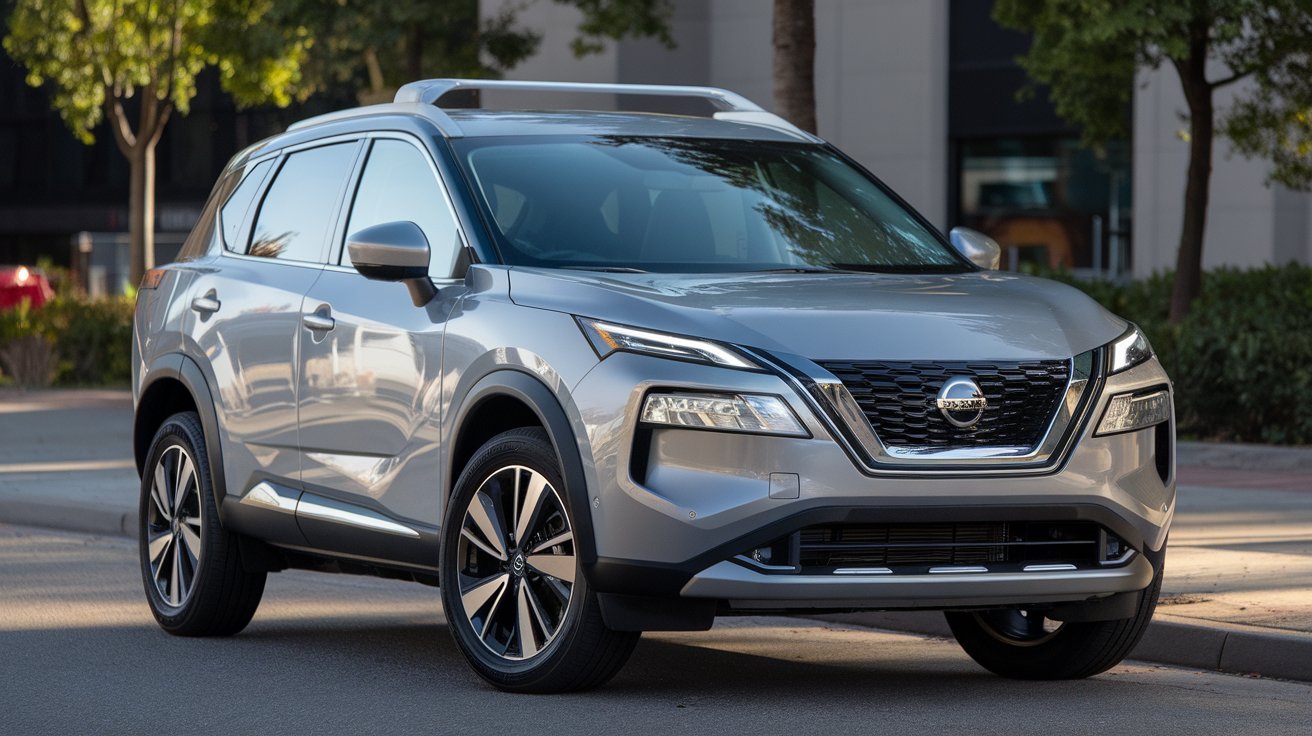
The 2022 Nissan Rogue Sport is a compact crossover SUV that combines a relatively small exterior footprint with a practical cabin, available all-wheel drive, and a conventional gasoline engine. For buyers researching an affordable used SUV in 2026, the 2022 Rogue Sport is especially relevant because it represents the final model year of the Rogue Sport in the United States. Nissan confirms that 2022 was the last year of production for this model.
The Rogue Sport sits below the larger Nissan Rogue and was designed for drivers who wanted an SUV that was easier to maneuver in urban environments while still providing useful passenger and cargo space. Its standard four-cylinder engine and continuously variable transmission (CVT) give it a straightforward powertrain, while available Intelligent All-Wheel Drive (AWD) adds another drivetrain option for buyers who regularly encounter challenging road conditions.
2022 Nissan Rogue Sport Engine and Performance
Every 2022 Nissan Rogue Sport uses a 2.0-liter DOHC four-cylinder engine producing 141 horsepower and 147 lb-ft of torque. Nissan paired this engine with an Xtronic CVT, while both front-wheel drive and available Intelligent AWD were offered.
The naturally aspirated four-cylinder is designed more for everyday transportation than outright performance. It provides enough power for commuting, city driving, and highway travel, but drivers should not expect the acceleration characteristics of a larger turbocharged engine.
The CVT is designed to keep the engine operating efficiently rather than providing traditional fixed gear changes. Drivers accustomed to conventional automatic transmissions may notice a different engine response during acceleration.
Nissan also provided Eco Mode, and the Rogue Sport could be equipped with features intended to tailor the driving experience. Nissan describes the model as offering dynamic handling while maintaining the practicality expected from a compact crossover.
Fuel economy is another part of the Rogue Sport’s appeal. Nissan’s official information states that the model could achieve up to 31 mpg on the highway, although actual fuel consumption varies according to drivetrain, driving conditions, maintenance, weather, traffic, and driving habits.
Rogue Sport Interior, Comfort, and Cargo Space
The 2022 Rogue Sport is compact enough to be convenient in crowded urban areas while retaining a useful SUV-style interior. Nissan lists a 104.2-inch wheelbase, an overall length of 172.8 inches, and a width of 72.3 inches.
Inside, the front seats provide 42.8 inches of legroom, while the rear seats provide 33.4 inches. Front headroom is listed at 39.6 inches without a moonroof, with rear headroom at 38.3 inches.
These dimensions make the Rogue Sport particularly suited to people who want an SUV without moving into the size category of larger family crossovers.
The cabin can also be configured around everyday cargo needs. Folding the rear seating area expands the available cargo area, making the vehicle useful for groceries, luggage, shopping trips, and recreational equipment.
The 2022 model was offered in S, SV, and SL trim levels. Equipment varies according to trim, so used buyers should check the specific vehicle rather than assuming that every Rogue Sport has identical features.
2022 Nissan Rogue Sport Technology and Features
Technology varies significantly by trim, but the Rogue Sport was designed to provide the convenience features expected from a modern compact SUV.
Depending on configuration, buyers could find features such as a touchscreen infotainment system, smartphone connectivity, navigation-related equipment, upgraded audio, keyless entry, push-button starting, and other convenience technologies.
The SV and SL trims generally provide more equipment than the entry-level S, making trim selection important when comparing used examples.
In 2026, however, buyers should remember that a 2022 vehicle’s technology may not match the capabilities of the newest SUVs. Features such as newer infotainment interfaces, advanced smartphone integration, expanded driver-assistance systems, and larger displays have continued to evolve.
For used-car shoppers, the best approach is to inspect the actual vehicle and verify that all screens, cameras, speakers, USB ports, climate controls, steering-wheel controls, and driver-assistance features operate correctly.
2022 Rogue Sport Safety Features and IIHS Ratings
Safety is an important consideration when evaluating any used SUV. The Insurance Institute for Highway Safety (IIHS) tested the Rogue Sport and provides ratings covering several crashworthiness categories.
For the 2022 model, IIHS lists Good ratings for the driver-side small-overlap front test, passenger-side small-overlap front test, original moderate-overlap front test, and original side test.
The Rogue Sport also came with several standard safety technologies. IIHS identifies standard blind-spot detection, lane-departure warning and prevention, and rear automatic braking among the available safety equipment for the model.
The IIHS information also identifies automatic emergency braking with pedestrian detection as a standard front crash-prevention system for 2020–2022 Rogue Sport models. The organization notes that this particular system was not tested for an overall front-crash-prevention rating.
It is worth distinguishing the Rogue Sport from the larger Nissan Rogue when researching 2022 IIHS awards. The 2022 Nissan Rogue was listed as a Top Safety Pick+ in the small-SUV category, but that award does not automatically apply to the similarly named Rogue Sport.
2022 Nissan Rogue Sport Reliability and Maintenance
In 2026, the condition of an individual Rogue Sport matters considerably more than simply looking at its model year. A 2022 vehicle may have relatively low mileage or may have been driven extensively, so maintenance records should be examined carefully.
The 2.0-liter engine should be inspected for leaks, unusual noises, rough running, warning lights, and evidence of neglected maintenance. The CVT also deserves attention during a test drive. Acceleration should be smooth, without unusual noises, hesitation, or warning messages.
We should also inspect:
- Engine oil and maintenance history
- Transmission/CVT operation
- Brake pads and rotors
- Tires and wheel alignment
- Suspension components
- Battery condition
- Air-conditioning performance
- Infotainment equipment
- Backup camera
- Driver-assistance systems
- AWD components on AWD models
- Evidence of accident repairs or water damage
A pre-purchase inspection from an independent mechanic can be particularly valuable when buying a used Rogue Sport.
2022 Nissan Rogue Sport S, SV, and SL Trims
The 2022 Rogue Sport was available in three principal trims: S, SV, and SL. Nissan’s specifications show that all three trims used the same 2.0-liter engine and Xtronic CVT, with FWD standard and Intelligent AWD available.
The S is the entry-level configuration and focuses on providing the fundamental Rogue Sport package. The SV adds additional convenience and technology equipment, while the SL represents the more highly equipped version.
When shopping for a used 2022 model, trim should be considered alongside mileage, maintenance history, condition, drivetrain, accident history, and equipment. A well-maintained lower trim can have greater practical value than a higher trim that has been poorly maintained.
Is the 2022 Nissan Rogue Sport Still Relevant in 2026?
The 2022 Nissan Rogue Sport remains relevant in the used-SUV market because it combines compact dimensions with crossover practicality and an available AWD system. It also has the distinction of being the final Rogue Sport model year, as Nissan discontinued the model after 2022.
Its 2.0-liter engine produces 141 horsepower, while the CVT provides the familiar efficiency-oriented driving characteristics of the model. The cabin offers useful passenger dimensions, and the available safety equipment includes several driver-assistance technologies.
At the same time, buyers should understand what the vehicle is designed to do. It is a compact crossover, not a high-performance SUV or a three-row family vehicle. The naturally aspirated engine prioritizes everyday usability over strong acceleration.
For someone considering one in 2026, the most important checks are vehicle condition, service history, mileage, drivetrain, safety-equipment operation, and a VIN-based recall check. Nissan’s official documentation and the vehicle’s maintenance records should be consulted before purchase.
Frequently Asked Questions About the 2022 Nissan Rogue Sport
What engine does the 2022 Nissan Rogue Sport have?
The 2022 Rogue Sport uses a 2.0-liter four-cylinder engine producing 141 horsepower and 147 lb-ft of torque.
Does the 2022 Rogue Sport have AWD?
Yes. Intelligent AWD was available, while front-wheel drive was standard.
Is 2022 the last year of the Rogue Sport?
Yes. Nissan identifies 2022 as the final production year for the Rogue Sport.
How many trims did the 2022 Rogue Sport have?
The 2022 model was offered in S, SV, and SL trims.
What is the 2022 Rogue Sport’s highway fuel economy?
Nissan states that the Rogue Sport could achieve up to 31 mpg on the highway, depending on configuration and driving conditions.
Is the 2022 Nissan Rogue Sport safe?
IIHS reports Good crashworthiness ratings in several major test categories, including driver- and passenger-side small-overlap front tests, the original moderate-overlap front test, and the original side test.
Is the 2022 Rogue Sport the same as the 2022 Nissan Rogue?
No. They are different vehicles. The Rogue Sport is the smaller crossover, while the Rogue is a larger model. Their safety ratings and specifications should therefore be researched separately.
What should we check before buying a used 2022 Rogue Sport?
Check the maintenance history, CVT operation, engine condition, brakes, tires, suspension, electronics, safety systems, accident history, and VIN-specific recall information. A professional inspection can provide additional information before completing a purchase.
The 2022 Nissan Rogue Sport represents the final chapter of Nissan’s compact Rogue Sport line in the United States. With its 2.0-liter four-cylinder engine, CVT, available AWD, compact dimensions, practical interior, and broad selection of safety technology, it remains a vehicle worth researching in the 2026 used-car market. Its age is still relatively modest compared with many used vehicles, but condition and maintenance history remain essential when evaluating any individual example.

The difference between “you to” and “you too” is small in spelling but important in English grammar. Both expressions sound the same when spoken, which is why they are frequently confused in text messages, social media comments, emails, and everyday writing. However, “too” and “to” have completely different grammatical functions.
In most situations where someone is returning a greeting, good wish, compliment, or sentiment, the correct expression is “you too.” It means “you also,” “you as well,” or “the same to you.” By contrast, “you to” is normally part of a longer grammatical construction, especially when to introduces a verb, as in “I want you to come.” Current English grammar references consistently make this distinction.
What Does “You Too” Mean?
“You too” means “you also” or “the same to you.” It is commonly used as a short response when another person gives us a greeting, wish, compliment, or similar positive statement.
For example:
- “Have a great day!” — “You too!”
- “Have a wonderful weekend!” — “You too!”
- “Good luck with your exam!” — “You too!”
- “Take care!” — “You too!”
- “Enjoy your vacation!” — “You too!”
In each example, too means “also” or “as well.” The response is shortened because the rest of the meaning is already understood from the previous sentence. “Have a great day!” followed by “You too!” effectively means, “I hope you have a great day too.”
This is why “you too” is the natural choice when we want to return a good wish. Writing “you to” in the same situation changes the grammatical function of the word and produces a spelling error.
What Does “You To” Mean?
Unlike “you too,” “you to” is usually not a complete expression by itself. Instead, these words can appear together as part of a longer sentence.
The word “to” commonly functions as a preposition or as the marker introducing an infinitive verb. For example:
- “I want you to help me.”
- “She asked you to wait.”
- “We need you to arrive early.”
- “They expect you to finish the work.”
- “I would like you to join us.”
In these examples, to belongs with the verb that follows it: to help, to wait, to arrive, to finish, and to join. It does not mean “also.”
This gives us a simple distinction: “too” expresses addition or similarity, while “to” performs a grammatical function within the sentence.
It is therefore incorrect to say “Have a nice day! — You to!” when the intended meaning is “the same to you.” The correct reply is “You too!”
You Too vs. You To: The Main Difference
The easiest way to understand the difference is to replace too with “also.” If the sentence still makes sense, “too” is probably the correct word.
For example:
“Have a great weekend. You too!”
We can mentally expand this to:
“Have a great weekend. You also!”
The shortened version is natural because the rest of the sentence is understood.
Now consider:
“I need you to call me.”
We cannot replace “to” with “too”:
“I need you too call me.” ❌
The correct construction is “you to call” because “to” introduces the infinitive “to call.”
A quick comparison makes the rule clearer:
| Expression | Function | Example |
|---|---|---|
| You too | Means “you also” | “Have fun!” — “You too!” |
| You to | Part of a longer grammatical structure | “I want you to come.” |
| Too | Means also/as well | “I like it too.” |
| To | Preposition or infinitive marker | “I want to go.” |
The two words sound alike in normal speech, but their written forms and grammatical roles are different.
When Is “You To” Correct?
It is important not to say that “you to” is always wrong. The combination can be completely correct when it appears inside a properly constructed sentence.
One of the most common patterns is:
subject + verb + you + to + verb
Examples include:
- “I want you to understand.”
- “She needs you to listen.”
- “They asked you to stay.”
- “We expect you to arrive on time.”
- “He told you to be careful.”
- “I would like you to review the document.”
Here, “to” is connected to the verb that follows it. The phrase “you to” does not mean “you also.”
“To” can also occur in other grammatical structures involving the pronoun “you.” For example, “I sent the message to you” uses “to” as a preposition indicating the recipient. The word order in that example is to you, not “you to.”
Therefore, we should look at the complete sentence, rather than judging the two words in isolation.
Common “You Too” and “You To” Mistakes
The most common mistake occurs when someone responds to a good wish using “you to.”
Incorrect:
“Have a nice evening!”
“You to!”
Correct:
“Have a nice evening!”
“You too!”
Another common error happens when someone uses “too” before a verb.
Incorrect:
“I need you too help me.”
Correct:
“I need you to help me.”
Here, to help is an infinitive construction, so “too” cannot be substituted for “to.”
Autocorrect and fast typing can also contribute to the confusion because “to” and “too” sound identical in ordinary speech. Since the extra “o” cannot be heard, writers need to rely on the grammatical context when choosing the spelling.
A useful proofreading habit is to ask what we mean. If we mean “also” or “as well,” use “too.” If the word introduces an infinitive or functions as a preposition, use “to.”
“You Too” in Text Messages, Emails, and Everyday English
“You too” works naturally in both informal and many professional situations. It is common in text messages, conversations, emails, customer interactions, and social media.
For example:
Text message:
“Have a safe trip!”
“You too!”
Email:
“Have a great weekend.”
“You too, thank you.”
Conversation:
“Good luck today!”
“You too!”
The phrase can also respond to compliments or shared feelings:
“I’m happy to see you.”
“You too.”
“I really enjoyed working with you.”
“You too.”
The exact meaning depends on the preceding statement, but the central idea remains reciprocity or addition.
There is no major British-versus-American spelling difference here. Both varieties use “you too” and “you to” according to the same grammatical principles.
Easy Ways to Remember “You Too” or “You To”
We can use a few simple tests to avoid the mistake.
Test 1: Replace “too” with “also”
If “also” works, choose too.
“Have a good day!” — “You too!”
This means “You also.”
Test 2: Look for a verb after “to”
If the construction is you + to + verb, “to” is generally the correct form.
“I want you to learn.”
“She asked you to wait.”
“We need you to help.”
Test 3: Check whether it is a short reply
If someone says:
- “Have fun!”
- “Good luck!”
- “Take care!”
- “Have a great weekend!”
and we want to return the same sentiment, the natural response is “You too!”
Test 4: Read the complete sentence
Never decide based solely on pronunciation. Because to and too sound alike, the surrounding words provide the grammatical clue.
Frequently Asked Questions About You To and You Too
Is “you too” correct?
Yes. “You too” is correct when it means “you also,” “you as well,” or “the same to you.” It is especially common as a response to greetings and good wishes.
Is “you to” ever correct?
Yes. “You to” can be grammatically correct as part of a longer sentence, such as “I want you to come” or “We need you to help.”
Should we write “you too” after “Have a nice day”?
Yes. The natural response is “You too!” because “too” means “also.”
Why do people confuse “to” and “too”?
The main reason is pronunciation. “To” and “too” sound the same in ordinary speech, even though they have different spellings and grammatical functions.
Is “you too” formal or informal?
“You too” can be used in both casual and professional communication. The surrounding conversation determines whether the overall tone is formal.
What is an easy trick for remembering the difference?
Remember: “too” = also. If you can replace the word with “also,” choose too. If the word introduces an action, as in “you to help,” choose to.
Conclusion
The difference between “you too” and “you to” becomes simple once we focus on meaning and grammar. “You too” means “you also” or “the same to you” and is the correct response when returning a greeting, compliment, or good wish. “You to,” meanwhile, normally appears inside a longer sentence, particularly before a verb in an infinitive construction.
The key rule is easy to remember: when the intended meaning is “also” or “as well,” use “too.” When to introduces an action or performs another grammatical function, use “to.” By checking the complete sentence rather than relying on pronunciation, we can consistently choose the correct form in texts, emails, social media posts, schoolwork, and professional writing.

Frances Tiafoe: Biography, Age, Ranking, Tennis Career, Achievements, and Personal Life (2026)

Doeda: Meaning, Website Overview, Features, and Online Safety Guide (2026)

Facebook Marketplace Boise 2026: Buy and Sell Locally

MyGreenBucks Net Jones: Latest News, Financial Insights, Features, and Everything You Need to Know

Who Is Martie Allen? Everything About Kristy McNichol’s Partner

Pyntekvister: A Complete Guide to Decorative Branches, Creative Home Décor Ideas, and Natural Interior Styling
 Business3 months ago
MyGreenBucks Net Jones: Latest News, Financial Insights, Features, and Everything You Need to Know
- Celebrity4 months ago
Who Is Martie Allen? Everything About Kristy McNichol’s Partner
- Home Improvement4 months ago
Pyntekvister: A Complete Guide to Decorative Branches, Creative Home Décor Ideas, and Natural Interior Styling
- Business3 months ago
TTweakFlight Discount Code from TravelTweaks: Complete Guide to Saving More on Flights and Travel Deals
- Celebrity4 months ago
Who Is David Sanov? All About Alison Sweeney’s Husband
- Celebrity3 months ago
Jocelyne Desrouleaux: A Comprehensive Biography, Career, Legacy, and Lasting Influence
- Blog3 months ago
About ThriftyEvents.net: The Complete 2026 Guide to Budget Event Planning, AI-Powered Content Creation, and Digital Innovation
- Blog3 months ago
Forest or Forrest? Understanding the Difference, Correct Spelling, Meaning, and Usage (2026 Guide)