Blog
Blog ThriftyEvents.net: A Practical Guide to Affordable Event Planning in 2026


Planning a memorable event does not have to mean spending beyond our budget. Whether we are organizing a birthday celebration, wedding, corporate gathering, community fundraiser, or casual get-together, the right approach allows us to create an enjoyable experience while keeping costs under control. Blog ThriftyEvents.net is a useful topic for readers interested in affordable event ideas, practical planning advice, and creative ways to make every occasion feel special. In 2026, we can approach event planning with a stronger focus on value, personalization, sustainability, and smart spending.
A successful event is not defined by how much money we spend. It is defined by how well we understand our guests, organize the details, and create an atmosphere that people remember. By combining thoughtful preparation with affordable alternatives, we can achieve a polished result without unnecessary expenses. This guide explores the essential principles of thrifty event planning, from budgeting and venue selection to food, décor, entertainment, and post-event evaluation.
What Is Thrifty Event Planning and Why Does It Matter?
Thrifty event planning means making deliberate decisions that deliver the greatest value for the available budget. It is not simply about choosing the cheapest option. Instead, we focus on quality, usefulness, and guest experience while avoiding expenses that do not contribute meaningfully to the occasion.
For example, a smaller venue with a welcoming atmosphere may be more effective than an expensive location that requires additional decoration. Similarly, a carefully selected menu can satisfy guests more successfully than an oversized catering package with unnecessary extras. The goal is to spend where it matters and save where practical alternatives are available.
This approach is increasingly relevant in 2026 as individuals, families, and organizations look for ways to manage rising event costs. A well-planned budget helps us make confident decisions, reduce waste, and avoid last-minute purchases. It also encourages creativity, allowing us to discover solutions that are both economical and memorable.
How We Can Create a Realistic Event Budget
The foundation of an affordable event is a clear and realistic budget. Before booking services or purchasing supplies, we should determine how much we can comfortably spend and identify the most important priorities.
A useful starting point is to divide the budget into categories such as:
- Venue and equipment
- Food and beverages
- Decorations and furniture
- Entertainment and activities
- Invitations and communication
- Transportation and accommodation
- Emergency expenses
We should also include a small contingency fund for unexpected costs. Even a modest reserve can help us manage last-minute changes without disrupting the entire plan.
Once the categories are established, we can compare prices and decide where flexibility is possible. For instance, we may choose to invest more in food while using simple decorations, or prioritize entertainment while selecting a less expensive venue. This method ensures that our spending reflects the purpose of the event rather than impulse purchases.
Affordable Venue Ideas for Different Types of Events
The venue often represents one of the largest event expenses, but there are several ways to reduce this cost without compromising the experience. We can consider community halls, public gardens, private homes, school facilities, local clubs, or shared event spaces, depending on the occasion and local availability.
For smaller gatherings, a home-based event can provide a comfortable and personal setting. Outdoor spaces may also be attractive for daytime celebrations, although we should always consider weather conditions, accessibility, and available facilities.
When comparing venues, we should look beyond the rental price. A location that includes tables, chairs, lighting, or basic sound equipment may offer better overall value than a cheaper space requiring additional rentals. We should also confirm the venue’s capacity, parking arrangements, accessibility, and cancellation policy before making a commitment.
Choosing the right venue is about balancing cost, convenience, and atmosphere. A practical location that suits our guests can make the entire event easier to manage.
Creative Décor That Looks Expensive Without the High Cost
Décor helps establish the mood of an event, but an impressive appearance does not require an unlimited budget. We can create a cohesive look by selecting a simple color palette, theme, and focal point rather than purchasing large quantities of unrelated decorations.
Reusable items such as fabric table runners, glass containers, artificial flowers, string lights, and decorative signage can be valuable for future occasions. We can also use seasonal materials, handmade centerpieces, and carefully arranged furniture to create an inviting atmosphere.
Another effective strategy is to focus on a few high-impact areas. A decorated entrance, attractive food table, or well-designed photo backdrop can make a stronger impression than decorating every corner of the venue. We should also consider borrowing items from friends or family, renting reusable supplies, or purchasing secondhand décor when appropriate.
Thoughtful arrangement often matters more than expensive materials. By keeping the design consistent and avoiding unnecessary clutter, we can achieve a polished result at a fraction of the cost.
Budget-Friendly Food and Beverage Planning
Food is one of the most important parts of many events, and careful planning can help us control expenses while keeping guests satisfied. We should begin by estimating the number of attendees accurately and choosing a menu that suits the event’s format.
For informal gatherings, a buffet, shared meal, or carefully selected finger-food menu may be more economical than a formal plated service. We can also consider seasonal ingredients, locally available products, and dishes that can be prepared in advance.
When planning beverages, we should offer a balanced selection rather than purchasing more options than necessary. Water, tea, coffee, and a few suitable refreshments may be sufficient for many occasions. We should also account for dietary requirements and communicate with guests when appropriate.
To reduce waste, we can avoid over-ordering and use practical serving portions. Reusable serving equipment can also reduce the need for repeated purchases. The best food plan is one that combines good taste, appropriate quantity, and efficient preparation.
Entertainment and Activities That Add Real Value
Entertainment does not always require professional performers or expensive equipment. We can create engaging experiences through interactive games, music playlists, themed activities, storytelling, photo opportunities, and simple competitions.
The most effective activities depend on the audience. A children’s event may benefit from creative games and craft stations, while a corporate gathering may be more successful with team-building activities or a short presentation. For a family celebration, a memory-sharing session or personalized quiz can create meaningful moments.
We should also consider the event’s schedule. Too many activities can make an occasion feel rushed, while too little structure may leave guests uncertain about what to do. A balanced program with time for conversation, food, and participation usually works well.
The best entertainment encourages guests to connect. By focusing on participation rather than expensive equipment, we can create memorable experiences with limited resources.
How We Can Make Events More Sustainable in 2026
Affordable event planning and sustainability often work together. By reducing waste and choosing reusable materials, we can lower costs while making more responsible decisions.
We can begin by using digital invitations, reusable decorations, and durable serving items. When disposable products are necessary, we should select practical options and avoid excessive packaging. We can also donate suitable leftover food, recycle materials where possible, and plan purchases carefully to prevent unnecessary waste.
Local sourcing can also support both sustainability and affordability. Choosing nearby suppliers may reduce transportation costs and make it easier to coordinate deliveries. Similarly, selecting seasonal flowers or locally available ingredients can provide a more distinctive and economical event experience.
Sustainable planning is not about perfection. It is about making practical improvements that benefit our budget, our guests, and the environment.
Final Thoughts on Blog ThriftyEvents.net
Thrifty event planning allows us to create meaningful occasions without allowing expenses to control every decision. By establishing a realistic budget, selecting a suitable venue, using creative décor, planning food carefully, and choosing engaging activities, we can deliver an event that feels thoughtful and well organized.
In 2026, the strongest approach is to combine practical budgeting with creativity and personalization. We should focus on what our guests will genuinely appreciate rather than spending money simply to appear impressive. With careful preparation and a willingness to explore alternatives, we can make celebrations, gatherings, and professional events both affordable and memorable.
Frequently Asked Questions
What is the main idea behind thrifty event planning?
Thrifty event planning focuses on achieving a successful event through smart budgeting, creative alternatives, and careful spending rather than relying on expensive services.
How can we reduce event costs without making the occasion feel cheap?
We can prioritize important elements such as food, comfort, and guest experience while using simple décor, affordable venues, and meaningful activities.
What is the best way to begin planning an affordable event?
We should start by defining the event’s purpose, estimating the guest count, setting a realistic budget, and identifying the most important expenses.
Can sustainable event planning also save money?
Yes. Reusable decorations, digital invitations, reduced waste, and locally sourced materials can often help us lower costs while making more responsible choices.
What makes an event memorable on a limited budget?
A welcoming atmosphere, thoughtful organization, personalized details, and opportunities for guests to connect often create a stronger impression than expensive decorations or entertainment.


Blog
2022 Nissan Rogue Sport: Complete Guide to Specs, Features, Performance, Safety, and Ownership in 2026
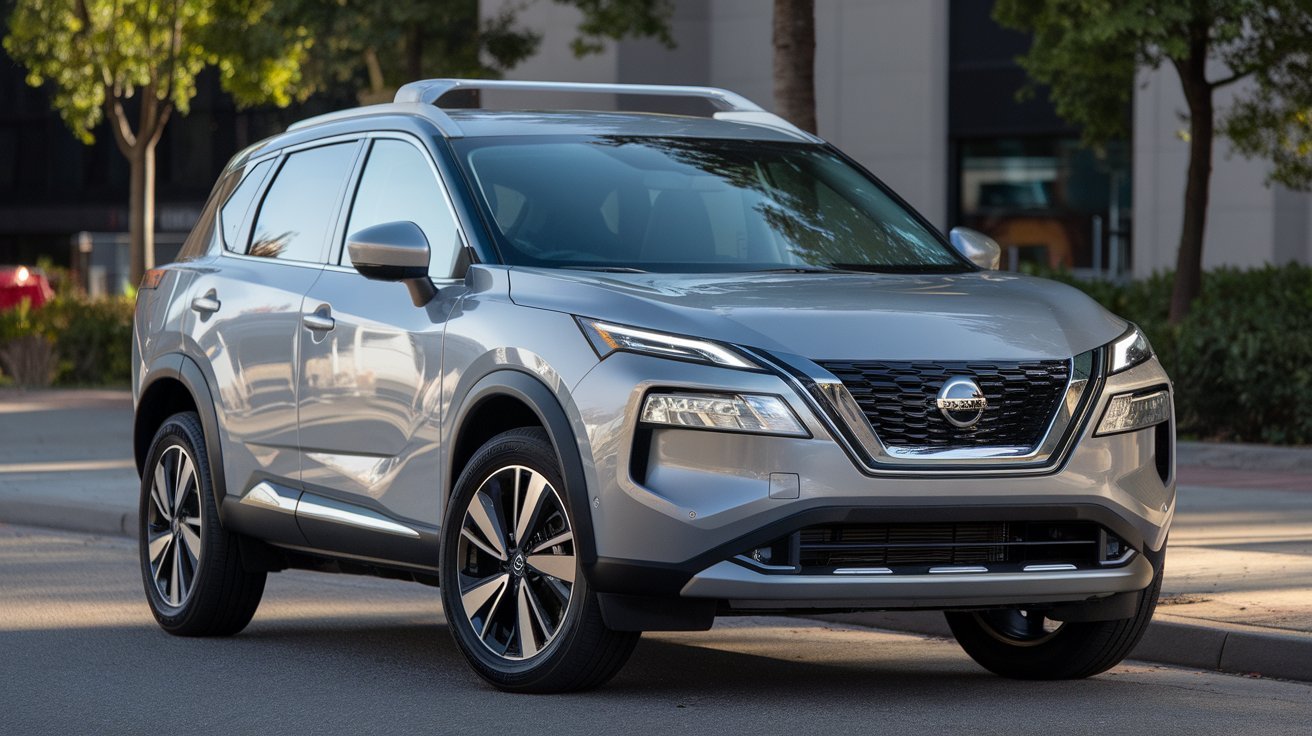
The 2022 Nissan Rogue Sport is a compact crossover SUV that combines a relatively small exterior footprint with a practical cabin, available all-wheel drive, and a conventional gasoline engine. For buyers researching an affordable used SUV in 2026, the 2022 Rogue Sport is especially relevant because it represents the final model year of the Rogue Sport in the United States. Nissan confirms that 2022 was the last year of production for this model.
The Rogue Sport sits below the larger Nissan Rogue and was designed for drivers who wanted an SUV that was easier to maneuver in urban environments while still providing useful passenger and cargo space. Its standard four-cylinder engine and continuously variable transmission (CVT) give it a straightforward powertrain, while available Intelligent All-Wheel Drive (AWD) adds another drivetrain option for buyers who regularly encounter challenging road conditions.
2022 Nissan Rogue Sport Engine and Performance
Every 2022 Nissan Rogue Sport uses a 2.0-liter DOHC four-cylinder engine producing 141 horsepower and 147 lb-ft of torque. Nissan paired this engine with an Xtronic CVT, while both front-wheel drive and available Intelligent AWD were offered.
The naturally aspirated four-cylinder is designed more for everyday transportation than outright performance. It provides enough power for commuting, city driving, and highway travel, but drivers should not expect the acceleration characteristics of a larger turbocharged engine.
The CVT is designed to keep the engine operating efficiently rather than providing traditional fixed gear changes. Drivers accustomed to conventional automatic transmissions may notice a different engine response during acceleration.
Nissan also provided Eco Mode, and the Rogue Sport could be equipped with features intended to tailor the driving experience. Nissan describes the model as offering dynamic handling while maintaining the practicality expected from a compact crossover.
Fuel economy is another part of the Rogue Sport’s appeal. Nissan’s official information states that the model could achieve up to 31 mpg on the highway, although actual fuel consumption varies according to drivetrain, driving conditions, maintenance, weather, traffic, and driving habits.
Rogue Sport Interior, Comfort, and Cargo Space
The 2022 Rogue Sport is compact enough to be convenient in crowded urban areas while retaining a useful SUV-style interior. Nissan lists a 104.2-inch wheelbase, an overall length of 172.8 inches, and a width of 72.3 inches.
Inside, the front seats provide 42.8 inches of legroom, while the rear seats provide 33.4 inches. Front headroom is listed at 39.6 inches without a moonroof, with rear headroom at 38.3 inches.
These dimensions make the Rogue Sport particularly suited to people who want an SUV without moving into the size category of larger family crossovers.
The cabin can also be configured around everyday cargo needs. Folding the rear seating area expands the available cargo area, making the vehicle useful for groceries, luggage, shopping trips, and recreational equipment.
The 2022 model was offered in S, SV, and SL trim levels. Equipment varies according to trim, so used buyers should check the specific vehicle rather than assuming that every Rogue Sport has identical features.
2022 Nissan Rogue Sport Technology and Features
Technology varies significantly by trim, but the Rogue Sport was designed to provide the convenience features expected from a modern compact SUV.
Depending on configuration, buyers could find features such as a touchscreen infotainment system, smartphone connectivity, navigation-related equipment, upgraded audio, keyless entry, push-button starting, and other convenience technologies.
The SV and SL trims generally provide more equipment than the entry-level S, making trim selection important when comparing used examples.
In 2026, however, buyers should remember that a 2022 vehicle’s technology may not match the capabilities of the newest SUVs. Features such as newer infotainment interfaces, advanced smartphone integration, expanded driver-assistance systems, and larger displays have continued to evolve.
For used-car shoppers, the best approach is to inspect the actual vehicle and verify that all screens, cameras, speakers, USB ports, climate controls, steering-wheel controls, and driver-assistance features operate correctly.
2022 Rogue Sport Safety Features and IIHS Ratings
Safety is an important consideration when evaluating any used SUV. The Insurance Institute for Highway Safety (IIHS) tested the Rogue Sport and provides ratings covering several crashworthiness categories.
For the 2022 model, IIHS lists Good ratings for the driver-side small-overlap front test, passenger-side small-overlap front test, original moderate-overlap front test, and original side test.
The Rogue Sport also came with several standard safety technologies. IIHS identifies standard blind-spot detection, lane-departure warning and prevention, and rear automatic braking among the available safety equipment for the model.
The IIHS information also identifies automatic emergency braking with pedestrian detection as a standard front crash-prevention system for 2020–2022 Rogue Sport models. The organization notes that this particular system was not tested for an overall front-crash-prevention rating.
It is worth distinguishing the Rogue Sport from the larger Nissan Rogue when researching 2022 IIHS awards. The 2022 Nissan Rogue was listed as a Top Safety Pick+ in the small-SUV category, but that award does not automatically apply to the similarly named Rogue Sport.
2022 Nissan Rogue Sport Reliability and Maintenance
In 2026, the condition of an individual Rogue Sport matters considerably more than simply looking at its model year. A 2022 vehicle may have relatively low mileage or may have been driven extensively, so maintenance records should be examined carefully.
The 2.0-liter engine should be inspected for leaks, unusual noises, rough running, warning lights, and evidence of neglected maintenance. The CVT also deserves attention during a test drive. Acceleration should be smooth, without unusual noises, hesitation, or warning messages.
We should also inspect:
- Engine oil and maintenance history
- Transmission/CVT operation
- Brake pads and rotors
- Tires and wheel alignment
- Suspension components
- Battery condition
- Air-conditioning performance
- Infotainment equipment
- Backup camera
- Driver-assistance systems
- AWD components on AWD models
- Evidence of accident repairs or water damage
A pre-purchase inspection from an independent mechanic can be particularly valuable when buying a used Rogue Sport.
2022 Nissan Rogue Sport S, SV, and SL Trims
The 2022 Rogue Sport was available in three principal trims: S, SV, and SL. Nissan’s specifications show that all three trims used the same 2.0-liter engine and Xtronic CVT, with FWD standard and Intelligent AWD available.
The S is the entry-level configuration and focuses on providing the fundamental Rogue Sport package. The SV adds additional convenience and technology equipment, while the SL represents the more highly equipped version.
When shopping for a used 2022 model, trim should be considered alongside mileage, maintenance history, condition, drivetrain, accident history, and equipment. A well-maintained lower trim can have greater practical value than a higher trim that has been poorly maintained.
Is the 2022 Nissan Rogue Sport Still Relevant in 2026?
The 2022 Nissan Rogue Sport remains relevant in the used-SUV market because it combines compact dimensions with crossover practicality and an available AWD system. It also has the distinction of being the final Rogue Sport model year, as Nissan discontinued the model after 2022.
Its 2.0-liter engine produces 141 horsepower, while the CVT provides the familiar efficiency-oriented driving characteristics of the model. The cabin offers useful passenger dimensions, and the available safety equipment includes several driver-assistance technologies.
At the same time, buyers should understand what the vehicle is designed to do. It is a compact crossover, not a high-performance SUV or a three-row family vehicle. The naturally aspirated engine prioritizes everyday usability over strong acceleration.
For someone considering one in 2026, the most important checks are vehicle condition, service history, mileage, drivetrain, safety-equipment operation, and a VIN-based recall check. Nissan’s official documentation and the vehicle’s maintenance records should be consulted before purchase.
Frequently Asked Questions About the 2022 Nissan Rogue Sport
What engine does the 2022 Nissan Rogue Sport have?
The 2022 Rogue Sport uses a 2.0-liter four-cylinder engine producing 141 horsepower and 147 lb-ft of torque.
Does the 2022 Rogue Sport have AWD?
Yes. Intelligent AWD was available, while front-wheel drive was standard.
Is 2022 the last year of the Rogue Sport?
Yes. Nissan identifies 2022 as the final production year for the Rogue Sport.
How many trims did the 2022 Rogue Sport have?
The 2022 model was offered in S, SV, and SL trims.
What is the 2022 Rogue Sport’s highway fuel economy?
Nissan states that the Rogue Sport could achieve up to 31 mpg on the highway, depending on configuration and driving conditions.
Is the 2022 Nissan Rogue Sport safe?
IIHS reports Good crashworthiness ratings in several major test categories, including driver- and passenger-side small-overlap front tests, the original moderate-overlap front test, and the original side test.
Is the 2022 Rogue Sport the same as the 2022 Nissan Rogue?
No. They are different vehicles. The Rogue Sport is the smaller crossover, while the Rogue is a larger model. Their safety ratings and specifications should therefore be researched separately.
What should we check before buying a used 2022 Rogue Sport?
Check the maintenance history, CVT operation, engine condition, brakes, tires, suspension, electronics, safety systems, accident history, and VIN-specific recall information. A professional inspection can provide additional information before completing a purchase.
The 2022 Nissan Rogue Sport represents the final chapter of Nissan’s compact Rogue Sport line in the United States. With its 2.0-liter four-cylinder engine, CVT, available AWD, compact dimensions, practical interior, and broad selection of safety technology, it remains a vehicle worth researching in the 2026 used-car market. Its age is still relatively modest compared with many used vehicles, but condition and maintenance history remain essential when evaluating any individual example.

The difference between “you to” and “you too” is small in spelling but important in English grammar. Both expressions sound the same when spoken, which is why they are frequently confused in text messages, social media comments, emails, and everyday writing. However, “too” and “to” have completely different grammatical functions.
In most situations where someone is returning a greeting, good wish, compliment, or sentiment, the correct expression is “you too.” It means “you also,” “you as well,” or “the same to you.” By contrast, “you to” is normally part of a longer grammatical construction, especially when to introduces a verb, as in “I want you to come.” Current English grammar references consistently make this distinction.
What Does “You Too” Mean?
“You too” means “you also” or “the same to you.” It is commonly used as a short response when another person gives us a greeting, wish, compliment, or similar positive statement.
For example:
- “Have a great day!” — “You too!”
- “Have a wonderful weekend!” — “You too!”
- “Good luck with your exam!” — “You too!”
- “Take care!” — “You too!”
- “Enjoy your vacation!” — “You too!”
In each example, too means “also” or “as well.” The response is shortened because the rest of the meaning is already understood from the previous sentence. “Have a great day!” followed by “You too!” effectively means, “I hope you have a great day too.”
This is why “you too” is the natural choice when we want to return a good wish. Writing “you to” in the same situation changes the grammatical function of the word and produces a spelling error.
What Does “You To” Mean?
Unlike “you too,” “you to” is usually not a complete expression by itself. Instead, these words can appear together as part of a longer sentence.
The word “to” commonly functions as a preposition or as the marker introducing an infinitive verb. For example:
- “I want you to help me.”
- “She asked you to wait.”
- “We need you to arrive early.”
- “They expect you to finish the work.”
- “I would like you to join us.”
In these examples, to belongs with the verb that follows it: to help, to wait, to arrive, to finish, and to join. It does not mean “also.”
This gives us a simple distinction: “too” expresses addition or similarity, while “to” performs a grammatical function within the sentence.
It is therefore incorrect to say “Have a nice day! — You to!” when the intended meaning is “the same to you.” The correct reply is “You too!”
You Too vs. You To: The Main Difference
The easiest way to understand the difference is to replace too with “also.” If the sentence still makes sense, “too” is probably the correct word.
For example:
“Have a great weekend. You too!”
We can mentally expand this to:
“Have a great weekend. You also!”
The shortened version is natural because the rest of the sentence is understood.
Now consider:
“I need you to call me.”
We cannot replace “to” with “too”:
“I need you too call me.” ❌
The correct construction is “you to call” because “to” introduces the infinitive “to call.”
A quick comparison makes the rule clearer:
| Expression | Function | Example |
|---|---|---|
| You too | Means “you also” | “Have fun!” — “You too!” |
| You to | Part of a longer grammatical structure | “I want you to come.” |
| Too | Means also/as well | “I like it too.” |
| To | Preposition or infinitive marker | “I want to go.” |
The two words sound alike in normal speech, but their written forms and grammatical roles are different.
When Is “You To” Correct?
It is important not to say that “you to” is always wrong. The combination can be completely correct when it appears inside a properly constructed sentence.
One of the most common patterns is:
subject + verb + you + to + verb
Examples include:
- “I want you to understand.”
- “She needs you to listen.”
- “They asked you to stay.”
- “We expect you to arrive on time.”
- “He told you to be careful.”
- “I would like you to review the document.”
Here, “to” is connected to the verb that follows it. The phrase “you to” does not mean “you also.”
“To” can also occur in other grammatical structures involving the pronoun “you.” For example, “I sent the message to you” uses “to” as a preposition indicating the recipient. The word order in that example is to you, not “you to.”
Therefore, we should look at the complete sentence, rather than judging the two words in isolation.
Common “You Too” and “You To” Mistakes
The most common mistake occurs when someone responds to a good wish using “you to.”
Incorrect:
“Have a nice evening!”
“You to!”
Correct:
“Have a nice evening!”
“You too!”
Another common error happens when someone uses “too” before a verb.
Incorrect:
“I need you too help me.”
Correct:
“I need you to help me.”
Here, to help is an infinitive construction, so “too” cannot be substituted for “to.”
Autocorrect and fast typing can also contribute to the confusion because “to” and “too” sound identical in ordinary speech. Since the extra “o” cannot be heard, writers need to rely on the grammatical context when choosing the spelling.
A useful proofreading habit is to ask what we mean. If we mean “also” or “as well,” use “too.” If the word introduces an infinitive or functions as a preposition, use “to.”
“You Too” in Text Messages, Emails, and Everyday English
“You too” works naturally in both informal and many professional situations. It is common in text messages, conversations, emails, customer interactions, and social media.
For example:
Text message:
“Have a safe trip!”
“You too!”
Email:
“Have a great weekend.”
“You too, thank you.”
Conversation:
“Good luck today!”
“You too!”
The phrase can also respond to compliments or shared feelings:
“I’m happy to see you.”
“You too.”
“I really enjoyed working with you.”
“You too.”
The exact meaning depends on the preceding statement, but the central idea remains reciprocity or addition.
There is no major British-versus-American spelling difference here. Both varieties use “you too” and “you to” according to the same grammatical principles.
Easy Ways to Remember “You Too” or “You To”
We can use a few simple tests to avoid the mistake.
Test 1: Replace “too” with “also”
If “also” works, choose too.
“Have a good day!” — “You too!”
This means “You also.”
Test 2: Look for a verb after “to”
If the construction is you + to + verb, “to” is generally the correct form.
“I want you to learn.”
“She asked you to wait.”
“We need you to help.”
Test 3: Check whether it is a short reply
If someone says:
- “Have fun!”
- “Good luck!”
- “Take care!”
- “Have a great weekend!”
and we want to return the same sentiment, the natural response is “You too!”
Test 4: Read the complete sentence
Never decide based solely on pronunciation. Because to and too sound alike, the surrounding words provide the grammatical clue.
Frequently Asked Questions About You To and You Too
Is “you too” correct?
Yes. “You too” is correct when it means “you also,” “you as well,” or “the same to you.” It is especially common as a response to greetings and good wishes.
Is “you to” ever correct?
Yes. “You to” can be grammatically correct as part of a longer sentence, such as “I want you to come” or “We need you to help.”
Should we write “you too” after “Have a nice day”?
Yes. The natural response is “You too!” because “too” means “also.”
Why do people confuse “to” and “too”?
The main reason is pronunciation. “To” and “too” sound the same in ordinary speech, even though they have different spellings and grammatical functions.
Is “you too” formal or informal?
“You too” can be used in both casual and professional communication. The surrounding conversation determines whether the overall tone is formal.
What is an easy trick for remembering the difference?
Remember: “too” = also. If you can replace the word with “also,” choose too. If the word introduces an action, as in “you to help,” choose to.
Conclusion
The difference between “you too” and “you to” becomes simple once we focus on meaning and grammar. “You too” means “you also” or “the same to you” and is the correct response when returning a greeting, compliment, or good wish. “You to,” meanwhile, normally appears inside a longer sentence, particularly before a verb in an infinitive construction.
The key rule is easy to remember: when the intended meaning is “also” or “as well,” use “too.” When to introduces an action or performs another grammatical function, use “to.” By checking the complete sentence rather than relying on pronunciation, we can consistently choose the correct form in texts, emails, social media posts, schoolwork, and professional writing.

TVLIO: Complete Guide to IPTV Streaming, Features, Pricing, Devices, and Safety in 2026

Brumeblog com: Complete Guide to the Website, Content, Categories, and What to Know in 2026

Kecalf Cunningham: Biography, Family, Music Career and Aretha Franklin Legacy in 2026

MyGreenBucks Net Jones: Latest News, Financial Insights, Features, and Everything You Need to Know

Who Is Martie Allen? Everything About Kristy McNichol’s Partner

Pyntekvister: A Complete Guide to Decorative Branches, Creative Home Décor Ideas, and Natural Interior Styling
 Business3 months ago
MyGreenBucks Net Jones: Latest News, Financial Insights, Features, and Everything You Need to Know
- Celebrity3 months ago
Who Is Martie Allen? Everything About Kristy McNichol’s Partner
- Home Improvement3 months ago
Pyntekvister: A Complete Guide to Decorative Branches, Creative Home Décor Ideas, and Natural Interior Styling
- Business3 months ago
TTweakFlight Discount Code from TravelTweaks: Complete Guide to Saving More on Flights and Travel Deals
- Celebrity3 months ago
Jocelyne Desrouleaux: A Comprehensive Biography, Career, Legacy, and Lasting Influence
- Celebrity3 months ago
Who Is David Sanov? All About Alison Sweeney’s Husband
- Blog3 months ago
Forest or Forrest? Understanding the Difference, Correct Spelling, Meaning, and Usage (2026 Guide)
- Sports3 months ago
Tennessee vs MS State: A Complete Guide to One of the SEC’s Most Competitive College Football Rivalries