
Blog
Triumph Scrambler 400 X: Complete 2026 Guide to Performance, Features, and All-Road Capability

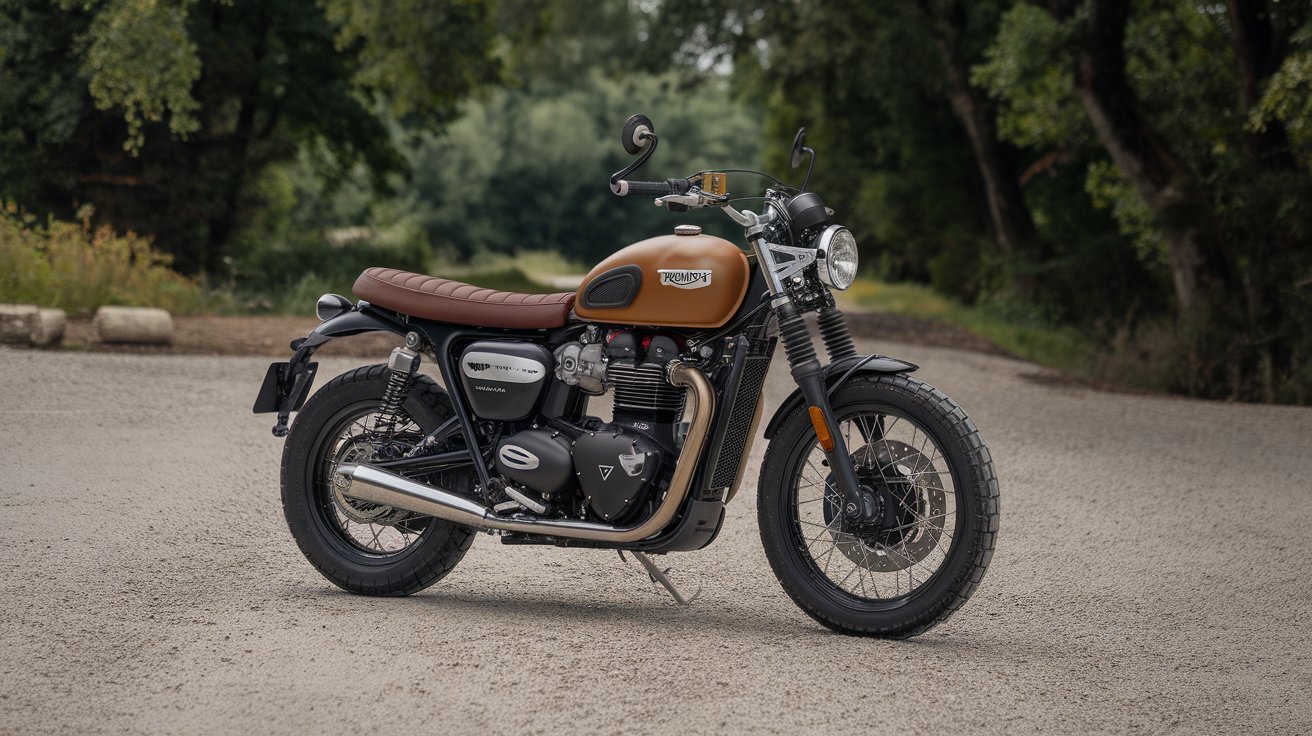
The Triumph Scrambler 400 X has become one of the most accessible ways to experience Triumph’s distinctive Modern Classic motorcycle character. Combining a compact single-cylinder engine with a commanding riding position, long-travel suspension, scrambler styling, and modern rider technology, the motorcycle is designed to handle city streets, highways, winding roads, and light off-road terrain.
For 2026, the Scrambler 400 X continues to occupy an important position in Triumph’s 400cc range. Triumph describes it as a lightweight and responsive motorcycle with authentic Scrambler DNA, while the company’s current U.S. information lists pricing from $6,195.
The result is a motorcycle that aims to provide approachable performance without sacrificing the distinctive appearance and premium finish associated with Triumph.
Triumph Scrambler 400 X 2026 Engine and Performance
At the heart of the Triumph Scrambler 400 X is a liquid-cooled, single-cylinder TR-Series engine with a displacement of 398.15 cc. The engine uses four valves and DOHC technology, along with Bosch electronic fuel injection and electronic throttle control. Triumph lists maximum power of 39.5 HP (40 PS) at 8,000 rpm and peak torque of 27.7 lb-ft at 6,500 rpm.
This engine is designed around usable, accessible performance rather than intimidating power. The single-cylinder configuration keeps the motorcycle relatively compact, while the responsive torque delivery makes it suitable for urban riding and open roads.
A six-speed gearbox allows the engine to work effectively across different riding situations. The motorcycle also uses a slip-and-assist clutch, which helps provide lighter clutch operation and greater control during gear changes.
The exhaust system contributes to the motorcycle’s character as well. Triumph uses a stainless-steel twin-skin header system and stainless-steel silencer, giving the Scrambler 400 X a distinctive appearance and soundtrack without relying on a large-displacement engine.
Scrambler 400 X Handling, Suspension, and Brakes
One of the strongest features of the Scrambler 400 X is its chassis. Triumph developed a dedicated Scrambler suspension setup using 43mm big-piston upside-down front forks and an adjustable rear monoshock. The company highlights approximately 5.9 inches of suspension travel, giving the motorcycle useful ability to absorb uneven surfaces.
This setup is particularly important because the Scrambler 400 X is intended to go beyond ordinary urban pavement. The longer suspension and upright riding position make it more comfortable on broken roads, gravel, and other light off-road surfaces.
Braking performance comes from a twin-piston radial front caliper, supported by Bosch ABS. The ABS system can be switched according to riding conditions, giving experienced riders more flexibility when moving onto loose surfaces. Triumph also includes switchable traction control, adding another layer of electronic assistance.
The motorcycle uses a 19-inch front wheel and 17-inch rear wheel, with lightweight cast-aluminum wheels and premium-brand tires. This combination helps provide the stability and confidence expected from a scrambler while maintaining responsive road manners.
2026 Scrambler 400 X Design and Riding Position
The visual identity of the Triumph Scrambler 400 X is one of its biggest attractions. It combines modern engineering with classic Scrambler design cues, including a sculpted fuel tank, upright proportions, high-level exhaust styling, protective components, and a commanding stance.
Triumph describes the motorcycle as having a wide handlebar, flat high-grip foot pegs, and a commanding riding position. These features are useful both on pavement and when standing on the foot pegs during light off-road riding.
The motorcycle has a seat height of approximately 32.87 inches, while its relatively slim waistline helps make the actual reach to the ground more manageable. Triumph lists a fully fueled weight of approximately 392.4 pounds, making the 400 X considerably easier to maneuver than many larger adventure and scrambler motorcycles.
The combination of manageable weight and upright ergonomics is particularly useful for newer riders. At the same time, experienced riders can appreciate the motorcycle’s agility when navigating narrow streets, corners, and rougher surfaces.
Technology and Safety Features
Although the Scrambler 400 X looks deliberately traditional, its equipment includes several modern technologies.
The motorcycle uses ride-by-wire throttle control, which provides precise electronic throttle response and allows the rider-assistance systems to work smoothly with the engine. Triumph also equips the motorcycle with switchable traction control and switchable ABS, giving riders greater control when road conditions change.
The instrument setup combines a classic-style speedometer with an LCD display. The digital portion provides important information such as gear position and other riding data while maintaining the visual character of a traditional motorcycle.
An anti-theft immobilizer is also standard, and the motorcycle includes a steering lock. These features add practical security without disrupting the classic appearance.
The technology package is therefore focused on useful rider assistance rather than overwhelming the rider with unnecessary complexity.
Scrambler 400 X for City Riding and Off-Road Use
The Triumph Scrambler 400 X is particularly versatile because its design does not force the rider to choose between urban transportation and recreational riding.
In the city, the relatively light weight, upright position, manageable dimensions, and responsive single-cylinder engine make the motorcycle well suited to traffic and everyday riding. Its wide handlebar provides leverage for low-speed maneuvering, while the suspension can handle imperfect urban roads.
Outside the city, the 19-inch front wheel, longer-travel suspension, protective equipment, and switchable rider aids provide additional confidence. Triumph specifically describes the motorcycle as having all-road capability, rather than positioning it as a dedicated extreme off-road machine.
That distinction is important. The Scrambler 400 X is excellent for gravel roads, rough tracks, dirt lanes, and light trails, but riders looking for aggressive enduro-style performance should consider a motorcycle specifically engineered for that purpose.
Triumph’s 2026 range also now includes the newer Scrambler 400 XC, which adds more adventure-focused equipment such as side-laced spoked wheels and other off-road-oriented features. The 400 X therefore remains the more straightforward choice for riders who want a balance between road use and occasional exploration.
Triumph Scrambler 400 X Price, Running Costs, and Ownership
Triumph currently lists the Scrambler 400 X from $6,195 in the United States. Pricing and equipment can vary by country, taxes, registration, destination charges, dealer fees, and optional accessories, so buyers should confirm the final local price before purchasing.
Fuel efficiency is another appealing aspect of the motorcycle. Triumph has previously listed fuel consumption of approximately 3.5 liters per 100 km, or 80.7 mpg, although real-world consumption varies with riding style, traffic, speed, passenger load, terrain, and conditions.
The manufacturer has also highlighted an extensive accessory catalog, allowing owners to personalize the motorcycle for touring, commuting, protection, styling, and other uses. Triumph’s current Scrambler 400 X information mentions more than 20 dedicated accessories.
For ownership, Triumph’s published information for the 400 platform has also emphasized a 10,000-mile service interval, while warranty terms can depend on the market. Local buyers should confirm the current warranty and maintenance schedule with an authorized Triumph dealer.
Is the Triumph Scrambler 400 X Worth Buying in 2026?
The Triumph Scrambler 400 X makes a strong case for riders who want a motorcycle that combines classic styling with modern usability. Its biggest advantages are its 398cc engine, manageable weight, upright ergonomics, long-travel suspension, 19-inch front wheel, modern electronics, and unmistakable Triumph design.
It is particularly attractive for riders who spend most of their time on pavement but want the freedom to explore gravel roads and light trails. The motorcycle is also approachable enough to serve as an entry point into Triumph’s Modern Classic range while still offering enough character to remain enjoyable for experienced riders.
Its limitations are equally important to understand. The 400 X is not a high-performance superbike, nor is it intended to replace a serious off-road enduro motorcycle. Its 39.5-horsepower output is focused on accessible real-world performance rather than outright speed.
For many riders, however, that balance is exactly what makes the motorcycle attractive.
Final Thoughts on the Triumph Scrambler 400 X 2026
The 2026 Triumph Scrambler 400 X delivers a convincing combination of British-inspired styling, modern engineering, approachable performance, and all-road versatility. Its 398cc TR-Series single-cylinder engine, six-speed transmission, long-travel suspension, 19-inch front wheel, switchable rider aids, and lightweight chassis give it a broad range of abilities.
It can serve as a daily commuter during the week, a comfortable road motorcycle on weekends, and a capable machine for light exploration when the pavement ends. That versatility is arguably its greatest strength.
For 2026, the arrival of the more adventure-focused Scrambler 400 XC gives buyers an additional option, but the Scrambler 400 X remains compelling for anyone seeking a balanced, stylish, lightweight Triumph with genuine all-road character.
With its accessible engine, premium finish, modern safety technology, and distinctive Scrambler personality, the Triumph Scrambler 400 X continues to be one of the most interesting choices in the small-to-middleweight modern-classic motorcycle category.
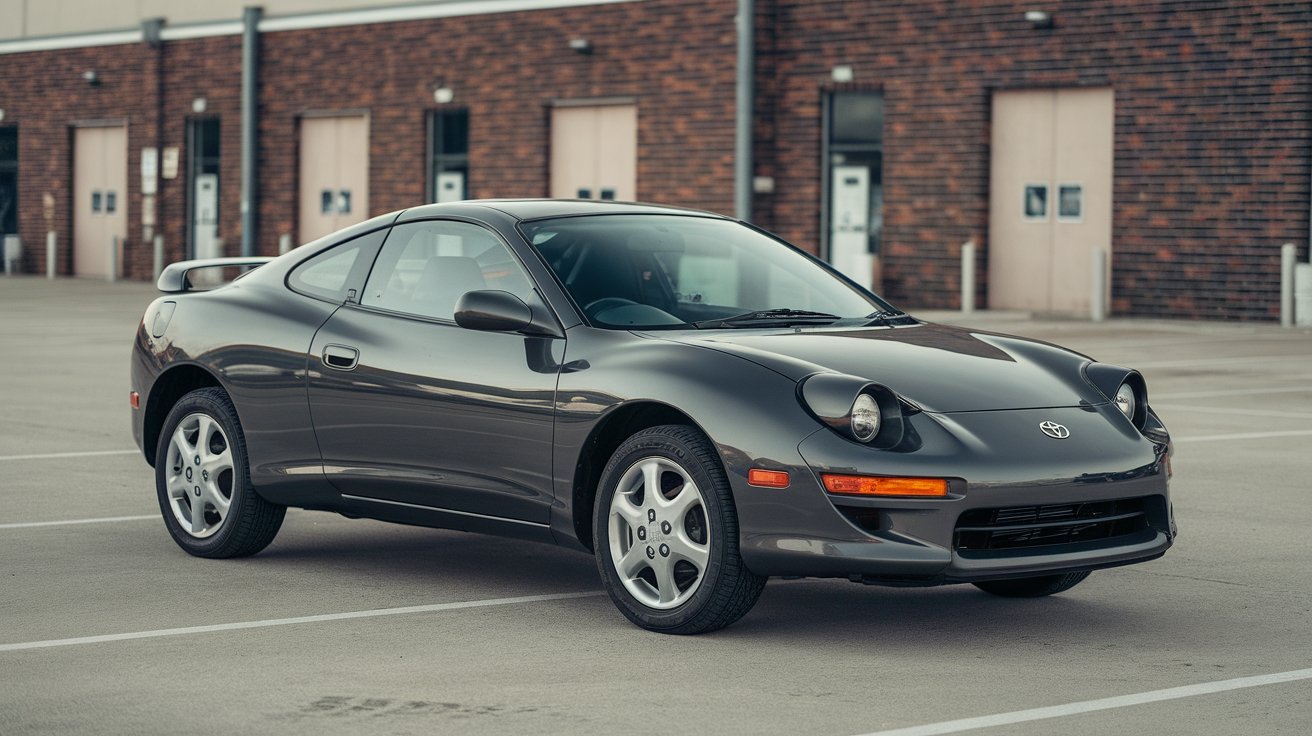
The 1998 Toyota Celica remains an interesting classic Japanese sports coupe for drivers who appreciate simple engineering, distinctive styling, and a lightweight front-wheel-drive layout. As part of the sixth-generation Celica, the 1998 model was available in several body and trim configurations depending on the market, including coupe, liftback, convertible, and GT versions.
In the United States, the Celica GT used a 2.2-liter four-cylinder engine producing about 130–135 horsepower and 145 lb-ft of torque, depending on the specification source and configuration. It was offered with a five-speed manual or four-speed automatic transmission.
More than two decades later, the 1998 Toyota Celica attracts enthusiasts looking for an affordable classic, a project car, or a fun everyday vehicle with unmistakable 1990s styling.
What Is the 1998 Toyota Celica?
The Toyota Celica 1998 belongs to the sixth generation, commonly identified by the T200 chassis designation. This generation was produced during the 1990s and represented Toyota’s approach to the compact sports-coupe market.
The Celica was not designed as a large or luxurious sports car. Instead, it combined a relatively compact body with a four-cylinder engine, front-wheel drive, independent suspension, and a driver-focused layout.
In the U.S. market, the GT was an important version, while other markets offered different engines and equipment. This is important when researching a 1998 Celica because specifications can vary substantially by country.
For example, European-market Celica GT models could use a 2.0-liter engine producing approximately 168 hp, while the U.S.-market GT used a 2.2-liter engine with substantially lower output.
This means buyers should always identify the market, engine, body style, and trim before comparing specifications.
1998 Toyota Celica Engine and Performance
The U.S.-market 1998 Toyota Celica GT used a naturally aspirated 2.2-liter inline-four gasoline engine. Edmunds lists the engine at 135 horsepower and 145 lb-ft of torque, while Cars.com lists 130 horsepower for its corresponding 1998 GT specification.
The engine was paired with a five-speed manual transmission, while a four-speed automatic was also available. The car used front-wheel drive rather than rear-wheel drive or all-wheel drive.
The Celica’s performance was therefore focused more on accessible road handling than extreme straight-line acceleration. Its relatively compact dimensions and sports-coupe shape helped give it a different character from larger family cars of the same period.
European versions could be considerably more powerful. A European-market 1998 Celica GT with a 2.0-liter engine is listed at approximately 168 horsepower and 137 lb-ft of torque, demonstrating why regional specifications should not be mixed together.
Design, Dimensions, and Interior
The 1998 Celica has the unmistakable styling of a 1990s Japanese sports coupe. Its low roof, long hood, compact proportions, and sharply shaped body gave it a sporty appearance without requiring a large engine.
For a U.S.-market GT coupe, Cars.com lists dimensions of approximately 177 inches in length, 69 inches in width, and 51 inches in height, with a 100-inch wheelbase.
Depending on body style, dimensions and cargo capacity changed. Liftback versions offered more practical cargo space than the conventional coupe. Edmunds lists approximately 16.2 cubic feet of cargo capacity for one 1998 GT hatchback configuration, compared with about 10.6 cubic feet for the coupe.
The cabin was designed primarily around the driver and front passenger. Rear seats were present, but space was limited compared with a modern family vehicle. This is typical of compact sports coupes from the era.
The 1998 Celica could also be equipped with features such as air conditioning, power windows, power door locks, cruise control, rear wiper, rear spoiler, and upgraded audio equipment, depending on trim and package.
Suspension, Handling, and Driving Character
One of the most interesting aspects of the 1998 Toyota Celica is its chassis. The car used independent front suspension and an independent rear setup, helping provide controlled handling on paved roads. Cars.com identifies MacPherson-strut suspension components and a dual-link rear arrangement for the GT specification.
The front and rear brakes used discs on the GT specification listed by Cars.com, with power-assisted braking.
The Celica’s relatively compact body and front-wheel-drive layout make it predictable for everyday driving. It is not a modern performance car, but its steering, seating position, low profile, and suspension give it a distinctly more sporting feel than an ordinary compact sedan.
Today, the driving experience also depends heavily on age and maintenance. A well-maintained Celica can feel tight and enjoyable, while a neglected example may have worn suspension components, tired brakes, deteriorated rubber parts, or steering issues.
Fuel Economy, Reliability, and Maintenance
Fuel economy was another practical strength of the Celica. Edmunds lists approximately 19 mpg city and 26 mpg highway for the 1998 GT in one specification, while Cars.com lists figures around 22 city and 28 highway for its corresponding configuration.
Differences can result from transmission, body style, testing methodology, and source specifications, so buyers should avoid treating one number as universal for every 1998 Celica.
Because these cars are now decades old, maintenance history is more important than the original factory reputation. Potential buyers should inspect the engine, transmission, cooling system, suspension, brakes, steering, electrical components, tires, and body structure.
Rust should receive particular attention on cars that have spent years in wet or salty climates. A clean body and documented maintenance can significantly affect the ownership experience.
For a used 1998 Celica, checking for oil leaks, cooling-system problems, worn suspension bushings, transmission issues, damaged interiors, and previous accident repairs is sensible before purchasing.
1998 Toyota Celica Price and Collectibility
When new, the U.S.-market 1998 Celica GT had a starting MSRP of around $20,111 for the two-door GT manual, according to Cars.com. Other configurations cost more, including automatic, liftback, and convertible versions.
Today, there is no single price for a 1998 Toyota Celica. Value depends heavily on condition, mileage, originality, trim, transmission, location, service history, modifications, and body style.
A high-mileage project car may cost relatively little, while a clean, original, low-mileage example can command considerably more from an enthusiast.
Modified cars can be especially difficult to value. Some upgrades may appeal to enthusiasts, but extensive modifications can also make a vehicle less attractive to buyers seeking an original classic.
For this reason, anyone shopping for a 1998 Toyota Celica should compare individual vehicle condition rather than relying only on an average market price.
What to Check Before Buying a 1998 Toyota Celica
A thorough inspection is important because even a reliable old car can develop problems simply because of its age.
Start with the body and chassis. Look for rust, accident repairs, mismatched panels, damaged underbody components, and signs of poor repainting.
Next, inspect the engine for leaks and listen for unusual noises during both cold and warm operation. Check the cooling system, belts, hoses, battery, and electrical equipment.
The manual or automatic transmission should shift smoothly. During a road test, pay attention to clutch engagement, steering response, braking, suspension noises, and wheel alignment.
The interior should also be checked carefully. Original trim pieces can be difficult to replace on an older vehicle, so a complete interior may be more valuable to a collector than one with extensive cosmetic modifications.
Finally, obtain the VIN and vehicle history and verify that the paperwork matches the car.
Frequently Asked Questions About the 1998 Toyota Celica
How much horsepower does a 1998 Toyota Celica have?
The U.S.-market GT is commonly listed around 130–135 horsepower, depending on the specification source. It used a 2.2-liter four-cylinder engine.
Is the 1998 Celica front-wheel drive?
Yes. U.S.-market versions such as the GT were front-wheel drive.
What engine is in the 1998 Toyota Celica GT?
The U.S.-market GT used a 2.2-liter four-cylinder gasoline engine producing about 145 lb-ft of torque.
Was the 1998 Celica available with an automatic transmission?
Yes. A four-speed automatic was available alongside the five-speed manual on U.S.-market versions.
Is the 1998 Toyota Celica a good project car?
It can be an interesting project or enthusiast car, particularly when the starting vehicle has a solid body, complete interior, and good mechanical foundation. Condition and parts availability should be evaluated before buying.
How much did the 1998 Celica cost when new?
The 1998 U.S. Celica GT had a listed starting MSRP of approximately $20,111 for the two-door GT manual, with other versions costing more.
Conclusion
The 1998 Toyota Celica represents an important period in Toyota’s sports-coupe history. With its distinctive 1990s styling, compact dimensions, front-wheel-drive layout, four-cylinder engine, and independent suspension, it offered a practical interpretation of the affordable Japanese sports car.
U.S.-market GT models used a 2.2-liter four-cylinder engine, with roughly 130–135 horsepower and 145 lb-ft of torque depending on the published specification. Buyers could choose between manual and automatic transmissions, while different body styles provided different levels of practicality.
Today, the biggest factor when considering a 1998 Toyota Celica is not simply its original specifications. Condition, maintenance history, originality, rust, mileage, and previous modifications matter greatly because every example is now a decades-old automobile.
For enthusiasts searching for a classic Japanese coupe with recognizable styling and straightforward mechanical character, the 1998 Celica remains a model worth researching carefully.
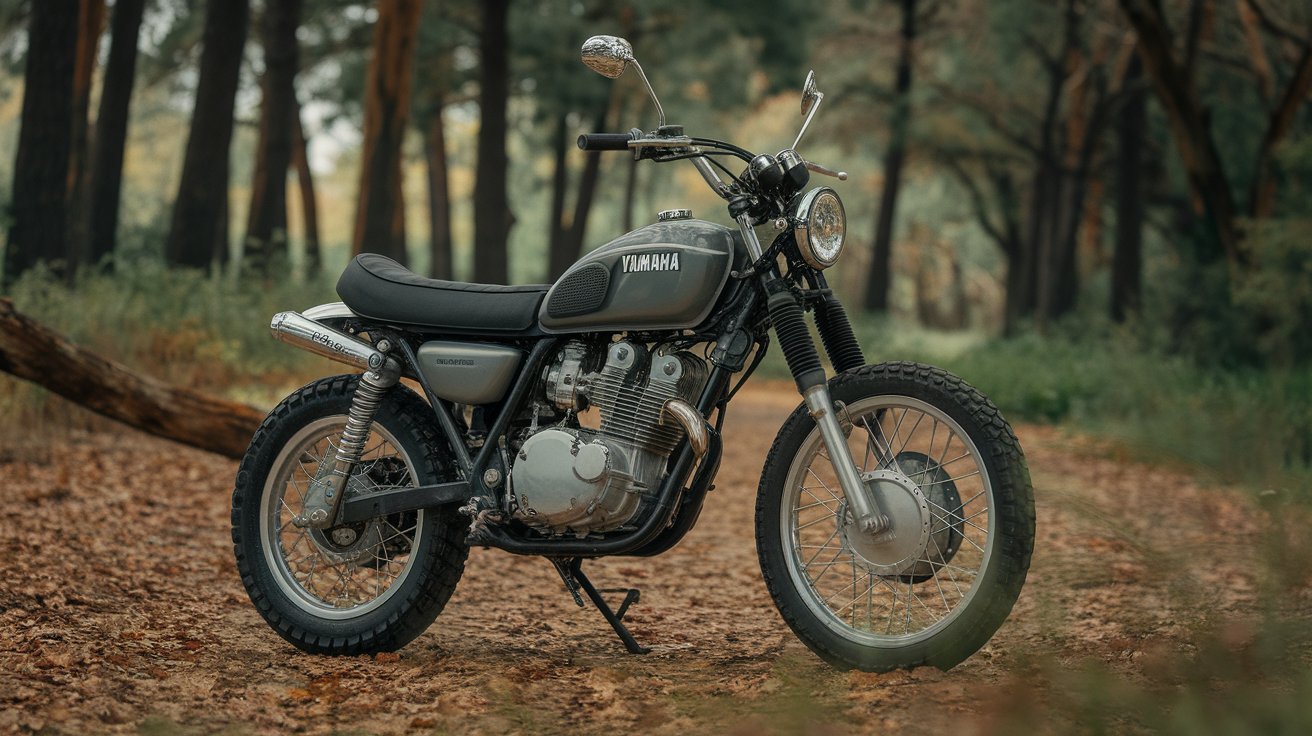
The TW200 Yamaha is one of the most recognizable small dual-sport motorcycles available today. Its unusual combination of fat tires, a low seat, simple 196cc engine, electric start, and street-and-trail capability has helped it maintain a loyal following among beginners, commuters, campers, and recreational riders.
For 2026, Yamaha continues the TW200 with the same practical formula. The motorcycle has a 196cc air-cooled four-stroke single-cylinder engine, five-speed transmission, long-travel suspension, and extra-wide tires. Yamaha lists the U.S. starting MSRP at $4,999, excluding the $400 destination charge and other applicable costs.
What Is the TW200 Yamaha?
The Yamaha TW200 is a street-legal dual-purpose motorcycle, meaning it is designed for both paved roads and suitable off-road surfaces. It is not built as a high-performance motocross or racing machine. Instead, its design emphasizes easy handling, low-speed control, comfort, traction, and versatility.
The TW200 has become particularly recognizable because of its oversized tires. The 2026 model uses a 130/80-18 front tire and 180/80-14 rear tire. These wide tires give the motorcycle its distinctive appearance while helping provide traction and stability on dirt, gravel, and other uneven surfaces.
Another major advantage is its 31.1-inch seat height. This is relatively low compared with many dual-sport motorcycles, making the TW200 easier for many riders to mount, stop, and maneuver.
Yamaha describes it as a do-it-all dual sport, combining a low seat and fat tires with a smooth ride.
Yamaha TW200 Engine and Performance
The 2026 TW200 uses a 196cc air-cooled SOHC four-stroke engine with two valves. It has a 67.0mm bore, 55.7mm stroke, and 9.5:1 compression ratio. Fuel delivery is handled by a Mikuni 28mm carburetor, while the ignition system uses CDI.
The engine is connected to a five-speed constant-mesh transmission with a manual multiplate wet clutch. Final drive is through a chain.
Yamaha emphasizes the engine’s low- and mid-range power, which is useful for slower trail riding, back roads, and everyday transportation. The TW200 is not designed around maximum horsepower or high-speed acceleration. Instead, the engine provides predictable power that is relatively easy for riders to manage.
An internal engine counterbalancer helps reduce vibration, while an automatic cam-chain tensioner is designed to reduce maintenance requirements. The motorcycle also has push-button electric starting, eliminating the need to rely on a kickstarter.
For riders who want a motorcycle that feels uncomplicated and approachable, this traditional mechanical layout remains an important part of the TW200’s character.
Fat Tires, Suspension, and Off-Road Capability
The biggest visual feature of the TW200 Yamaha is its fat-tire setup. The wide rubber provides a broad contact patch and contributes to the motorcycle’s stability and distinctive handling.
The front suspension is a telescopic fork with 6.3 inches of travel, while the rear uses a single shock with 5.9 inches of travel. This allows the motorcycle to absorb bumps and uneven surfaces more comfortably than a basic street motorcycle.
Ground clearance is 10.4 inches, which is useful when traveling over rocks, ruts, and other obstacles on appropriate trails. The wheelbase measures 52.2 inches, while the rake is 25.8 degrees.
The TW200 is therefore well suited to dirt roads, gravel, forest roads, camping areas, and recreational trails. However, riders should understand that it is a dual-purpose motorcycle rather than a dedicated competition enduro bike. Its strengths are accessibility and versatility rather than aggressive off-road speed.
Yamaha TW200 Dimensions, Comfort, and Equipment
The 2026 TW200 measures 82.3 inches long, 32.3 inches wide, and 44.1 inches tall. Its wet weight is 278 pounds, including standard equipment, fluids, and a full fuel tank.
The relatively low seat and compact dimensions can make the motorcycle comfortable for riders who do not want the taller stance associated with many modern dual-sport machines.
Yamaha equips the TW200 with a long, motocross-style seat designed to support rider movement while maintaining a balanced riding position. Passenger foot pegs and the spacious seat also make two-up riding possible.
Standard equipment includes an electric starter, speedometer, odometer, resettable trip meter, indicator lights, turn signals, and a halogen headlight. The motorcycle also uses protective fork shrouds and a wide front fender to help deal with dirt, mud, and debris.
These features make the TW200 practical for everyday transportation as well as recreational riding.
Fuel Economy, Range, and Maintenance
Fuel economy is another area where the TW200 Yamaha can appeal to practical riders. Yamaha estimates 78 mpg for the 2026 model. The fuel tank holds 1.8 gallons, although actual range varies according to speed, terrain, rider weight, weather, and riding style.
The motorcycle’s air-cooled engine avoids the complexity of a liquid-cooling system, while the carbureted fuel system reflects the TW200’s traditional design. Riders should still follow the manufacturer’s maintenance schedule and regularly inspect the engine oil, chain, brakes, tires, cables, battery, and air filter.
Regular chain cleaning and lubrication are especially important because the chain is exposed to mud, dust, and water during off-road use.
The TW200 has a one-year limited factory warranty in the U.S., according to Yamaha’s published specifications.
2026 TW200 Yamaha Price and Recall Information
For the U.S. market, the 2026 Yamaha TW200 starts at $4,999 MSRP. Yamaha lists a separate $400 destination charge, while taxes, title, registration, dealer preparation, and other charges may increase the final purchase price.
Pricing differs internationally. For example, Yamaha Motor Canada lists the 2026 TW200 at C$7,099 including $900 in freight, PDI, and fees.
There is also an important 2026 TW200 recall that buyers and owners should know about. NHTSA recall 26V197 covers 962 motorcycles produced between June 2 and July 31, 2025. According to the official recall report, an issue with the front-wheel meter gear assembly can cause the speedometer to become inaccurate or stop working.
Owners should check their individual motorcycle’s VIN for open recalls and make sure any required recall repair has been completed. NHTSA recommends using its recall lookup system to check a specific vehicle.
This does not change the basic design of the TW200, but it is an important consideration when buying a new or used 2026 model.
Who Is the Yamaha TW200 Best For?
The Yamaha TW200 can suit several different types of riders. Beginners may appreciate the low seat, manageable weight, predictable engine, and electric starter. Experienced riders may enjoy its simplicity and unusual character.
It can also work well for camping, commuting, exploring rural roads, light trail riding, and recreational off-road travel.
However, riders who regularly need high-speed highway performance or competition-level off-road capability may prefer a larger or more specialized motorcycle. The TW200’s appeal comes from being approachable and versatile rather than exceptionally fast.
Its wide tires, low seat, and compact dimensions also make it particularly interesting for riders who want a motorcycle that can move comfortably between pavement and dirt without becoming complicated.
Frequently Asked Questions About TW200 Yamaha
What engine does the Yamaha TW200 have?
The 2026 TW200 uses a 196cc air-cooled SOHC four-stroke single-cylinder engine with a five-speed transmission.
How tall is the Yamaha TW200 seat?
The seat height is 31.1 inches, making it relatively low for a dual-sport motorcycle.
How much does the 2026 TW200 weigh?
Its listed wet weight is 278 pounds.
How much does the 2026 Yamaha TW200 cost?
The U.S. starting MSRP is $4,999, before the destination charge, taxes, registration, and dealer-related costs.
Is the TW200 good for beginners?
Its low seat height, manageable size, predictable power delivery, and electric start make it an accessible option for many new riders. New riders should still receive proper motorcycle training and wear appropriate protective equipment.
Is the TW200 good for off-road riding?
Yes. Its fat tires, 10.4-inch ground clearance, long-travel suspension, and low- and mid-range engine characteristics make it suitable for recreational off-road riding and dirt-road exploration.
Conclusion
The TW200 Yamaha remains a distinctive motorcycle because it follows a simple and proven idea: create a lightweight, approachable dual-sport with fat tires, a low seat, electric start, useful suspension, and a reliable-feeling 196cc engine.
For 2026, Yamaha continues that formula with a 278-pound wet weight, 31.1-inch seat height, 78-mpg estimated fuel economy, 10.4 inches of ground clearance, and a $4,999 U.S. starting MSRP.
Whether the goal is commuting, camping, exploring dirt roads, or learning to ride off pavement, the TW200 Yamaha offers a combination of accessibility and versatility that helps explain its enduring popularity. Buyers considering a 2026 model should also verify the VIN for any outstanding recall, particularly the documented speedometer-related recall affecting certain motorcycles.

Jaguar Coupe: A Complete Guide to the F-TYPE, Performance, Design, and Legacy in 2026

1998 Toyota Celica: Complete Guide to Specs, Performance, Features, and Value

TW200 Yamaha: Complete Guide to the 2026 Yamaha TW200

MyGreenBucks Net Jones: Latest News, Financial Insights, Features, and Everything You Need to Know

Who Is Martie Allen? Everything About Kristy McNichol’s Partner

Pyntekvister: A Complete Guide to Decorative Branches, Creative Home Décor Ideas, and Natural Interior Styling
 Business2 months ago
MyGreenBucks Net Jones: Latest News, Financial Insights, Features, and Everything You Need to Know
- Celebrity2 months ago
Who Is Martie Allen? Everything About Kristy McNichol’s Partner
- Home Improvement2 months ago
Pyntekvister: A Complete Guide to Decorative Branches, Creative Home Décor Ideas, and Natural Interior Styling
- Celebrity2 months ago
Jocelyne Desrouleaux: A Comprehensive Biography, Career, Legacy, and Lasting Influence
- Business2 months ago
TTweakFlight Discount Code from TravelTweaks: Complete Guide to Saving More on Flights and Travel Deals
- Celebrity2 months ago
Who Is David Sanov? All About Alison Sweeney’s Husband
- Blog2 months ago
Forest or Forrest? Understanding the Difference, Correct Spelling, Meaning, and Usage (2026 Guide)
- Celebrity2 months ago
Elizabeth Ejogo: Biography, Career, Family, Achievements, and Lasting Legacy